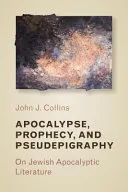
Apocalypse, Prophecy, and Pseudepigraphy
 72
72

Apocalypse, Prophecy, and Pseudepigraphy
John J. Collins’s "Apocalypse, Prophecy, and Pseudepigraphy" offers a dense, yet rewarding, compilation of his essays. The strength lies in its authoritative synthesis of decades of scholarship on Jewish apocalypticism. Collins’s meticulous examination of texts, particularly his discussions around the relationship between canonical and non-canonical literature, is exemplary. A notable limitation, however, is the academic density, which may present a barrier for readers less familiar with the intricacies of Second Temple Jewish literature. The section exploring the concept of "apocalyptic theology" offers particularly illuminating perspectives, tracing how eschatological hope and divine revelation were articulated. The collection solidifies Collins’s position as a pivotal voice in the field, providing essential resources for understanding the roots of Western eschatological thought. It is an indispensable reference for specialists and dedicated students alike.
📝 Description
72
John Joseph Collins's 2015 collection gathers nineteen essays on Jewish apocalyptic literature.
This volume collects nineteen essays by John Joseph Collins, a recognized scholar in the field of Jewish apocalyptic tradition. First published in 2015, the book compiles his research from the fifteen years prior, including some material that had not been previously available. The essays are organized into five thematic sections focusing on apocalypse, prophecy, and pseudepigraphy. This collection builds upon and connects with Collins's earlier significant work, "The Apocalyptic Imagination."
The book is aimed at scholars, graduate students, and dedicated followers of ancient Judaism, early Christian writings, and the history of religious thought. It will interest those who study the evolution of apocalyptic literature, the nature of prophecy, and the practice of using pseudonymous authors in antiquity. Anyone looking for a thorough, academic grasp of these complex subjects will find this collection especially useful.
Collins's work fits into the ongoing academic discussion about the origins and development of apocalyptic literature. His essays offer important insights into the social and religious environment that produced texts from the Second Temple period and later. These pieces represent a seasoned engagement with these traditions, drawing on decades of research and debate within biblical studies and religious history.
This collection engages directly with the study of apocalyptic texts, a genre often considered esoteric due to its visionary content and symbolic language. These writings, prevalent in Second Temple Judaism and early Christianity, frequently claim divine revelation and offer complex cosmological and eschatological narratives. Collins's scholarly approach unpacks the historical, social, and literary contexts of these phenomena, making the often obscure traditions accessible to academic study.
💡 Why Read This Book?
• Gain a nuanced understanding of the evolution of apocalyptic thought from its roots in Hebrew prophecy, as detailed in sections discussing the transition from prophetic pronouncements to visionary experiences. • Analyze the historical and social factors contributing to the rise of pseudepigraphy in ancient Jewish literature, a concept explored extensively through textual examples from the Second Temple period. • Grasp the distinct characteristics of apocalyptic literature, differentiating it from other genres through Collins's comparative analysis of structural and thematic elements in texts from antiquity.
⭐ Reader Reviews
Honest opinions from readers who have explored this book.
❓ Frequently Asked Questions
What is the primary focus of John J. Collins's work in "Apocalypse, Prophecy, and Pseudepigraphy"?
The book primarily focuses on the Jewish apocalyptic tradition, exploring its origins, development, and key literary features. It examines concepts like prophecy, apocalyptic visions, and the practice of pseudepigraphy within ancient Jewish literature.
When was "Apocalypse, Prophecy, and Pseudepigraphy" first published?
The collection "Apocalypse, Prophecy, and Pseudepigraphy" was first published in 2015.
What kind of essays are included in this volume?
The volume includes nineteen essays by John J. Collins, many of which have been published previously over the last fifteen years. It also features some contributions that were previously unpublished.
How does this book relate to "The Apocalyptic Imagination"?
This volume complements and enriches Collins's well-known book "The Apocalyptic Imagination." It expands upon the themes and scholarship presented in that earlier work, offering further depth and new material.
Who is John J. Collins?
John J. Collins is a highly regarded expert and prolific scholar specializing in the Jewish apocalyptic tradition and related ancient literature. His extensive writings have significantly shaped the academic understanding of these subjects.
What are the main thematic sections of the book?
The essays in "Apocalypse, Prophecy, and Pseudepigraphy" are organized into five thematic sections: Apocalypse, Prophecy, and Pseudepigraphy.
🔮 Key Themes & Symbolism
The Nature of Apocalyptic Literature
This theme investigates the defining characteristics of apocalyptic texts, moving beyond simplistic eschatological predictions. Collins analyzes the literary structures, visionary experiences, and symbolic language that distinguish apocalyptic writing. The essays explore how these texts functioned within their historical contexts, offering explanations for divine judgment, cosmic conflict, and future salvation, often drawing on comparative analysis with other ancient Near Eastern and Hellenistic traditions.
Prophecy and its Transformation
The volume examines the relationship between classical prophecy and the later development of apocalyptic literature. It traces how prophetic traditions evolved, incorporating new literary forms and theological concerns. Collins scrutinizes the ways in which authors adapted existing prophetic motifs and figures, often through pseudepigraphy, to address contemporary issues and convey authoritative messages about divine will and future events.
Pseudepigraphy as a Literary and Religious Strategy
A significant focus is placed on the phenomenon of pseudepigraphy, where texts are attributed to ancient, revered figures. Collins explores the motivations behind this practice, including the desire for authority, the preservation of tradition, and the communication of specific theological messages. The essays analyze how pseudonymous authorship shaped the reception and interpretation of these writings throughout antiquity and beyond.
The Historical and Social Milieu
The collection consistently links literary analysis to the historical and social conditions of ancient Judaism, particularly during the Second Temple period. Collins investigates how political turmoil, religious crises, and social anxieties influenced the emergence and dissemination of apocalyptic and prophetic texts. Understanding this context is presented as crucial for interpreting the meaning and function of these writings.
💬 Memorable Quotes
Direct passages from the work, attributed to the author.
“The distinction between prophecy and apocalypse is not always sharp.”
— This statement highlights the fluid boundaries and overlapping characteristics between the prophetic tradition and the later development of apocalyptic literature, suggesting a continuum rather than a strict dichotomy.
“Pseudepigraphy was a common literary convention in antiquity.”
— This observation underscores that attributing works to famous historical figures was a recognized practice, often employed to lend authority or tradition to new writings, rather than necessarily an act of deception.
“Apocalyptic texts often provide a dualistic worldview.”
— This concept points to the frequent thematic element in apocalyptic literature where the world is understood in terms of opposing forces, such as good versus evil, light versus darkness, or divine versus demonic powers.
“The Book of Daniel serves as a crucial example in understanding early apocalyptic thought.”
— This emphasizes the foundational importance of the Book of Daniel for scholars studying the origins and development of apocalyptic literature, serving as a primary case study for its key features and historical context.
“Visions are central to the apocalyptic mode of revelation.”
— This interpretation underscores that the experience of divine truth and future events in apocalyptic literature is predominantly conveyed through symbolic visions and dream-like sequences experienced by the seer.
🌙 Esoteric Significance
Tradition
While rooted in academic biblical studies, Collins's work is foundational for understanding the Jewish roots of many Western esoteric traditions, including Gnosticism and Kabbalah, which heavily draw on apocalyptic symbolism and visionary experiences. His rigorous analysis of texts like the Book of Enoch provides a scholarly lens through which esoteric practitioners can engage with foundational source materials, distinguishing historical development from later mystical interpretations.
Symbolism
Key symbols explored include the "Son of Man" figure, representing divine authority and future vindication, and the cosmic "kingdom" which signifies a divinely ordained order replacing earthly corruptions. The motif of "secrecy" and "revelation" also features prominently, indicating that true understanding of divine plans is granted to a select few, often through angelic mediation or visionary encounters.
Modern Relevance
Contemporary esoteric thinkers and groups, particularly those interested in the historical underpinnings of messianic and eschatological movements, find Collins's work indispensable. His scholarship informs modern interpretations of ancient prophecies and provides a critical framework for understanding the development of ideas concerning divine intervention, spiritual warfare, and the ultimate transformation of reality that continue to resonate in various spiritual and occult circles.
👥 Who Should Read This Book
• Scholars and graduate students of Ancient Judaism and Early Christianity seeking authoritative analyses of apocalyptic literature and its historical context. • Comparative Religion researchers interested in the development of eschatological thought and its influence across different ancient traditions. • Serious lay readers of religious history and esoteric studies wanting to engage with foundational texts and scholarly interpretations of prophecy and visionary literature.
📜 Historical Context
Published in 2015, "Apocalypse, Prophecy, and Pseudepigraphy" emerges from a rich tradition of scholarship on Jewish apocalypticism, building upon the foundational work of figures like R.H. Charles in the early 20th century. Collins engages with the intellectual currents of Second Temple Judaism and early rabbinic literature, demonstrating how these texts responded to periods of crisis and foreign domination, such as the Seleucid period. His work stands in dialogue with contemporary scholars like Annette Yoshiko Reed and Loren Stuckenbruck, who also explore the diverse expressions of eschatological thought. The reception of apocalyptic literature has historically been complex, with some texts integrated into canonical scripture (like Daniel) while others remained outside, yet profoundly influenced later religious thought across Judaism, Christianity, and Islam. This collection reflects a mature phase of academic inquiry into these foundational texts.
📔 Journal Prompts
The transformation of prophecy into apocalyptic visions.
The function of pseudepigraphy in ancient Jewish literature.
The dualistic worldview present in apocalyptic texts.
The role of symbolic language in conveying divine revelation.
The historical pressures that shaped apocalyptic literature.
🗂️ Glossary
Apocalypse
A genre of revelatory literature, typically concerning eschatology (the end times), often featuring symbolic language, visionary experiences, and divine judgment or intervention.
Pseudepigraphy
The practice of attributing authorship of a literary work to a figure other than the actual author, often a revered historical or biblical personage, to lend authority.
Second Temple Period
The historical era in Jewish history from the rebuilding of the Second Temple in Jerusalem (c. 516 BCE) to its destruction by the Romans (70 CE).
Eschatology
The branch of theology concerned with the final events of history, the ultimate destiny of humanity, and the end of the world.
Visions
In the context of apocalyptic literature, these are symbolic or allegorical dream-like experiences through which divine knowledge or future events are revealed to a seer.
Son of Man
A figure appearing in the Book of Daniel and later apocalyptic literature, often interpreted as a divine or divinely appointed agent, sometimes messianic, who plays a key role in eschatological events.
Dualism
A philosophical or theological concept that views the world or existence as composed of two fundamental, often opposing, principles or powers (e.g., good vs. evil, spirit vs. matter).