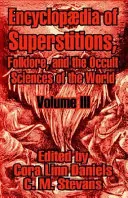
Antrax

 81
81

Antrax
Terry Brooks' Antrax, first appearing in 2001, offers a fantasy narrative that functions on multiple levels. While its surface narrative concerns a quest and conflict, the underlying exploration of corrupting power and its manifestations is where the work finds its footing. The depiction of the titular "antrax" as a tangible, almost elemental force of decay is a compelling conceit, serving as a potent metaphor for societal rot. However, the pacing occasionally falters, particularly in the mid-section, where exposition sometimes overshadows character action. A passage detailing the protagonist's confrontation with the whispers of the antrax, highlighting its insidious mental influence, stands out as particularly effective in illustrating its insidious nature. Despite minor structural issues, the book delivers a solid fantasy experience with thematic depth. It's a competent addition to the genre, though not Brooks' most groundbreaking work.
📝 Description
81
Terry Brooks's 2001 novel Antrax weaves a fantasy narrative around destructive power and manipulated natural forces.
Antrax follows a protagonist through a world filled with peril and hidden knowledge. The story escalates through conflicts, driven by the protagonist's quest and the actions of adversaries. Its structure mirrors the hero's journey, set within a detailed world with unique cultures.
This novel appeals to readers who value detailed world-building and character arcs in fantasy. It is suited for those interested in how power dynamics manifest through supernatural elements. The book offers material for readers who enjoy personal stakes with wide-reaching societal consequences.
Readers seeking straightforward plots and clear moral lines may find Antrax's complexities a challenge. However, those drawn to moral ambiguity and darker thematic explorations will likely find the narrative engaging. The book is designed for those who appreciate depth in fantasy literature.
Published in 2001, Antrax arrived during a period of renewed interest in epic fantasy. Building on traditions established by authors like J.R.R. Tolkien, the genre saw a rise in works that incorporated more complex political and psychological elements. The early 2000s continued this trend, with many fantasy novels examining themes of destiny, free will, and the fallout from unchecked ambition. Antrax aligns with this literary movement, aiming to construct detailed mythologies and engage readers on a thematic level beyond simple adventure.
💡 Why Read This Book?
• Gain insight into the metaphorical representation of corruption and decay through the concept of "antrax," understanding how this element shapes character motivations and world events. • Explore the narrative arc of a protagonist forced to confront powerful, destructive forces, offering lessons in resilience and the personal cost of opposing systemic imbalance. • Appreciate the intricate world-building characteristic of Terry Brooks' style, examining how the invented lore and societal structures in Antrax support its thematic explorations.
⭐ Reader Reviews
Honest opinions from readers who have explored this book.
❓ Frequently Asked Questions
What is the primary concept of 'antrax' in Terry Brooks' novel?
The 'antrax' in the novel functions as a central, often destructive, force or element. It represents a primal energy or corruption that characters must confront, serving as a potent metaphor for decay and its pervasive influence.
When was Antrax first published and who is the author?
Antrax was first published in 2001 by author Terry Brooks, a prolific writer known for his contributions to the epic fantasy genre.
Does Antrax follow a traditional hero's journey structure?
Yes, the narrative generally employs a classic hero's journey arc. The protagonist undertakes a quest, faces challenges, and confronts antagonistic forces, aligning with established archetypes within the fantasy genre.
What kind of themes does Antrax explore beyond its fantasy plot?
Beyond the adventure, Antrax delves into themes of power dynamics, corruption, the manipulation of natural or supernatural forces, and the consequences of unchecked ambition, often using the titular antrax as a symbolic representation.
Who would particularly enjoy reading Antrax?
Readers who appreciate detailed world-building, character development within a fantasy setting, and narratives that explore the metaphorical aspects of power and corruption will likely find Antrax engaging.
Is Antrax part of a larger series by Terry Brooks?
Antrax is a standalone novel and not part of a larger series, offering a self-contained story within Terry Brooks' extensive bibliography.
🔮 Key Themes & Symbolism
The Corrupting Nature of Power
Antrax meticulously examines how unchecked power, whether political or supernatural, inevitably leads to corruption. The narrative presents various factions and individuals seeking to wield the titular "antrax" force, demonstrating how their ambitions warp their judgment and actions. This theme is illustrated through characters who start with noble intentions but are gradually consumed by their pursuit of control or influence, highlighting the constant internal struggle against moral compromise when power is at stake. The book suggests that the very desire for such potent forces invites a descent into darkness.
Confronting Destructive Forces
The "antrax" serves as a central symbol for destructive forces, both external and internal. The protagonist's journey is defined by their confrontation with this pervasive element, which manifests as decay, malevolence, or spiritual blight. This theme is explored through trials that test the protagonist's resolve and moral compass. The narrative emphasizes that facing such forces requires not only strength but also a deep understanding of their nature and the ability to resist their insidious influence, often requiring personal sacrifice to contain or overcome them.
World-Building and Lore
Terry Brooks crafts an immersive world with its own unique history, cultures, and mystical elements. The concept of "antrax" is deeply integrated into the fabric of this world, influencing its geography, inhabitants, and societal structures. The lore is developed through the protagonist's discoveries and interactions, revealing the ancient origins and pervasive impact of the antrax. This detailed construction provides a rich backdrop for the thematic explorations, making the abstract concepts of power and corruption feel tangible and deeply rooted within the narrative's setting.
Protagonist's Moral Crucible
Fundamentally, Antrax is the story of a protagonist undergoing a profound moral crucible. Faced with the allure of power and the constant threat of the antrax, the character must make difficult choices that define their integrity. The narrative tracks their evolution as they learn to navigate treacherous social landscapes and confront their own inner demons. This focus on the protagonist's personal struggle makes the larger thematic concerns of corruption and destruction more resonant, as their fate is directly tied to their ability to maintain their ethical core under extreme pressure.
💬 Memorable Quotes
Direct passages from the work, attributed to the author.
“To rule is to be willing to sacrifice everything, even that which you hold most dear.”
— This interpretation points to the heavy burden of leadership depicted in the book. It underscores that the pursuit or maintenance of power often requires immense personal sacrifice, pushing characters to their absolute limits and testing their deepest values.
“The path of least resistance often leads to the greatest ruin.”
— This sentiment reflects the challenges faced by the protagonist and other characters. It suggests that avoiding difficult choices or confrontations, while seemingly easier, ultimately leads to more devastating consequences, reinforcing the theme of active engagement against destructive forces.
“Even in the deepest shadow, a flicker of defiance can ignite.”
— This interpretation emphasizes the theme of hope and resilience within the narrative. It suggests that even when faced with overwhelming darkness and corruption, the spirit of resistance and the potential for positive change can persist and even flourish.
💡 Key Ideas
Editorial paraphrase of the work's core concepts — not direct quotes.
The antrax whispers promises of power, but its price is always your soul.
This paraphrased concept highlights the central theme of the antrax as a corrupting force. It suggests that any perceived benefit gained from this power comes at a steep moral or spiritual cost, emphasizing the destructive nature of unchecked ambition.
Some wounds fester, unseen, until they consume the body.
This quote serves as a metaphor for the insidious effects of the antrax or corruption. It implies that internal decay or unresolved issues can spread silently, eventually leading to complete ruin if left unaddressed, mirroring the narrative's exploration of societal and personal rot.
🌙 Esoteric Significance
Tradition
While Antrax is primarily a fantasy novel, its exploration of a pervasive, corrupting force that can be manipulated or resisted offers parallels to certain Hermetic and Gnostic concepts. The idea of a fundamental imbalance or corruption within the material world, and the struggle of an individual to navigate or purify it, echoes Gnostic themes of spiritual struggle against a flawed creation. The manipulation of this force for power also touches upon darker interpretations of alchemical processes or the misuse of elemental forces, though it departs from traditional Hermetic emphasis on divine order and correspondence.
Symbolism
The titular "antrax" functions as a potent symbol of decay, corruption, and destructive energy. It can be interpreted as a representation of the shadow self, societal rot, or a primordial chaos that threatens order. Other symbols likely include the protagonist's journey itself, symbolizing the alchemical process of transformation through ordeal, and potentially artifacts or locations that embody concentrated forms of this destructive energy, serving as focal points for conflict and understanding.
Modern Relevance
Contemporary fantasy literature continues to explore themes of corruption and the cost of power, making Antrax relevant to current discussions. Readers interested in how fantasy can serve as a vehicle for exploring societal anxieties about environmental decay, political manipulation, or spiritual malaise will find resonance. Thinkers and writers who examine the archetypal struggle against encroaching darkness, or the psychological impact of confronting overwhelming negative forces, may draw inspiration from Brooks' depiction of the antrax and its effects.
👥 Who Should Read This Book
• Fans of Terry Brooks' established world-building style looking for a self-contained narrative that explores darker themes than his Shannara series. • Readers interested in fantasy novels that use a central magical or elemental force (like "antrax") as a metaphor for corruption and societal decay. • Individuals who appreciate character-driven stories focusing on moral choices and the personal cost of confronting destructive powers.
📜 Historical Context
Antrax, published in 2001, emerged during a flourishing period for epic fantasy, following the global success of J.R.R. Tolkien's works and the rise of authors like George R.R. Martin and Robert Jordan. This era saw a demand for intricate world-building and complex narratives that moved beyond simple good-versus-evil tropes. Brooks himself was already an established figure in the genre, having published his Shannara series starting in 1977. While Antrax operates within the established fantasy tradition, its 2001 release placed it alongside works that increasingly explored darker themes and more nuanced moral landscapes. The intellectual currents of the time favored fantasy that grappled with political intrigue, the nature of power, and the psychological toll of conflict, which Antrax addresses through its exploration of the titular destructive force.
📔 Journal Prompts
The nature of the "antrax" as a force of corruption and its manifestations.
Reflect on the protagonist's most difficult moral choice and its consequences.
Analyze the portrayal of leadership and the sacrifices it demands within the narrative.
Consider the symbolic meaning of the world's decay as depicted in the book.
Explore the balance between destiny and free will as presented through the protagonist's journey.
🗂️ Glossary
Antrax
A central, destructive force or element within the novel's world, symbolizing decay, corruption, and malevolence. It is both a tangible threat and a metaphorical representation of insidious influence.
World-building
The process of creating a fictional universe, including its history, geography, cultures, and unique elements like magic systems or supernatural forces, as employed by Terry Brooks in Antrax.
Moral Crucible
A severe test or trial that forces a character to confront their deepest values and make difficult ethical choices, shaping their integrity and defining their character arc.
Hero's Journey
A common narrative archetype where a protagonist goes on an adventure, faces a decisive crisis, and returns transformed. Antrax generally follows this structure.
Metaphorical Representation
The use of symbols or abstract concepts within a narrative to convey deeper meanings, such as the antrax representing corruption or societal decay.
Power Dynamics
The interplay of influence and control between individuals or groups within a society, often explored in fantasy literature through political struggles or the use of supernatural abilities.
Protagonist
The main character of a story, whose journey and development are central to the narrative. In Antrax, this character confronts the titular force.
🔮 Readers Also Liked
Browse all →








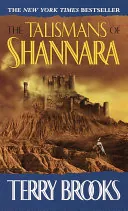
More by Terry Brooks
All books →




More Free Occult Philosophy Books
View all →