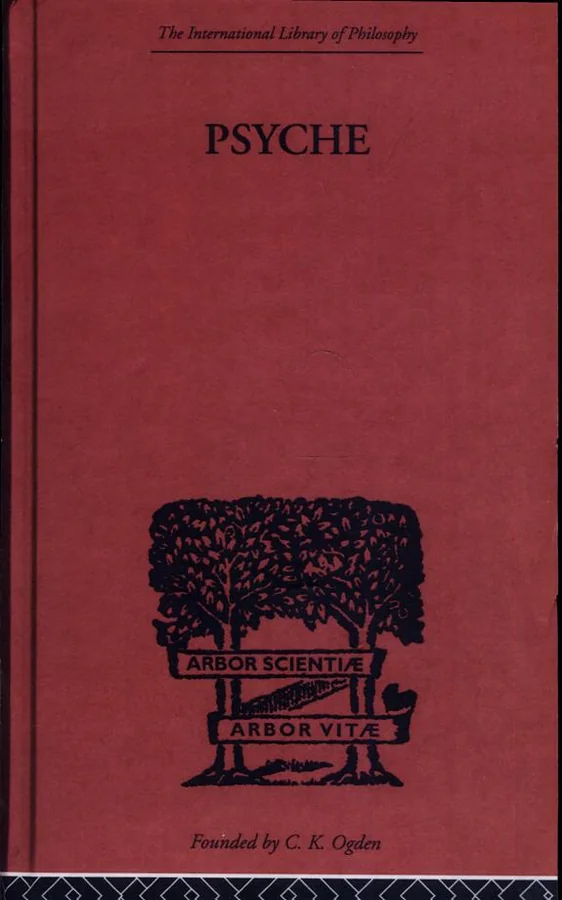
Qigong

 77
77

Qigong
Lin Zixin, Yu Li, and Guo Zhengyi's "Qigong" offers a structured approach to a practice often shrouded in mystique. The authors succeed in detailing the mechanics of various Qigong forms, providing clear instructions that facilitate a grounded understanding of energy cultivation. A particular strength lies in their methodical breakdown of the connection between specific movements and their physiological and energetic effects, a departure from more abstract treatises. However, the text occasionally feels overly clinical, lacking the poetic sensibility one might expect from discussions of 'qi'. The section detailing the 'Eight Brocades' (Ba Duan Jin), while informative, could benefit from more evocative language to convey the subtle energetic shifts involved. Overall, this book provides a solid, if somewhat dry, foundation for serious study of Qigong.
📝 Description
77
First published in 2000, this Qigong text details a system for cultivating vital energy.
This volume by Lin Zixin, Yu Li, and Guo Zhengyi presents Qigong not simply as physical exercises, but as a complete method for developing and balancing vital energy, or 'qi.' The practices combine movement, controlled breathing, and focused intention to foster health, vigor, and spiritual growth. The authors examine the connections between the body's energetic pathways and overall well-being.
It is for people interested in East Asian energetic arts, especially those wanting a deeper grasp of Qigong beyond basic movements. The book appeals to practitioners who wish to improve their inner awareness, build resilience, and understand the philosophical ideas behind energy cultivation for both physical health and spiritual advancement. The text covers core Qigong ideas like 'qi' as the life force, the significance of Dantian (energy centers), and the function of meridians (energy channels).
Readers will learn about different Qigong stances, breathing methods, and meditative states designed to regulate the flow of qi. This regulation is intended to affect physical health, emotional stability, and mental clarity. The book traces Qigong's roots back thousands of years in China, showing its evolution from Taoist and Buddhist traditions and its integration into martial arts, medicine, and contemplative practices.
Qigong's origins are ancient, stemming from Taoist and Buddhist traditions in China. These practices were historically interwoven with martial arts, traditional Chinese medicine, and contemplative disciplines. The text places Qigong within this lineage, explaining its role in harmonizing the body's internal energy systems, or meridians, to achieve physical health and spiritual development. The 20th century saw a formalization of these practices, leading to the standardized approach presented here.
💡 Why Read This Book?
• You will learn to identify and activate specific energy centers, such as the Dantian, understanding their role in channeling vital force, a concept central to Taoist energy cultivation. • You will gain practical knowledge of the "Eight Brocades" (Ba Duan Jin) Qigong forms, learning precise movements and breath coordination as outlined in the text's detailed instructions. • You will explore the philosophical underpinnings of 'qi' as presented in the work, differentiating it from mere physical exertion and understanding its connection to health and spiritual development.
⭐ Reader Reviews
Honest opinions from readers who have explored this book.
❓ Frequently Asked Questions
What is the earliest origin of Qigong practices discussed in the book?
The book traces Qigong practices back to ancient China, with roots in Taoist and Buddhist traditions, indicating millennia of development before its 2000 publication.
Are there specific Qigong forms detailed in Lin Zixin's work?
Yes, the book details fundamental Qigong principles and explores various forms, including the 'Eight Brocades' (Ba Duan Jin), focusing on posture, breath, and intention.
What does 'qi' signify within the context of this Qigong book?
'Qi' is presented as the vital life force or energy that flows through the body's meridians, and Qigong aims to cultivate and balance this energy for health and well-being.
Who are the primary authors of the Qigong book, and when was it first published?
The primary authors are Lin Zixin, Yu Li, and Guo Zhengyi. The book was first published in the year 2000.
What is the Dantian in Qigong according to this text?
The Dantian is identified as a crucial energy center within the body, fundamental for storing and cultivating 'qi' as described in the book's teachings.
Does the book cover breathing techniques for Qigong?
Yes, the text emphasizes breath control as a key component of Qigong practice, detailing specific techniques designed to harmonize the flow of 'qi'.
🔮 Key Themes & Symbolism
Qi Cultivation
The central theme revolves around the deliberate cultivation of 'qi,' or vital energy, as a means to enhance physical vitality, emotional equilibrium, and spiritual awareness. The work meticulously explains how specific movements, coordinated breathing patterns, and focused intention contribute to the harmonious flow of qi through the body's energetic channels, known as meridians. It positions Qigong not as mere physical exercise but as a profound practice for internal energetic management, directly impacting one's overall well-being and resilience against illness.
Energetic Anatomy
This theme looks at the esoteric understanding of the human body as an energetic system. It details concepts such as the Dantian, identified as primary energy reservoirs, and the meridian network, through which qi circulates. The book illustrates how blockages or imbalances in this energetic anatomy can lead to physical and emotional distress, and conversely, how consistent Qigong practice can clear these obstructions, restoring optimal energetic function and promoting a state of vibrant health.
Mind-Body Harmony
The text emphasizes the inseparable connection between the mind and body in Qigong practice. It illustrates how the cultivation of focused intention ('yi') is as crucial as the physical movements and breathwork. By training the mind to be present and calm, practitioners can more effectively direct their qi, fostering a profound sense of inner peace and mental clarity. This integration of mental discipline with physical practice is presented as key to achieving holistic health and personal transformation.
Traditional Forms and Techniques
This theme focuses on the practical application of Qigong through established forms and techniques. The work provides detailed instruction on specific sequences, such as the 'Eight Brocades' (Ba Duan Jin), explaining the precise postures, movements, and breathing methods. It serves as a guide to executing these ancient practices correctly, ensuring that practitioners can effectively harness their therapeutic and energetic benefits, connecting them to a lineage of embodied wisdom.
💬 Memorable Quotes
Direct passages from the work, attributed to the author.
“Qi is the fundamental substance that animates all life.”
— This statement defines 'qi' not just as energy, but as the essential material component that brings existence to animate beings, highlighting its foundational role in the universe.
“The Dantian is the furnace where internal alchemy begins.”
— This metaphor suggests the Dantian is the core site for transformative energetic processes, akin to a crucible where raw energy is refined and transmuted for higher purposes.
“Meridian blockages manifest as physical discomfort or illness.”
— This highlights the direct correlation between the unobstructed flow of energy through the body's channels and the absence of disease, underscoring Qigong's preventative health aspect.
“Coordination of breath, movement, and intent is paramount.”
— This emphasizes that effective Qigong practice requires the synchronized application of three key elements: physical action, respiratory control, and mental focus, for optimal results.
“Cultivating internal energy leads to external resilience.”
— This principle posits that strengthening one's inner energetic constitution through practices like Qigong builds a robust defense against external pathogens and environmental stressors.
🌙 Esoteric Significance
Tradition
This work aligns with the Taoist tradition, specifically its focus on cultivating 'qi' (vital energy) for health, longevity, and spiritual development. It draws upon concepts central to Neidan (internal alchemy) practices, which aim to refine the body's energetic substances. While rooted in ancient Taoist principles, the book's presentation in 2000 reflects a more systematized and accessible approach, bridging traditional esoteric knowledge with modern health consciousness and practice.
Symbolism
Key symbols include the 'Dantian,' representing the energetic core or crucible within the lower abdomen, vital for storing and transforming 'qi.' The 'meridians' are symbolic pathways of energy flow, akin to energetic circulatory systems, where blockages signify imbalance. The 'Eight Brocades' (Ba Duan Jin) themselves are symbolic sequences, each posture and movement representing a specific energetic action designed to harmonize the body and spirit.
Modern Relevance
Contemporary practices in integrative medicine, somatic therapy, and mindfulness-based stress reduction often echo Qigong's principles. Thinkers and practitioners exploring embodied cognition, bioenergetics, and energy psychology can find foundational concepts within this text. Schools of martial arts and therapeutic movement disciplines continue to draw upon the detailed Qigong techniques presented, adapting them for modern wellness and performance enhancement contexts.
👥 Who Should Read This Book
["• Individuals seeking to understand the energetic principles behind traditional Chinese health practices, moving beyond superficial exercise to grasp the concept of 'qi' cultivation.", '• Practitioners of martial arts or contemplative disciplines who wish to deepen their understanding of internal energy work and its physiological effects.', '• Students of comparative religion and philosophy interested in Taoist concepts of vital energy and their practical application for well-being.']
📜 Historical Context
Published in 2000, "Qigong" emerged during a period of heightened global interest in traditional Chinese medicine and alternative healing modalities. The late 20th century saw Qigong move from predominantly Chinese cultural spheres into wider international practice, often promoted through organizations like the Chinese Health Qigong Association, founded in 2001. This work arrived as Western scientific inquiry began to explore mind-body practices, though often framed within a biomedical paradigm that sometimes clashed with Qigong's Taoist philosophical underpinnings. Contemporary scholars like Livia Kohn were actively translating and analyzing Taoist texts, providing academic context for the practices detailed in this book, while figures such as Andrew Weil championed integrative medicine, creating fertile ground for Qigong's reception.
📔 Journal Prompts
The concept of 'qi' as described by Lin Zixin, Yu Li, and Guo Zhengyi.
Reflecting on the Dantian's role in energy cultivation.
The significance of meridian blockages for physical health.
Practicing the coordinated breath and movement of the Eight Brocades.
The integration of 'yi' (intention) in Qigong practice.
🗂️ Glossary
Qi
The fundamental life force or vital energy believed to permeate all living things and the universe. In Qigong, its cultivation and balance are central to health and vitality.
Dantian
Literally 'elixir field,' these are specific energy centers in the body, primarily located in the lower abdomen, considered reservoirs for cultivating and storing 'qi'.
Meridians
A network of subtle energy pathways throughout the body through which 'qi' flows, analogous to blood vessels but for vital energy.
Eight Brocades (Ba Duan Jin)
A set of eight fundamental Qigong exercises, widely practiced for their health benefits, involving specific movements, postures, and breathing techniques.
Yi
Intention or mind. In Qigong, 'yi' is crucial for directing 'qi' and guiding the practice, emphasizing the mind's role in energy cultivation.
Neidan
Taoist internal alchemy, a system of practices focused on cultivating and transforming the body's intrinsic energies ('qi', 'jing', 'shen') for spiritual development and longevity.
Qi Gong
A practice involving coordinated body posture and movement, breathing, and meditation used for health, spirituality, and martial arts training. Literally 'energy work'.
🔮 Readers Also Liked
Browse all →








More Free Occult Philosophy Books
View all →