Animal Alchemy

 61
61

Animal Alchemy

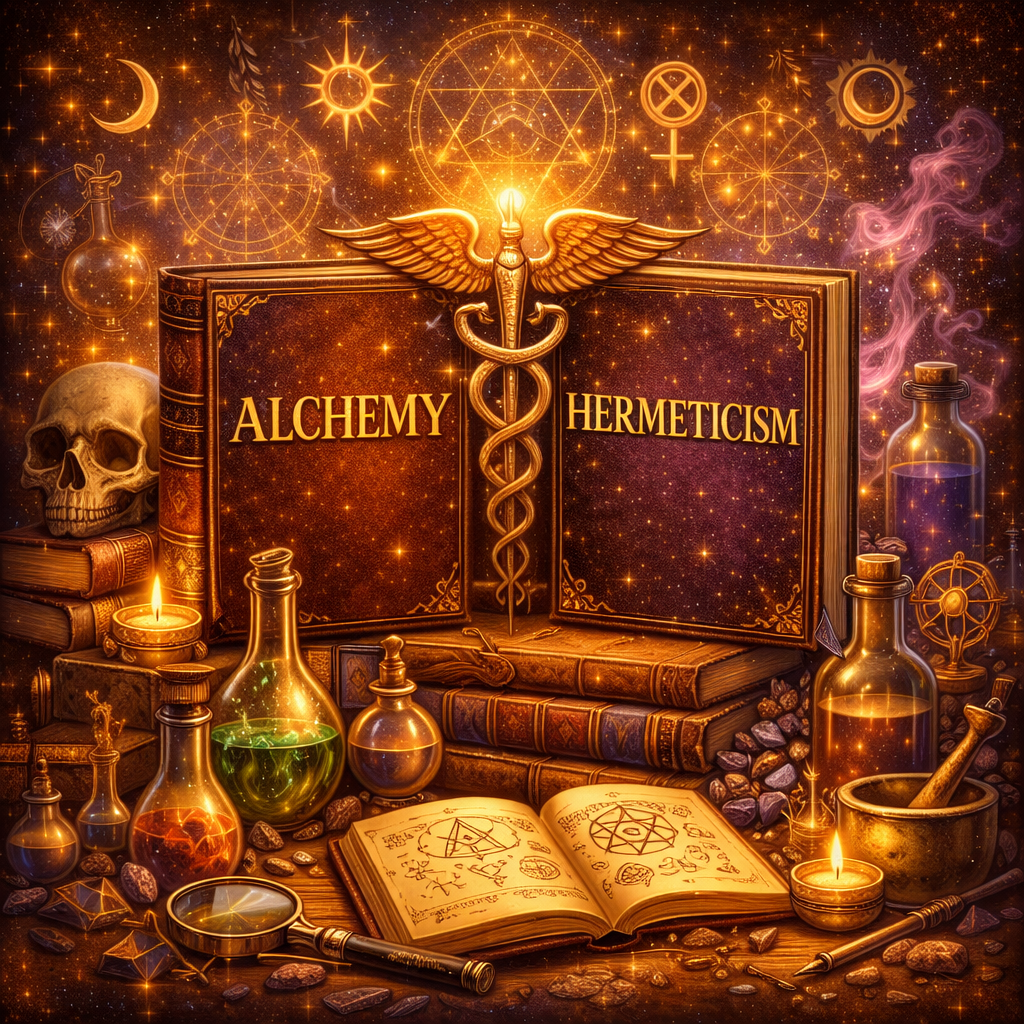

In Animal Alchemy, Jonathan Chapman masterfully weaves together the threads of alchemy and hermeticism to create a tapestry of esoteric wisdom. This book is a treasure trove for those seeking to delve into the mystical arts, offering profound insights into the symbolic language of alchemy. Chapman's strengths lie in his ability to make complex concepts accessible and engaging, making this work an invaluable resource for both beginners and seasoned practitioners. The intended audience will find themselves immersed in a world where the boundaries between the natural and the supernatural blur, inviting them to explore the deeper mysteries of existence.
📝 Description
61
Jonathan Chapman's Animal Alchemy, published in 2017, examines the alchemical significance of animals.
This book looks at the connections between animal symbolism and the practice of alchemy. Chapman investigates how different creatures were understood in alchemical traditions and what their symbolic roles were. He traces these ideas through various historical periods, showing how they were used in alchemical texts and practices.
The work discusses specific animals and their associated properties within the alchemical worldview. It suggests that these animals were not just seen as biological entities but as carriers of potent symbolic and transformative energies. The book aims to illuminate this often overlooked aspect of alchemical study, presenting a case for the importance of the animal kingdom in the pursuit of transformation.
Animal Alchemy fits within the broader esoteric tradition of Western hermeticism and practical magic. It draws upon a lineage that includes classical mythology, medieval bestiaries, and Renaissance alchemical treatises. The book engages with the idea that the natural world is a mirror of spiritual realities, a core concept in many magical systems. By focusing on animals, Chapman taps into a rich vein of symbolism used for centuries to represent stages of the alchemical process and the forces involved.
💡 Why Read This Book?
Read Animal Alchemy to unlock the hidden knowledge of alchemical symbolism and its transformative power. Ideal for seekers, scholars, and practitioners of the mystical arts, this book offers a unique perspective on the ancient practices that have shaped our understanding of the universe. Chapman's evocative writing style makes it a must-read for anyone interested in the esoteric traditions and their relevance in the modern world.
⭐ Reader Reviews
Honest opinions from readers who have explored this book.
❓ Frequently Asked Questions
What is the primary focus of Animal Alchemy?
The primary focus is the exploration of alchemical symbolism and its transformative power, particularly through the lens of the natural world.
Who is the intended audience for this book?
The book is intended for seekers, scholars, and practitioners of the mystical arts, as well as anyone interested in the esoteric traditions.
What makes Animal Alchemy unique?
Its unique blend of alchemical symbolism and natural imagery sets it apart, offering a fresh perspective on ancient practices.
Does the book provide practical guidance?
While it delves deeply into esoteric knowledge, it also offers insights that can be applied in practical alchemical work.
Is Animal Alchemy suitable for beginners?
Yes, the book is accessible to beginners due to its clear and engaging writing style, making complex concepts understandable.
🔮 Key Themes & Symbolism
Alchemical Transformation
The book studies the process of alchemical transformation, using the natural world as a metaphor for spiritual and personal growth. Chapman explores how the principles of alchemy can be applied to one's own life, fostering a deeper understanding of the self and the universe.
Symbolic Language
Animal Alchemy examines the symbolic language of alchemy, revealing the hidden meanings behind ancient symbols and practices. Through this exploration, readers gain insights into the mystical arts and their relevance in the modern world.
Interconnectedness of All Things
One of the central themes is the interconnectedness of all things, as seen through the lens of alchemy. Chapman illustrates how the natural world and the mystical arts are intricately linked, encouraging readers to see the world with a sense of wonder and magic.
💬 Memorable Quotes
Direct passages from the work, attributed to the author.
“Transformation begins with the acceptance of mystery.”
— Chapman emphasizes the importance of embracing the unknown in the alchemical process.
“In alchemy, every element has a story to tell.”
— Chapman encourages readers to see the deeper meanings behind alchemical elements and practices.
💡 Key Ideas
Editorial paraphrase of the work's core concepts — not direct quotes.
The natural world is a living alchemical laboratory.
This quote highlights the book's focus on the interconnectedness of nature and alchemy.
Symbols are the language of the soul.
This quote underscores the significance of symbolic language in understanding the mystical arts.
The journey of alchemy is one of self-discovery and enlightenment.
This quote reflects the book's theme of personal growth and spiritual transformation.
🌙 Esoteric Significance
Tradition
Animal Alchemy belongs to the Hermetic tradition, which emphasizes the mystical and spiritual aspects of alchemy. This tradition views alchemy as a path to personal and spiritual transformation, using the natural world as a symbol for the inner journey.
Symbolism
Key symbols in the book include the elements (earth, air, fire, and water) and the process of transformation, which are central to alchemical practice. These symbols represent the stages of personal and spiritual growth, guiding the reader through the mysteries of the alchemical path.
Modern Relevance
Today, Animal Alchemy remains relevant to modern practitioners of alchemy and the mystical arts. Its insights into the symbolic language of alchemy and the transformative power of the natural world continue to inspire seekers and scholars alike. The book's themes of interconnectedness and personal growth resonate with those seeking deeper meaning in their lives.
👥 Who Should Read This Book
Beginners will find Animal Alchemy accessible and engaging, with its clear and evocative writing style making complex concepts understandable. Scholars of the mystical arts will appreciate the book's deep exploration of alchemical symbolism and its historical context. Spiritual seekers will be drawn to its themes of personal growth and transformation, while practitioners will find valuable insights into the practical aspects of alchemy.
📜 Historical Context
Animal Alchemy was written during a time of renewed interest in the mystical arts and esoteric traditions. The book's exploration of alchemical symbolism and its transformative power resonated with readers seeking deeper meaning in a rapidly changing world. Its influence can be seen in the works of modern alchemists and practitioners, who continue to draw inspiration from its insights and wisdom.
📔 Journal Prompts
How does the natural world reflect the principles of alchemy in your life?
What symbols from Animal Alchemy resonate with you the most, and why?
In what ways can you apply the themes of transformation and interconnectedness to your personal journey?
How does the book's exploration of the mystical arts influence your understanding of the universe?
What steps can you take to embrace the mystery and wonder of the alchemical process?
🗂️ Glossary
Alchemy
The mystical and spiritual practice of transforming base metals into gold, often seen as a metaphor for personal and spiritual growth.
Hermeticism
A philosophical and spiritual tradition based on the writings of Hermes Trismegistus, emphasizing the interconnectedness of all things.
Transformation
The process of change and growth, often seen in alchemy as the conversion of base metals into gold.
Symbolic Language
The use of symbols to convey deeper meanings and insights, central to the practice of alchemy and the mystical arts.
Interconnectedness
The belief that all things in the universe are linked, reflecting the Hermetic principle of 'As above, so below.'
This book appears in 3 collections
🔮 Readers Also Liked
Browse all →









From the “Hermeticism” Collection
View all →






More Free Alchemy & Hermeticism Books
View all →