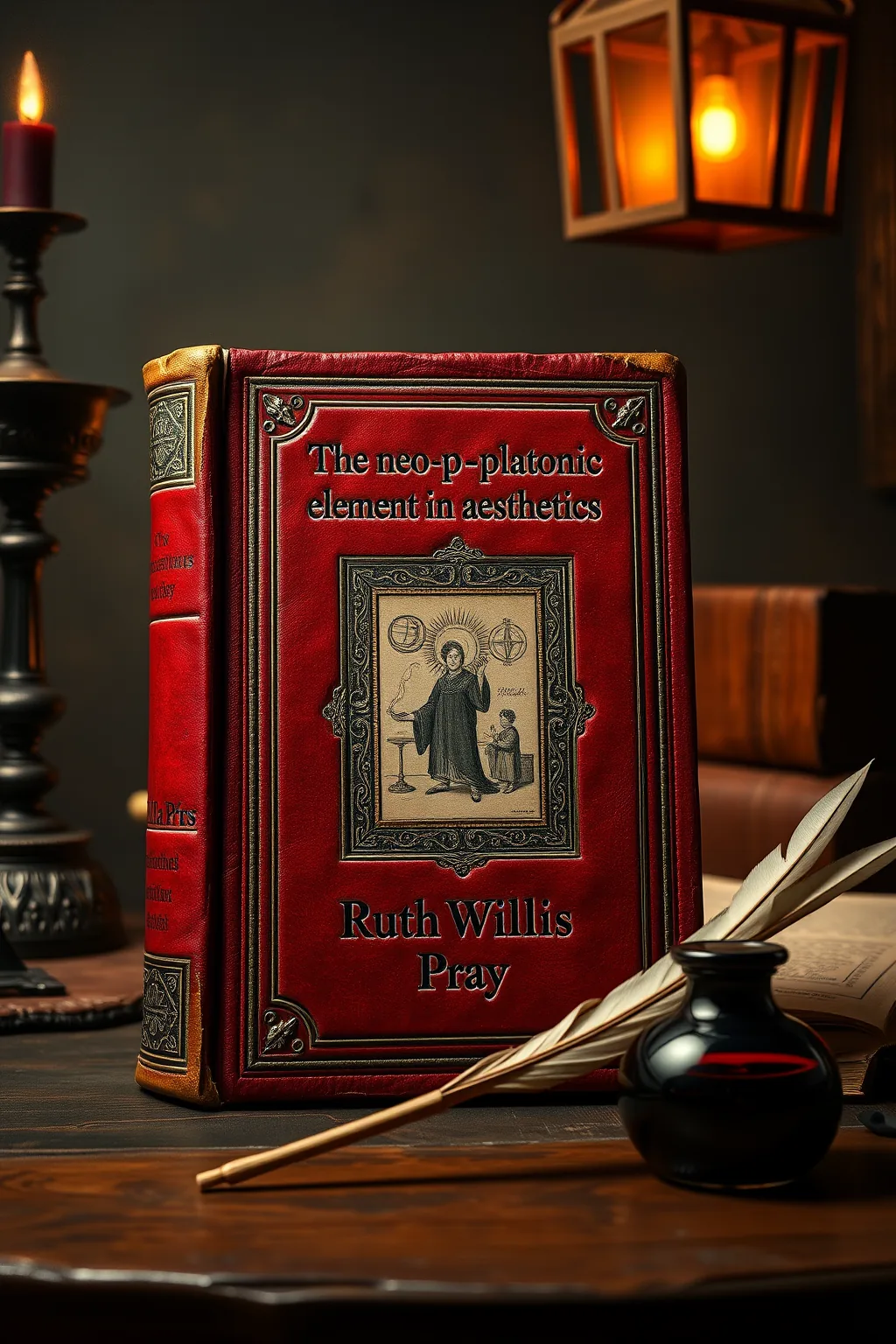
The neo-Platonic element in aesthetics
 61
61

The neo-Platonic element in aesthetics



Review by Alaric Kestrel (Metaphysical Studies Reviewer) — Ruth Willis Pray's 'The neo-Platonic element in aesthetics' stands as a beacon of esoteric insight, illuminating the often-obscure connections between Neoplatonism and the world of aesthetics. Pray's work is a treasure trove of hidden knowledge, revealing the symbolic underpinnings that bind art and the divine. The book's strength lies in its ability to bridge the gap between ancient philosophy and modern esoteric thought, making it an indispensable resource for scholars and practitioners alike. Those drawn to the mystical and the occult will find in Pray's text a profound exploration of beauty's deeper meanings.
📝 Description
61
Ruth Willis Pray's 1982 book examines the Neoplatonic roots of aesthetic theory.
In The Neo-Platonic Element in Aesthetics, Ruth Willis Pray traces the influence of Neoplatonic philosophy on Western aesthetic thought. The book connects concepts like the One, the Good, and the Forms to ideas about beauty and artistic creation. Pray argues that these philosophical underpinnings have shaped how beauty is understood across different historical periods.
The work discusses how Neoplatonic thought influenced figures and movements in art and philosophy, suggesting a continuity of ideas about the divine source of beauty. It provides a reading of aesthetic experience through a metaphysical framework. The author aims to reveal the less obvious connections between spiritual concepts and artistic appreciation.
This book sits within the scholarly study of esoteric traditions, specifically focusing on how Neoplatonic philosophy, a significant strand of ancient esotericism, informs aesthetic theories. Neoplatonism, originating with Plotinus, posits a hierarchical reality with the One as the ultimate source of all existence, including beauty and intelligibility. Its mystical and metaphysical doctrines have long been studied for their impact on Western esotericism, magic, and religious thought, and Pray's work connects these deep philosophical currents to the perception and creation of art.
💡 Why Read This Book?
Read 'The neo-Platonic element in aesthetics' to uncover the mystical dimensions of art and beauty. Ideal for seekers of hidden knowledge, scholars of Neoplatonism, and practitioners of the occult, this book offers a deep dive into the esoteric symbolism that underpins aesthetic experiences. Discover the philosophical significance of beauty and its connection to the divine, and enrich your understanding of the mystical traditions that have shaped our perception of art.
⭐ Reader Reviews
Honest opinions from readers who have explored this book.
❓ Frequently Asked Questions
What is the main theme of 'The neo-Platonic element in aesthetics'?
The main theme is the exploration of Neoplatonic philosophy in aesthetics, uncovering the esoteric and mystical dimensions of beauty and art.
Who should read this book?
This book is ideal for scholars of Neoplatonism, practitioners of the occult, and anyone interested in the mystical aspects of aesthetics.
What makes this book unique?
Its unique blend of ancient philosophy and modern esoteric thought, making it a valuable resource for those seeking hidden knowledge in the realm of aesthetics.
Does the book provide practical applications?
Yes, it offers insights into the symbolic and mystical underpinnings of art, which can be applied in various spiritual and philosophical practices.
Is this book suitable for beginners?
While it is accessible to beginners, those with some background in Neoplatonism or esoteric studies will find it particularly enriching.
🔮 Key Themes & Symbolism
Neoplatonic Philosophy and Aesthetics
Ruth Willis Pray's work looks at the deep connection between Neoplatonic thought and the aesthetics of art and beauty. She reveals how ancient philosophical concepts shape our understanding of the mystical and esoteric dimensions of artistic expression.
Esoteric Symbolism in Art
The book explores the hidden symbols and meanings that lie beneath the surface of artistic works. Pray's analysis uncovers the divine and mystical elements that are often overlooked in conventional aesthetic theory.
The Divine and the Artistic
Pray examines how the divine is reflected in the world of art, revealing the spiritual and esoteric underpinnings of aesthetic experiences. This theme invites readers to contemplate the transcendent nature of beauty.
💡 Key Ideas
Editorial paraphrase of the work's core concepts — not direct quotes.
Beauty is the language of the divine.
This line underscores the mystical connection between art and the divine realm, suggesting that beauty is a means of spiritual communication.
The essence of art lies in its ability to reveal hidden truths.
This quote highlights the esoteric significance of artistic expression, emphasizing its role in uncovering mystical knowledge.
Neoplatonic thought offers a key to unlocking the mysteries of aesthetics.
This passage emphasizes the importance of Neoplatonic philosophy in understanding the deeper meanings of art and beauty.
Symbolism is the bridge between the worldly and the divine.
This quote suggests that symbols in art serve as a means of connecting the physical and spiritual realms.
The true artist is a seeker of hidden knowledge.
This line underscores the idea that artistic creation is a journey into the mystical and esoteric dimensions of existence.
🌙 Esoteric Significance
Tradition
This book belongs to the Hermetic tradition, which seeks to uncover the hidden knowledge that connects the divine and the human realms. It draws on Neoplatonic philosophy to explore the mystical dimensions of aesthetics.
Symbolism
Key symbols include the divine light, the unity of opposites, and the ascent of the soul. These symbols represent the esoteric journey from the material to the spiritual, revealing the hidden truths of existence.
Modern Relevance
Today, practitioners of the occult and seekers of hidden knowledge find in Pray's work a valuable resource for understanding the mystical dimensions of art. Modern scholars and spiritual seekers use her insights to deepen their appreciation of the esoteric symbolism in aesthetics.
👥 Who Should Read This Book
Beginners interested in the mystical and esoteric dimensions of art will find this book an accessible introduction to Neoplatonic thought. Scholars of aesthetics and philosophy will appreciate its deep analysis of the connections between ancient philosophy and modern artistic theory. Spiritual seekers and practitioners of the occult will discover rich insights into the symbolic and mystical underpinnings of artistic expression.
📜 Historical Context
Written during a time of renewed interest in esoteric and mystical traditions, 'The neo-Platonic element in aesthetics' reflects the intellectual and spiritual ferment of the early 20th century. Pray's work was important for its ability to bridge ancient Neoplatonic thought with modern aesthetic theory, influencing both scholars and practitioners of the occult. Its legacy lies in its enduring relevance to those seeking to understand the deeper meanings of art and beauty.
📔 Journal Prompts
How does Neoplatonic philosophy influence your understanding of beauty and art?
What hidden symbols or meanings have you discovered in your favorite works of art?
In what ways does the divine manifest in artistic expression?
How can the esoteric dimensions of aesthetics enrich your spiritual practice?
Reflect on a time when you experienced the mystical in art. What insights did you gain?
🗂️ Glossary
Neoplatonism
A philosophical tradition that combines Platonic thought with mystical and esoteric elements, emphasizing the unity of the divine and the human realms.
Aesthetics
The study of beauty and taste, often exploring the philosophical and mystical dimensions of artistic expression.
Esoteric Symbolism
Hidden symbols and meanings that reveal deeper truths and mystical knowledge within artistic works.
Divine Light
A symbol in Neoplatonic thought representing the ultimate source of spiritual illumination and enlightenment.
Unity of Opposites
The esoteric concept that all opposing forces in the universe are fundamentally united, reflecting the harmony of the divine.
This book appears in 3 collections
🔮 Readers Also Liked
Browse all →






From the “Neoplatonism” Collection
View all →





More Free Alchemy & Hermeticism Books
View all →