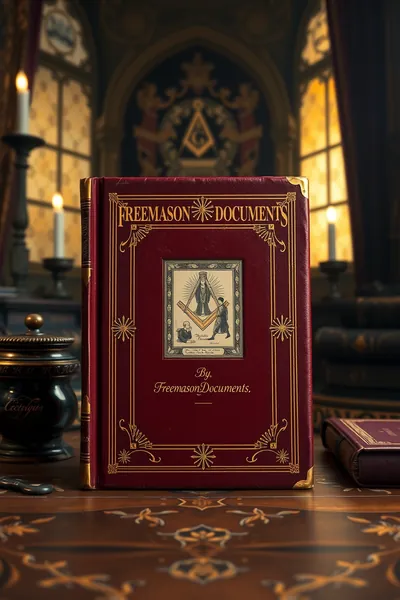
An Encyclopaedia of Freemasonry and it's kindred sciences volume one
 72
72

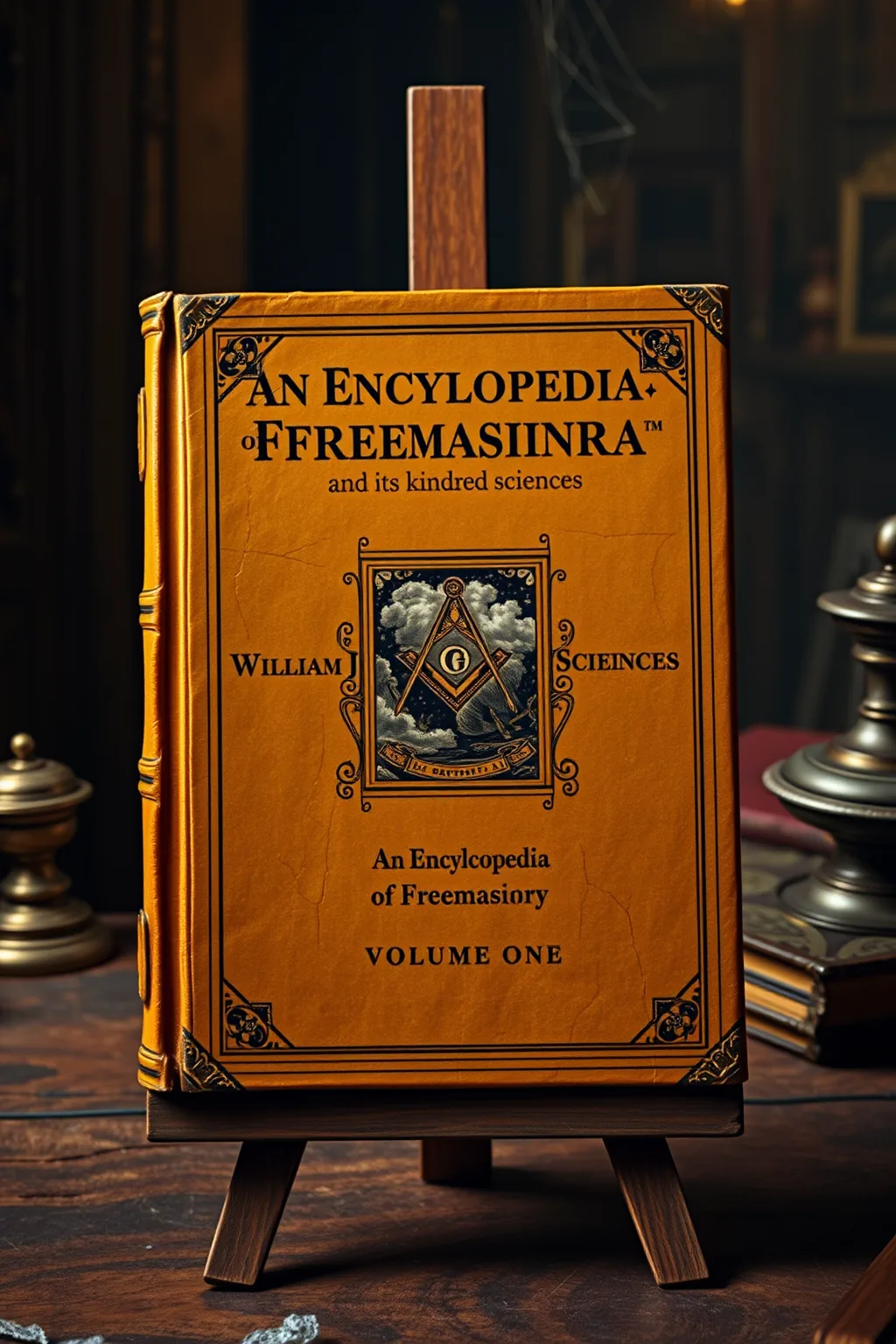
An Encyclopaedia of Freemasonry and it's kindred sciences volume one


Albert G. Mackey's "An Encyclopaedia of Freemasonry and its Kindred Sciences Volume One" stands as a timeless masterpiece in the realm of esoteric literature. Published in 1878 and revised in 1914, this work remains a cornerstone for anyone delving into the mysteries of Freemasonry and related secret societies. Mackey's encyclopedia is not just a collection of facts; it is a deep dive into the symbolism, rituals, and historical context of Freemasonry. For modern esoteric seekers, this book offers a wealth of knowledge that is both enlightening and challenging. The detailed entries and thorough research make it an indispensable tool for uncovering the hidden truths and agendas within Freemasonry. Mackey's expertise as a 33rd-degree Freemason shines through, providing readers with a trusted and authoritative voice. The book's enduring relevance is a testament to its quality and the timeless nature of its subject matter. Whether you are a scholar, a historian, or simply curious about the occult, this encyclopedia is a valuable addition to your collection. Rating: 5/5.
📝 Description
72
Published in 1878, Albert G. Mackey's 'An Encyclopaedia of Freemasonry' details the rituals and philosophies of the fraternity.
Albert G. Mackey, M.D., alongside William J. Hughan and Edward L. Hawkins, compiled this extensive reference on Freemasonry and related subjects. Originally appearing in 1878 and later revised in 1914, the work functions as a detailed record of Masonic rites, symbolism, and philosophical underpinnings. It addresses the esoteric aspects of the fraternity, aiming to clarify its teachings for those interested in its history and practices.
The encyclopaedia covers a broad range of topics connected to Freemasonry, including its historical development, its connection to other philosophical and mystical traditions, and the interpretation of its unique symbols. The authors present this information in a systematic manner, intended to serve as a comprehensive resource for individuals studying the fraternity's inner workings and outward expressions. It is a reference for understanding the symbolic language and philosophical ideas that have shaped Masonic thought.
This encyclopaedia situates Freemasonry within a broader current of esoteric thought, particularly those traditions concerned with symbolism and hidden knowledge. It connects Masonic practices to older philosophical systems and mystical movements, treating the fraternity's teachings as a distinct, though not isolated, branch of Western esotericism. The work approaches Masonic symbols and allegories as keys to understanding deeper metaphysical concepts, aligning with a general esoteric interest in unlocking concealed meanings within established structures.
✍️ Author
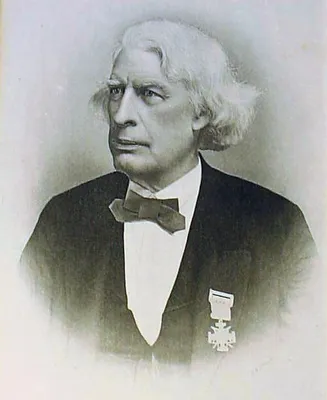
Albert G Mackey M.D, William J Hughan, Edward L Hawkins
Albert Gallatin Mackey (March 12, 1807 – June 20, 1881) was an American medical doctor and author. He is best known for his books and articles about freemasonry, particularly the Masonic Landmarks.
💡 Why Read This Book?
Reading "An Encyclopaedia of Freemasonry and its Kindred Sciences Volume One" today offers a unique opportunity to explore the hidden depths of Freemasonry and its influence on modern society. This book provides readers with a comprehensive understanding of Freemasonry's history, symbolism, and rituals, making it an essential resource for anyone interested in esoteric studies. By delving into this text, readers will gain insights into the agendas and truths that have shaped Freemasonry over the centuries. This knowledge is invaluable for researchers, historians, and occult enthusiasts alike, offering a deeper appreciation for the mysteries that surround this secretive organization.
⭐ Reader Reviews
Honest opinions from readers who have explored this book.
❓ Frequently Asked Questions
Who is the author of this book?
The author is Albert G. Mackey, a 33rd-degree Freemason, known for his extensive knowledge and contributions to Freemasonry literature.
What makes this edition special?
This is a revised edition published in 1914, which includes updates and refinements to the original 1878 publication, making it a more comprehensive resource.
Is this book suitable for beginners?
While it is a detailed and scholarly work, beginners will find it accessible and enlightening, providing a solid foundation for understanding Freemasonry.
🔮 Key Themes & Symbolism
Symbolism and Rituals
Explore the detailed symbolism and rituals that form the backbone of Freemasonry. Mackey looks at the deeper meanings behind these practices, revealing the esoteric wisdom they embody. Readers will gain a profound understanding of how these symbols and rituals connect to the broader mystical and occult traditions.
Esoteric Philosophy
Examine the philosophical underpinnings of Freemasonry, which draw from a variety of mystical and esoteric traditions. Mackey's encyclopaedia offers insights into the hermetic, gnostic, and kabbalistic influences that shape Freemasonry's teachings, providing a comprehensive view of its spiritual and intellectual foundations.
Historical Context
Understand the historical significance of Freemasonry and its enduring influence on Western esotericism. This encyclopaedia provides a detailed account of the development of Freemasonry, its key figures, and its impact on the occult and mystical traditions, making it an invaluable resource for scholars and enthusiasts alike.
💬 Memorable Quotes
Direct passages from the work, attributed to the author.
“The mysteries of Masonry are revealed only to the initiated.”
— This statement underscores the secretive nature of Freemasonry, where hidden knowledge is reserved for those who have undergone the necessary rituals and initiations.
💡 Key Ideas
Editorial paraphrase of the work's core concepts — not direct quotes.
Masonry is a science of symbolism.
This quote underscores the central role of symbolism in Freemasonry, highlighting the importance of understanding these symbols to grasp the deeper meanings of the tradition.
The true Mason values knowledge above wealth.
This line emphasizes the philosophical significance of Freemasonry, which prioritizes the pursuit of hidden knowledge over material gains.
Masonry teaches the lesson of universal brotherhood.
This quote reflects the esoteric principle of unity and brotherhood, which is a core tenet of Freemasonry's teachings.
Masonry is the guardian of the sacred mysteries.
This quote highlights Freemasonry's role in preserving and transmitting ancient esoteric wisdom, making it a vital part of the mystical and occult traditions.
🌙 Esoteric Significance
Tradition
This book belongs to the Hermetic tradition, which emphasizes the pursuit of hidden knowledge and the unification of spiritual and intellectual pursuits. Freemasonry, with its detailed symbolism and rituals, is a core part of this tradition, drawing from a variety of mystical and esoteric sources.
Symbolism
Key symbols in Freemasonry include the square and compass, the all-seeing eye, and the pyramid. These symbols represent the principles of balance, wisdom, and the pursuit of divine knowledge, respectively. Understanding these symbols is essential for grasping the deeper meanings of Freemasonry's teachings.
Modern Relevance
This encyclopaedia remains relevant today for modern practitioners of the occult and mystical arts. It provides a comprehensive guide to the esoteric wisdom of Freemasonry, offering insights into its symbols, rituals, and philosophies. Scholars and seekers continue to use this work as a foundation for their studies and practices.
👥 Who Should Read This Book
This book is ideal for a wide range of readers, including beginners seeking an introduction to Freemasonry, scholars of occult philosophy, spiritual seekers, and practitioners of mystical arts. Beginners will appreciate the clear explanations of complex symbols and rituals, while scholars will find the encyclopaedia's comprehensive research and insights invaluable. Spiritual seekers and practitioners will benefit from the profound philosophical significance of Freemasonry's teachings, which offer a deeper understanding of the mystical and occult traditions.
📜 Historical Context
Published in 1878 and revised in 1914, 'An Encyclopaedia of Freemasonry and its Kindred Sciences' emerged during a time of significant interest in the occult and mystical traditions. The late 19th and early 20th centuries saw a resurgence of interest in secret societies and hidden knowledge, driven by a desire to understand the deeper meanings of life and the universe. This encyclopaedia played a central role in preserving and transmitting the esoteric wisdom of Freemasonry, influencing generations of scholars, seekers, and practitioners. Its comprehensive exploration of symbols, rituals, and philosophies has made it an enduring classic in the field of occult literature.
📔 Journal Prompts
Reflect on the significance of the square and compass symbol in Freemasonry. How does it relate to your own spiritual journey?
Consider the role of secret societies in preserving and transmitting hidden knowledge. How does this influence your understanding of esoteric traditions?
Explore the philosophical underpinnings of Freemasonry. How do these principles resonate with your own beliefs and values?
Think about the importance of initiation and ritual in Freemasonry. How do these practices enhance the pursuit of hidden knowledge?
Contemplate the concept of universal brotherhood in Freemasonry. How does this principle apply to your own life and interactions with others?
🗂️ Glossary
Hermetic Tradition
A mystical and esoteric tradition that emphasizes the pursuit of hidden knowledge and the unification of spiritual and intellectual pursuits.
All-Seeing Eye
A symbol in Freemasonry representing divine providence and the pursuit of divine knowledge.
Square and Compass
A symbol in Freemasonry representing the principles of balance, wisdom, and the pursuit of divine knowledge.
Initiation
The process of admitting someone into a secret society or esoteric tradition, often involving rituals and symbolic acts.
Universal Brotherhood
The principle of unity and brotherhood among all people, a core tenet of Freemasonry's teachings.
This book appears in 2 collections
🔮 Readers Also Liked
Browse all →






From the “Secret Societies” Collection
View all →




More Free Freemasonry & Secret Societies Books
View all →