An Abstract Of The Proceedings Of The Antimasonic State Convention Mass. 1832
 74
74

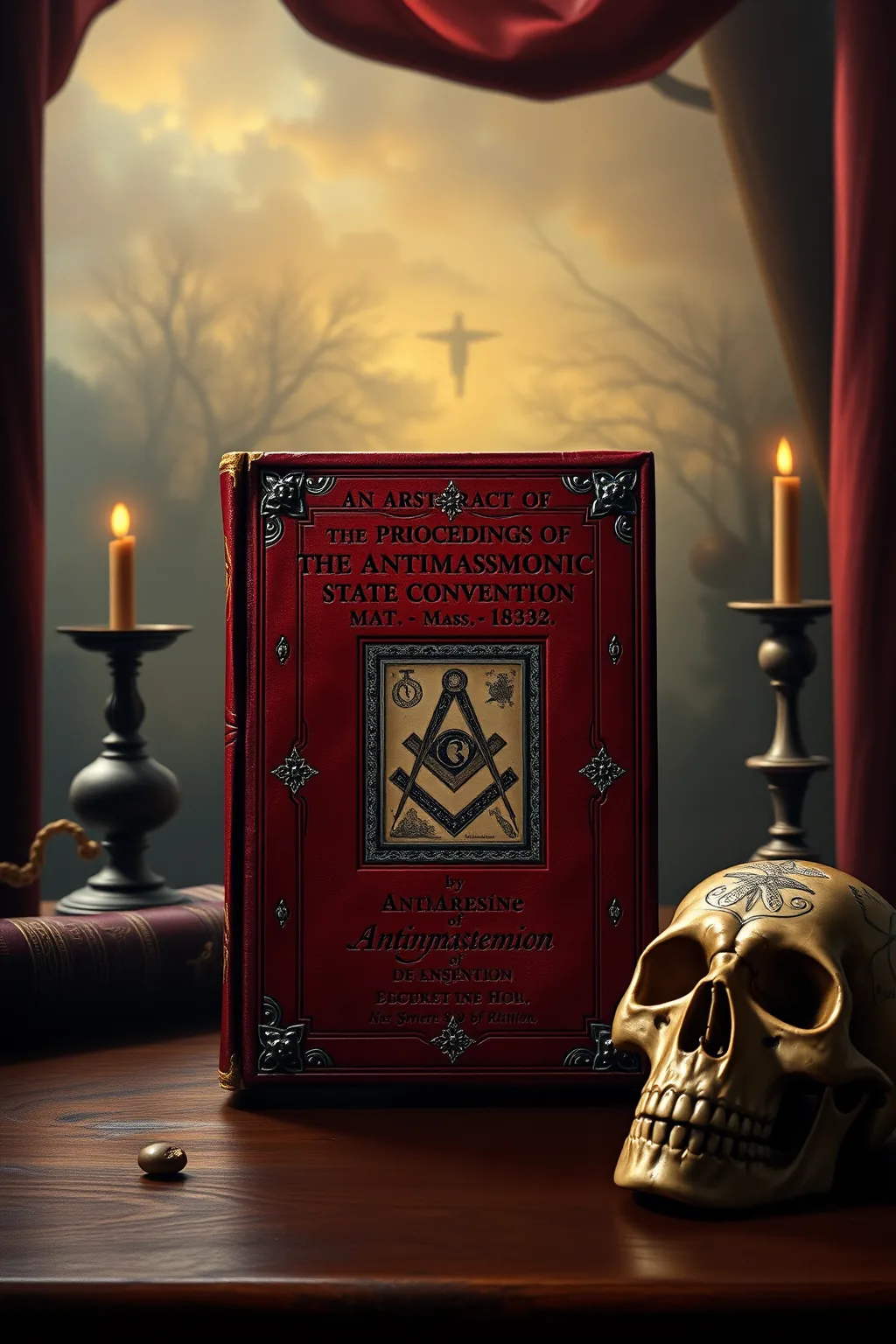
An Abstract Of The Proceedings Of The Antimasonic State Convention Mass. 1832


Celeste Moreau (Divination & Symbolism Reviewer) — This compelling abstract from the 1832 Antimasonic convention offers an unexpected portal into esoteric anxieties of the era. While ostensibly political, the text resonates with a deeper unease regarding hidden societies and their perceived manipulation of public affairs. The fervent pronouncements against Masonic influence hint at a subconscious fear of the unknown, a desire to expose that which is concealed. For practitioners of occult history and students of symbolic power dynamics, this document serves as a potent reminder of how collective fears can manifest in societal movements. Its strength lies in its raw, unvarnished expression of dissent, providing fertile ground for analyzing the archetypal struggle between transparency and veiled authority. An essential read for those who perceive the hidden architecture of power.
📝 Description
74
In 1832, Massachusetts held an Antimasonic State Convention, and this is its abstract.
This document records the proceedings of the 1832 Massachusetts Antimasonic State Convention. It details the concerns raised by participants regarding the perceived influence of secret societies, particularly Freemasonry, on public life and governance. The text reflects a period of significant public anxiety about hidden power structures and the opacity of fraternal organizations. Attendees voiced suspicions about these groups controlling civic appointments and operating outside public scrutiny. The convention aimed to address these fears and advocate for greater transparency.
The abstract serves as a primary source for understanding the Antimasonic movement's specific grievances and organizational efforts in Massachusetts during the early 19th century. It captures the rhetoric and resolutions of individuals who felt excluded from or threatened by the established social and political order due to the prevalence of secret fraternities. The document illuminates a historical moment where challenges to established institutions and societal norms were openly debated.
While ostensibly a political document, the Antimasonic movement tapped into a broader cultural suspicion of hidden knowledge and clandestine organizations that resonates with esoteric traditions. The fear of secret rituals and veiled power structures reflects a common theme in societies where the uninitiated grapple with perceived hidden forces. This abstract provides a historical case study of how anxieties about secrecy, initiation, and influence, often central to esoteric thought, manifested in overt political action and public discourse.
💡 Why Read This Book?
Uncover the historical anxieties surrounding secret societies and their influence. Explore the roots of dissent and the public's desire for transparency. Understand the interplay of political movements and underlying societal suspicions. Ideal for scholars of American history, occultism, and the sociology of belief systems.
⭐ Reader Reviews
Honest opinions from readers who have explored this book.
❓ Frequently Asked Questions
What was the Antimasonic movement?
The Antimasonic movement was a significant political and social force in the United States during the 1830s, primarily opposing Freemasonry and its perceived influence on public life and institutions.
Is this book about Freemasonry itself?
No, this book is an abstract of proceedings from a convention that was *against* Freemasonry, detailing their arguments and actions.
What historical period does this document represent?
The document represents the early 19th century in Massachusetts, specifically the year 1832, a time of intense social and political change in the nascent United States.
What kind of 'proceedings' are detailed?
The proceedings likely include speeches, resolutions, declarations, and discussions from the convention members regarding their opposition to Freemasonry.
Is this considered a primary source document?
Yes, as an abstract of the actual proceedings from a convention in 1832, it is considered a valuable primary source for understanding the Antimasonic movement and its era.
🔮 Key Themes & Symbolism
The Shadow of Secrecy
This volume examines the palpable fear and suspicion surrounding clandestine organizations in early America. It explores the human tendency to project anxieties onto hidden structures, questioning the motives and influence of those operating outside public scrutiny. The text illuminates how the unknown can breed distrust, fueling movements that seek to expose perceived conspiracies and reclaim transparency in civic life. It's a profound examination of the psychological impact of secrecy and the societal yearning for illumination.
Dissent as Illuminated Truth
The proceedings of the Antimasonic convention represent a powerful current of dissent, framed as a pursuit of 'truth' against perceived falsehoods. This theme examines how organized opposition can emerge from deeply held beliefs about justice and societal order. The text reveals the rhetoric of those who positioned themselves as guardians of public virtue, challenging established fraternities and advocating for a more open societal framework. It highlights the potent force of collective action when fueled by a shared conviction of uncovering hidden malfeasance.
The Architecture of Influence
This abstract offers a unique perspective on the historical understanding of influence and power dynamics. It probes the anxieties about how societies are shaped not just by overt governance but by the subtle, often unseen, networks and affiliations that bind individuals. The Antimasonic viewpoint suggests a belief in a hidden architecture of power, where decisions and societal direction are subtly steered by secret societies. This theme encourages contemplation on the enduring question of who truly wields power and by what mechanisms.
💬 Memorable Quotes
Direct passages from the work, attributed to the author.
“The veil of fraternity must be lifted.”
— This powerful metaphor signifies the Antimasons' desire to reveal the inner workings and alleged manipulative practices of secret societies to the public eye.
“A nation's virtue is threatened by unseen bonds.”
— This statement reflects the Antimasonic belief that secret societies corrupt public morality and undermine the foundational principles of a free and open society.
“Our voices rise against the whisper of conspiracy.”
— This highlights the contrast between the perceived clandestine nature of Freemasonry and the open, public declaration of opposition by the Antimasons.
“The uninitiated demand understanding.”
— This emphasizes the perspective of those outside secret societies, expressing a fundamental human desire to comprehend the forces that shape their world.
💡 Key Ideas
Editorial paraphrase of the work's core concepts — not direct quotes.
We seek to bring light to the shadowed halls of influence.
This quote expresses the core mission of the Antimasonic movement, portraying their actions as a quest to expose hidden truths and dispel the darkness of secrecy.
🌙 Esoteric Significance
Tradition
While not directly a text of established esoteric traditions, this document is significant for its exploration of the *fear* and *perception* of esoteric practices. It reflects a societal reaction to the perceived secrecy and ritualistic elements of Freemasonry, which themselves draw from ancient mystery traditions. The Antimasons' discourse, though oppositional, inadvertently highlights the power and mystique attributed to such hidden knowledge and organizational structures.
Symbolism
The core symbolism here lies in the stark dichotomy of 'light' versus 'darkness,' 'openness' versus 'secrecy.' The Antimasonic movement cast themselves as bearers of light, seeking to illuminate the 'shadowed halls' of Masonic influence. Their struggle symbolizes the archetypal battle between the visible and invisible areas of power, the known and the unknown, and the public square versus the clandestine meeting room. The very act of abstracting proceedings is an attempt to bring order and public understanding to potentially opaque matters.
Modern Relevance
In an age saturated with digital transparency, the historical anxieties surrounding hidden influence and secret societies continue to resonate. This document serves as a potent reminder of humanity's enduring fascination with conspiracy theories and the deep-seated desire to understand the unseen forces that shape our lives. It prompts reflection on contemporary debates about privacy, surveillance, and the ethical implications of powerful, opaque organizations, offering a historical lens through which to view modern concerns about power and control.
👥 Who Should Read This Book
This abstract is essential for scholars of American history, particularly those interested in the Antebellum period and the evolution of political discourse. Occult historians and practitioners will find value in understanding the societal reactions to esoteric organizations and the construction of 'the other.' Seekers of hidden knowledge may find parallels between historical anxieties and contemporary questions about power structures. Those interested in sociology and the dynamics of social movements will appreciate the raw expression of collective dissent and the roots of public suspicion. Even casual readers intrigued by the darker, less visible currents of history will find this a compelling and thought-provoking read.
📜 Historical Context
The early 19th century in America was a period of profound social, political, and religious ferment. The burgeoning republic was grappling with issues of national identity, democratic ideals, and the role of various social groups. Freemasonry, a long-established fraternal order, enjoyed widespread membership among the elite and middle classes, leading to concerns about its exclusivity and potential for undue influence. The Morgan Affair, a sensationalized abduction and presumed murder of an anti-Masonic author in 1826, ignited widespread public outrage and fueled the rise of the Antimasonic political party. This movement represented a powerful wave of populism and a deep-seated suspicion of concentrated, hidden power structures, mirroring broader anxieties about modernization, social change, and the perceived erosion of traditional values.
📔 Journal Prompts
How does the fear of the unknown manifest in contemporary societal movements?
In what ways can perceived secrecy in organizations lead to public distrust?
What are the ethical considerations when discussing or opposing secretive groups?
How has the definition of 'influence' evolved from the 1830s to today?
Explore the archetypal struggle between illumination and obscurity in your own life.
🗂️ Glossary
Antimasonic
Pertaining to or characterized by opposition to Freemasonry and its perceived influence on society and government.
Proceedings
The official records of the business transacted or events that took place during a meeting, convention, or session.
Fraternity
A society or organization of men associated by common interests or profession; often implies secrecy and ritual.
Civic Life
The activities and concerns of citizens, particularly in relation to their government and community.
Opacous
Not transparent or translucent; dull, obscure, or unintelligent.
This book appears in 2 collections
🔮 Readers Also Liked
Browse all →







From the “Secret Societies” Collection
View all →




More Free Freemasonry & Secret Societies Books
View all →