Amulets, talismans, and magical jewelry

 83
83

Amulets, talismans, and magical jewelry
Barbara Black Koltuv’s "Amulets, Talismans, and Magical Jewelry" presents a meticulously researched overview of enchanted personal adornments. Unlike many superficial treatments, Koltuv grounds her exploration in historical and anthropological contexts, demonstrating a keen understanding of how these objects functioned within various belief systems. A notable strength is her detailed examination of specific historical periods, such as the pervasive use of amulets in the ancient Near East. However, the book occasionally leans towards academic dryness, and a more direct engagement with contemporary magical practice, beyond mere historical precedent, might have enhanced its practical appeal for some readers. The section on the Kabbalistic significance of certain Hebrew letters within amuletic designs, for instance, is illuminating but assumes a prior familiarity with the subject matter. Koltuv’s work serves as a valuable, if sometimes dense, resource for understanding the enduring human impulse to imbue objects with power.
📝 Description
83
Barbara Black Koltuv's 2005 book examines amulets, talismans, and magical jewelry.
Barbara Black Koltuv's "Amulets, Talismans, and Magical Jewelry" analyzes enchanted objects with scholarly rigor and accessibility. Published in 2005, the book investigates the historical background and symbolic meaning of personal adornments designed for protection, benefit, or magical effects. It moves past simple definitions to examine the core principles and traditions that have granted these items significance across various cultures and historical periods.
This work is for individuals interested in the connection between physical objects and esoteric belief systems. It will appeal to students of comparative religion, anthropology, and the history of magic, along with practitioners seeking a better grasp of the items they use. Anyone curious about how common objects become powerful tools for spiritual or protective aims will find valuable content here.
The study of amulets and talismans stretches back to the earliest civilizations, with examples found in Mesopotamian, Egyptian, Greek, and Roman societies. These objects served essential functions beyond decoration, including warding off misfortune, attracting good luck, and enabling communication with spiritual entities. Koltuv's research places these practices within a larger historical framework, tracking their development and continued relevance through time.
💡 Why Read This Book?
• Gain insight into the historical development of protective and magical jewelry, understanding specific practices from antiquity through to the early modern period, as discussed in the book's historical context sections. • Learn about the symbolic language embedded in amulets and talismans, including the significance of materials and inscriptions, as explored in the 'Key Concepts' of the work. • Discover the underlying principles of sympathetic magic and focused intent that empower these objects, providing a foundation for understanding their efficacy across diverse cultures and eras.
⭐ Reader Reviews
Honest opinions from readers who have explored this book.
❓ Frequently Asked Questions
What historical periods does Barbara Black Koltuv's book cover regarding amulets and talismans?
The book examines amuletic traditions from ancient civilizations like Mesopotamia and Egypt through to the early modern period, highlighting their continuous presence and evolution across diverse cultures.
Can you give an example of a specific concept discussed in 'Amulets, Talismans, and Magical Jewelry'?
Yes, the work explores the principle of sympathetic magic, where an object is believed to influence a person or situation through a connection of likeness or contiguity.
What kind of jewelry is focused on in the book?
The book concentrates on jewelry specifically designed or consecrated for magical purposes, including rings, necklaces, pendants, and seals, rather than purely decorative items.
Does the book explain how to make magical jewelry?
While it details the historical methods and beliefs surrounding the creation of enchanted objects, the primary focus is on understanding their historical and symbolic significance rather than providing a practical how-to guide.
What is the significance of inscriptions on magical jewelry according to the book?
Inscriptions, such as divine names, prayers, or sigils, are presented as crucial elements for channeling specific energies and intent, making the object a conduit for magical forces.
Is Barbara Black Koltuv's book about modern occult practices?
The book is primarily a historical and anthropological study of traditional amuletic practices across various cultures and eras, providing context for understanding their enduring appeal.
🔮 Key Themes & Symbolism
The Power of Personal Adornment
This theme investigates how everyday objects worn on the body, such as rings, necklaces, and bracelets, transcend mere decoration to become potent tools. Koltuv explores how specific materials, shapes, and embellishments were believed to channel protective energies, attract fortune, or influence the wearer's spiritual state. The book examines the intimate connection between the wearer and the object, where personal adornment becomes a deliberate act of magical engagement with the world.
Symbolism and Inscription
A core focus is the language of symbols and inscriptions used to imbue jewelry with power. This includes divine names, sacred geometry, sigils, and prayers etched or engraved onto metal, stone, or bone. Koltuv details how these markings were thought to activate specific virtues or ward off malevolent forces, acting as focal points for magical intent and conduits for spiritual influence. The deliberate choice and placement of these symbols were critical to the object's efficacy.
Historical Amuletic Traditions
The work traces the lineage of enchanted jewelry across diverse historical periods and geographical regions. From ancient Mesopotamian cylinder seals to Roman protective rings and medieval talismans, Koltuv maps the enduring human practice of creating objects to mediate spiritual forces. This theme highlights the cross-cultural continuity and adaptation of amuletic beliefs and practices, demonstrating their deep roots in human history.
Ritual and Consecration
Central to the efficacy of magical jewelry is the process of ritual consecration. Koltuv explains how objects were not inherently magical but became so through specific ceremonies, prayers, and invocations performed at auspicious times. This theme underscores the importance of focused intent and sacred action in transforming ordinary materials into powerful magical instruments, connecting the physical object to the metaphysical realm.
💬 Memorable Quotes
Direct passages from the work, attributed to the author.
“The power of amulets derives from their ability to focus intent and connect the wearer to specific spiritual forces.”
— This concept highlights that the magic isn't inherent in the object itself but is activated by human intention and belief, channeling energies that already exist.
“Inscriptions were not merely decorative but served as potent means of conveying magical power.”
— This emphasizes the active role of written words, names, or symbols on jewelry as direct conduits for magical influence and protection.
“Materials like gold, silver, and specific gemstones were chosen for their inherent symbolic and energetic properties.”
— This points to the belief that the physical substance of the jewelry itself held intrinsic virtues that amplified or directed its magical function.
“The act of wearing an amulet was a continuous engagement with protective or beneficial spiritual forces.”
— This interpretation suggests that the magic of an amulet is not a one-time event but an ongoing relationship between the wearer and the object's imbued power.
“Ritual consecration was essential to imbue an object with its intended magical purpose.”
— This highlights the critical role of ceremony and sacred action in transforming a mundane item into a potent magical tool.
🌙 Esoteric Significance
Tradition
The work engages primarily with Western esoteric traditions, particularly those influenced by Hermeticism, Kabbalah, and ancient magical practices found in the Near East and Greco-Roman world. It fits within the lineage of scholars and practitioners who view material objects as significant conduits for spiritual energy and intention, moving beyond purely intellectual or philosophical exploration to the tangible manifestation of magical principles.
Symbolism
Key symbols explored include divine names (e.g., Hebrew letters in Kabbalistic amulets), astrological sigils (connecting earthly objects to celestial influences), and geometric forms believed to hold specific powers. The choice of metals like gold and silver, and gemstones such as lapis lazuli or carnelian, is also examined for their inherent symbolic resonance and perceived energetic properties within magical traditions.
Modern Relevance
Contemporary practitioners of witchcraft, ceremonial magic, and talismanic art often draw upon historical precedents detailed in works like Koltuv's. The book's emphasis on the principles of sympathetic magic, the power of intent, and the symbolic language of objects provides a foundational understanding for modern creators of enchanted items, informing current practices in artisanal magical object creation and personal spiritual adornment.
👥 Who Should Read This Book
• Students of comparative religion and ancient history seeking to understand the role of magical objects in past societies. • Practitioners of Western esotericism interested in the historical context and theoretical underpinnings of amuletic magic and enchanted jewelry. • Anthropologists and cultural historians studying material culture and its connection to belief systems and ritual practices.
📜 Historical Context
Barbara Black Koltuv's "Amulets, Talismans, and Magical Jewelry" emerged in 2005, a period when academic interest in the history of magic and belief systems was gaining momentum, yet often remained siloed from popular esoteric discourse. The work situates itself against a backdrop of scholarship that had long recognized the pervasive use of such objects in antiquity, from Mesopotamian seals bearing protective deities to Roman rings inscribed with curses or blessings. Koltuv’s approach, however, often examines the specific esoteric interpretations that undergirded these practices. While contemporaries like Frances Yates were exploring the Renaissance Hermetic tradition, Koltuv focuses on the practical application of magic through tangible objects. The reception of such works generally falls into academic appreciation for detailed research and among practitioners for insights into historical methods, though direct engagement with competing schools of thought, like modern ceremonial magic, is less pronounced within this specific text.
📔 Journal Prompts
Reflect on the historical significance of the Scarab beetle as an amulet in ancient Egypt.
Consider the symbolic power attributed to specific metals like gold and silver in talismans.
Analyze the concept of sympathetic magic as applied to jewelry creation.
Explore the role of inscriptions and divine names in activating an object's magical potential.
Contemplate how personal intent transforms an ordinary piece of jewelry into a talisman.
🗂️ Glossary
Amulet
An object believed to possess magical properties, typically worn to ward off evil, harm, or misfortune.
Talismans
Objects consecrated by ritual and inscribed with symbols or names, intended to attract good fortune, specific influences, or provide protection.
Sympathetic Magic
A belief system where like affects like; using objects that resemble or are connected to a person or situation to influence them magically.
Sigil
A symbol, often abstract or geometric, created to represent a magical intention or entity, used as a focus for power.
Consecration
The act of dedicating an object to a sacred purpose or imbuing it with magical power through ritual and invocation.
Hermeticism
An esoteric tradition based on writings attributed to Hermes Trismegistus, emphasizing correspondences between the macrocosm and microcosm.
Kabbalah
A system of Jewish mysticism exploring the divine nature and creation, often involving complex symbolism and numerology (Gematria).
🔮 Readers Also Liked
Browse all →








More by Barbara Black Koltuv
All books →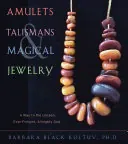
More Free Occult Philosophy Books
View all →