Amon
 77
77

Amon
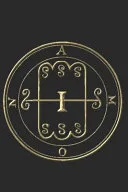
The 'Amon' journal presents a utilitarian approach to a deeply personal aspect of magical practice: the recording of ritualistic encounters. Its straightforward 6x9, 100-page format, complete with the entity's sigil, is functional. The blurb correctly identifies its purpose as a dedicated space for documenting evocation experiences, a critical step often overlooked by less disciplined practitioners. The sigil's dual role as both a cover element and potential invocation aid is a practical design choice, though its efficacy as a standalone tool is debatable and dependent on the practitioner's skill. A limitation, however, is the lack of any guidance or structure within the journal itself; it is a blank slate, expecting the user to bring their own methodology. While the emphasis on private recording is sound, the work offers no interpretive framework for the experiences documented. The strength lies in its directness and its focus on the tangible act of recording, a necessary component for any serious student of ceremonial magic. Ultimately, Amon serves its intended purpose as a dedicated notebook, but it is the practitioner's engagement with its pages, rather than the journal itself, that holds the esoteric weight.
📝 Description
77
Amon, a 2019 journal, provides a dedicated space for recording entity evocations.
Amon is a 6x9 inch, 100-page journal created for practitioners of ceremonial magic, specifically those who work with entity evocation. Its design focuses on practicality, offering a portable and organized way to document ritualistic experiences. The journal's cover features an entity's sigil, suggesting it might also function as a tool for invocation. This book is for individuals deeply involved in esoteric practices, particularly demonolatry or spirit evocation, who value thorough record-keeping of their magical work. It offers a private and secure method for tracking progress, insights, and personal encounters with entities. The target user is someone who performs rituals regularly and needs a specific, accessible notebook for these often complex and personal endeavors, moving beyond general diaries or scattered notes.
The journal's format encourages meticulous documentation of magical workings. Practitioners can log details of rituals, observations during evocation, and the outcomes of their work. This systematic approach aids in understanding personal magical patterns and refining techniques. The physical layout is intended to be straightforward, allowing users to focus on their practice without the distraction of overly complex or decorative elements. It serves as a private archive for the practitioner's magical life.
The practice of documenting magical operations stretches back centuries, evident in historical grimoires and the personal diaries of occultists. Figures like John Dee kept detailed records of their communications. The late 19th and early 20th centuries saw a renewed focus on systematic magical practice within groups like the Hermetic Order of the Golden Dawn and with figures such as Aleister Crowley. Amon continues this tradition of personal magical documentation for contemporary practitioners.
💡 Why Read This Book?
• Gain a dedicated, private space for meticulously documenting your evocation rituals with Amon, moving beyond scattered notes to a structured personal grimoire. • Utilize the included sigil, a recognized symbolic form, potentially enhancing focus and aiding in your ritualistic work with this specific entity. • Cultivate disciplined self-reflection by consistently recording and reviewing your magical experiences, fostering deeper understanding and progress in your esoteric path.
⭐ Reader Reviews
Honest opinions from readers who have explored this book.
❓ Frequently Asked Questions
What is the primary purpose of the Amon journal?
The Amon journal is designed as a dedicated notebook for practitioners of ceremonial magic to record their experiences during the evocation of the entity Amon. It provides a structured and private space for documenting rituals, thoughts, and insights.
Is the sigil on the cover just decorative?
No, the sigil is intended to function as an evocation tool. It serves as a visual focus and a recognized symbolic representation of Amon, potentially aiding the practitioner during rituals.
What are the physical dimensions and page count of the journal?
The journal measures 6x9 inches and contains 100 pages, offering a convenient size for portability and ample space for detailed record-keeping of magical operations.
Who is the intended audience for this journal?
The journal is intended for individuals actively engaged in esoteric practices, particularly those focusing on spirit evocation and demonolatry who value detailed documentation of their magical work.
When was the book Amon first published?
The book Amon was first published on November 10, 2019.
Does the journal offer prompts or guidance for recording experiences?
The journal is primarily a blank notebook designed for personal documentation. It does not typically include specific prompts or guided exercises, expecting the user to bring their own methodology for recording their ritual experiences.
🔮 Key Themes & Symbolism
Ritual Documentation
The central theme is the critical importance of maintaining a detailed, personal record of magical operations. This journal facilitates the systematic logging of rituals, including preparations, procedures, observations, and subjective experiences. By providing a dedicated space, it encourages practitioners to move beyond ephemeral notes, fostering a more disciplined approach to understanding the nuances of their magical work and the entities they interact with. This practice aligns with historical occult traditions emphasizing meticulous record-keeping.
Evocation Practice
The journal is specifically tailored for the practice of evocation, the ritualistic summoning of spirits or entities. It presupposes the user's engagement with such practices, particularly concerning the entity named Amon. The format is intended to capture the specific energies, communications, and environmental factors relevant to successful evocation, serving as a practical tool to refine and analyze these complex magical undertakings.
Sigil as Focus
Amon's sigil is presented not merely as a design element but as an active component of the ritual process. In esoteric traditions, sigils are symbolic representations charged with intent, often used as keys to unlock communication or manifestation. The journal leverages this principle, suggesting the sigil on its cover can serve as a focal point during evocation, aiding concentration and potentially facilitating a connection with the entity.
Personal Gnosis
The act of recording and reviewing one's magical experiences is framed as a pathway to personal gnosis—direct, intuitive knowledge. By documenting the subjective and objective elements of rituals, practitioners can analyze patterns, identify personal biases, and gain deeper insights into the nature of consciousness and the occult realms. The journal becomes a repository of self-discovered knowledge, unique to the individual practitioner's journey.
💬 Memorable Quotes
Direct passages from the work, attributed to the author.
“This small notebook is perfect for recording your experiences and thoughts when doing rituals.”
— This highlights the journal's utility and portability, positioning it as an essential companion for practitioners during the act of performing rituals, ensuring immediate capture of critical details.
“Don't be left scrambling for notepaper when you can have this at hand.”
— This emphasizes the convenience and preparedness the journal offers, contrasting it with disorganized alternatives and underscoring the need for readily available documentation during significant magical work.
“You can always reflect back at any time by reading your past experiences in this convenient book.”
— This points to the long-term value of the journal as a record for retrospective analysis, enabling practitioners to revisit and learn from their past magical endeavors to inform future practices.
“The sigil also acts as an evocation tool.”
— This statement articulates the dual function of the journal's cover design, suggesting the sigil is not merely decorative but an active element intended to aid in the ritualistic summoning process.
💡 Key Ideas
Editorial paraphrase of the work's core concepts — not direct quotes.
The perfect 6 x 9 100 page journal for writing your evocation experiences with the following demon.
This quote directly states the journal's purpose: a practical tool for recording specific magical operations related to entity evocation, emphasizing its physical specifications and target use.
🌙 Esoteric Significance
Tradition
This journal aligns with the broader tradition of ceremonial magic, which encompasses practices derived from Hermeticism, Kabbalah, and grimoire magic. It specifically caters to practitioners engaged in Thelemic or Goetic-style evocation, focusing on direct interaction with named entities. While not presenting new doctrine, it serves as a practical implement within these established lineages, emphasizing the necessity of disciplined record-keeping, a principle valued across various esoteric schools from medieval grimoires to modern occult orders.
Symbolism
The primary symbol is the sigil of Amon. In demonological traditions, Amon is often depicted as a Marquis of Hell, appearing as a wolf-headed man with a serpent's tail, or sometimes with a raven's head. His sigil serves as a visual anchor, a condensed symbolic representation used to focus the magician's will and intent during invocation. The journal itself, as a blank book, symbolizes potentiality and the practitioner's unfolding journey, ready to be inscribed with personal gnosis.
Modern Relevance
Contemporary practitioners of ceremonial magic, demonolatry, and chaos magic often draw upon the principles of structured journaling exemplified by such tools. Thinkers and practitioners within these fields continue to emphasize the importance of documenting personal magical experiences for self-development and efficacy. The 'Amon' journal, by providing a dedicated space, supports modern occultists seeking to refine their techniques, analyze results, and integrate esoteric practices into their daily lives, reflecting an enduring need for tangible aids in spiritual work.
👥 Who Should Read This Book
• Practitioners of ceremonial magic seeking a dedicated, private space to meticulously record their evocation rituals and experiences with entities like Amon. • Students of demonolatry or Goetia who value systematic documentation for tracking progress, analyzing patterns, and developing their personal magical system. • Occult researchers or diarists interested in creating a structured personal grimoire to document unique magical workings and subjective encounters with the supernatural.
📜 Historical Context
Published in 2019, Jd Books' 'Amon' journal emerges within a contemporary landscape heavily influenced by the occult revival movements of the late 19th and 20th centuries. Figures like Aleister Crowley, with his emphasis on systematic magical practice documented in works like the 'Book 4', and the foundational texts of the Hermetic Order of the Golden Dawn, set precedents for structured magical journaling. This journal echoes that need for disciplined record-keeping, adapting it for modern practitioners of ceremonial magic, particularly those interested in demonolatry, a path gaining renewed traction. While academic discourse around ceremonial magic was significantly shaped by scholars like Eliphas Lévi earlier in the 19th century, and later by figures like Dion Fortune, the practical application and personal documentation aspects continue to evolve independently. The rise of online communities and readily available grimoire texts further fuels this interest, making tools like the 'Amon' journal relevant for a generation seeking tangible methods to engage with esoteric traditions.
📔 Journal Prompts
Describe the initial appearance of Amon's sigil during the ritual.
Detail the atmospheric conditions and your emotional state upon beginning the evocation.
Record any specific phrases or concepts Amon communicated or seemed to imply.
Note any significant changes in your surroundings or energy during the ritual.
Reflect on how the sigil's presence influenced the overall ritual dynamic.
🗂️ Glossary
Evocation
A ritualistic practice involving the summoning or invocation of a spirit, deity, or entity, typically with the intent of direct communication or interaction.
Sigil
A symbolic representation, often a complex glyph or design, created to represent a specific entity, concept, or magical intent, used as a focal point in ritual.
Amon
A demon listed in various grimoires, often described as a Marquis of Hell with specific attributes and a distinct sigil, associated with knowledge and reconciliation.
Ritual
A set sequence of actions, words, or ceremonies performed in a prescribed order, typically for religious, magical, or symbolic purposes.
Ceremonial Magic
A broad category of magical practices that involve structured rituals, often incorporating elements of symbolism, invocation, and specific procedures to achieve desired outcomes.
Gnosis
Direct, intuitive knowledge or spiritual insight, often considered a higher form of understanding achieved through mystical experience rather than purely intellectual means.
Practitioner
An individual actively engaged in the study and application of a particular discipline, especially in fields like magic, medicine, or law.