A Beginner's Guide to Tarot: Your Guide to the Cards
 83
83

A Beginner's Guide to Tarot: Your Guide to the Cards
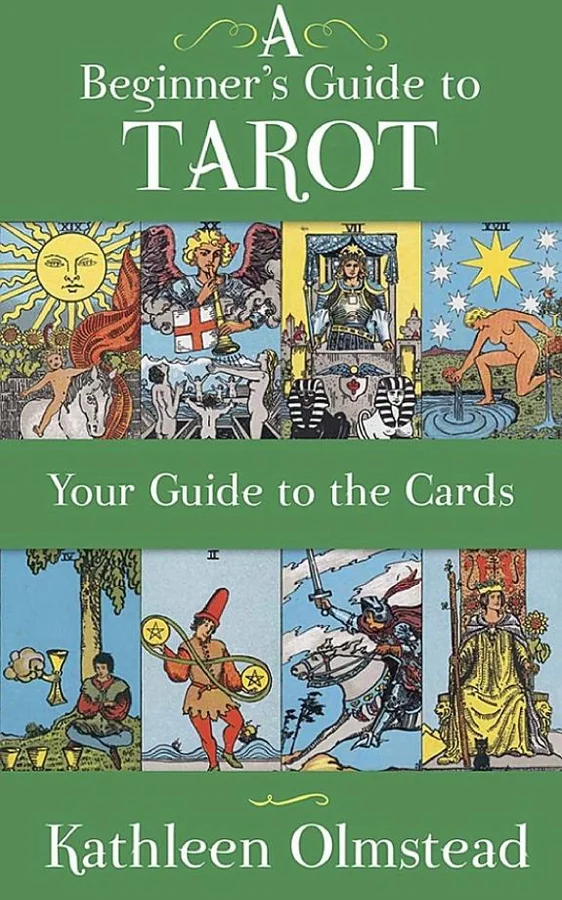
Kathleen Olmstead’s *A Beginner’s Guide to Tarot* tackles the ambitious task of making the 78-card deck comprehensible. The book's primary strength lies in its unpretentious clarity; it avoids overly esoteric jargon, presenting definitions for the Major and Minor Arcana in a manner that feels genuinely accessible. For instance, the straightforward explanation of The Fool as representing new beginnings and leaps of faith, rather than simply a 'foolish' concept, is a good starting point. However, the book's brevity, while an advantage for beginners, means it offers limited depth. Experienced practitioners might find the interpretations somewhat superficial, lacking the nuanced layers often found in more advanced texts. The guide's treatment of the court cards, while present, could benefit from more exploration of their dynamic interplay. Ultimately, for the absolute novice, this book serves as a functional, if not deeply profound, entry point into the world of tarot.
📝 Description
83
Kathleen Olmstead's 2015 guide to tarot offers a clear entry point to understanding the 78 cards.
A Beginner's Guide to Tarot, published in July 2015, aims to make the 78 cards of the tarot deck understandable for new practitioners. The book breaks down the Major and Minor Arcana, giving readers specific meanings and interpretations for each card. Olmstead's goal is to give readers the basic knowledge needed to start performing their own tarot readings and to develop their personal understanding of the cards.
This book is written for people who are just beginning their study of tarot. It is for anyone with little to no past experience in reading cards who wants a simple introduction. The text uses clear language and a logical structure, making it suitable for those interested in divination, personal development, or simply exploring tarot for self-discovery and insight into areas like relationships and career.
Olmstead's 2015 guide appears during a modern revival of interest in divination. It follows in the tradition established by Arthur Edward Waite and Pamela Colman Smith, whose Rider-Waite deck from 1909 became a standard. Unlike texts that focus heavily on historical details or academic study, often stemming from groups like the Hermetic Order of the Golden Dawn, this book seeks to present tarot's core concepts to a wide audience, making interpretation accessible.
💡 Why Read This Book?
• Learn the core meanings of all 78 cards, from The Fool to The Ten of Pentacles, providing a direct interpretive framework for your first readings, as detailed in the card definitions. • Understand the fundamental division between the Major Arcana's archetypal lessons and the Minor Arcana's daily life reflections, a distinction crucial for contextualizing readings. • Gain a practical method for interpreting card combinations, moving beyond single-card meanings to build coherent narratives relevant to personal questions about friendships or careers.
⭐ Reader Reviews
Honest opinions from readers who have explored this book.
❓ Frequently Asked Questions
What is the difference between the Major and Minor Arcana in tarot?
The Major Arcana, typically 22 cards, represent significant life lessons and archetypal energies. The Minor Arcana, 56 cards divided into four suits, reflect daily events, challenges, and circumstances.
How does Kathleen Olmstead's guide explain the four suits?
The book explains the four suits—Wands, Cups, Swords, and Pentacles—as representing different areas of life: Wands for passion and creativity, Cups for emotions and relationships, Swords for intellect and conflict, and Pentacles for material matters and security.
Is this book suitable for someone who has never seen a tarot deck before?
Yes, *A Beginner's Guide to Tarot* is specifically written for novices. It provides clear definitions and an introduction to the function of each card, making it an accessible first step.
When was A Beginner's Guide to Tarot first published?
Kathleen Olmstead's *A Beginner's Guide to Tarot: Your Guide to the Cards* was first published on July 7, 2015.
What are the court cards in tarot, and how are they explained?
The court cards (Page, Knight, Queen, King) are explained as figures representing people or personality aspects. Each suit's court cards offer unique perspectives on those suit's themes, from youthful energy to mature mastery.
Can this guide help with understanding relationships or career questions?
Absolutely. The book's introduction states that tarot has been used for centuries to gain insight into friendships, careers, love lives, and self-understanding, and this guide provides the tools to approach such questions.
🔮 Key Themes & Symbolism
The Two Arcana
The fundamental structure of the tarot deck is explored through the distinction between the Major Arcana and the Minor Arcana. The Major Arcana are presented as the archetypal journey of the soul, encompassing significant life events and spiritual lessons, often beginning with The Fool. The Minor Arcana, comprising four suits (Wands, Cups, Swords, Pentacles), are depicted as the everyday occurrences and challenges encountered along this journey, offering practical guidance for specific situations and relationships.
Card Interpretation Framework
Olmstead's work establishes a clear framework for interpreting individual tarot cards. It provides definitions for each of the 78 cards, focusing on their core meanings. The emphasis is on equipping the beginner with a foundational understanding of what each card signifies, enabling them to begin assembling readings. This approach clarifies the process, making it accessible for those new to divination and symbolic language.
Tarot for Self-Discovery
The book positions tarot as a tool for introspection and personal growth. It suggests that by understanding the cards, readers can gain insight into their friendships, careers, love lives, and inner selves. This perspective highlights tarot not merely as a predictive system, but as a mirror reflecting aspects of the querent's life and psyche, facilitating self-awareness and potential transformation.
The Four Suits
A significant theme is the breakdown of the Minor Arcana into its four distinct suits: Wands, Cups, Swords, and Pentacles. Each suit is associated with specific elements and life domains—Wands with creativity and action, Cups with emotions and relationships, Swords with intellect and conflict, and Pentacles with the material world and stability. Understanding these suit correspondences is presented as crucial for nuanced interpretation.
💬 Memorable Quotes
Direct passages from the work, attributed to the author.
“Unlock life's mysteries and hidden paths with this quick and easy guide to the major and minor arcana.”
— This opening statement sets the book's intention: to serve as an accessible entry point for understanding the core components of the tarot deck and their potential for revealing insights.
“With definitions for each of the major and minor arcana, A Beginner’s Guide to Tarot: Your Guide to the Cards has everything you need to understand and interpret the meaning of each of the cards.”
— This highlights the book's direct, informational approach, promising comprehensive yet simple definitions as the primary tool for beginner interpretation.
“For centuries, people have turned to tarot to discover more about their friendships, their careers, their love lives, and themselves.”
— This emphasizes the long-standing human tradition of using tarot for guidance across various life domains, positioning the practice within a historical continuum of self-inquiry.
“Tarot can help you forge deeper relationships with those who are im”
— This snippet suggests a benefit of tarot practice – enhancing interpersonal connections – by offering a means to understand oneself and others more profoundly.
💡 Key Ideas
Editorial paraphrase of the work's core concepts — not direct quotes.
This quick and easy guide has everything you need to understand and interpret the meaning of each of the cards.
This paraphrased concept reinforces the book's promise of completeness for beginners, focusing on the practical acquisition of knowledge for card interpretation.
🌙 Esoteric Significance
Tradition
This work functions as an introductory text within the Western esoteric tradition, specifically as it pertains to cartomancy. While not deeply rooted in a specific lineage like Kabbalah or Hermeticism, it draws upon the established structure of the 78-card tarot deck, which has been codified and popularized by figures influential in these traditions, notably Arthur Edward Waite. Its departure lies in its explicit focus on accessibility for a modern, general audience, prioritizing clarity over intricate symbolic mapping often found in older grimoires or esoteric commentaries.
Symbolism
The book introduces fundamental tarot symbolism through the archetypes of the Major Arcana, such as The Magician representing will and manifestation, and The High Priestess embodying intuition and hidden knowledge. It also covers the elemental correspondences of the Minor Arcana suits: Wands (Fire, action, spirit), Cups (Water, emotion, relationships), Swords (Air, intellect, conflict), and Pentacles (Earth, material world, stability). These core symbols form the basis for understanding the narrative potential of a tarot spread.
Modern Relevance
Olmstead's guide is relevant today as a gateway for individuals drawn to contemporary spiritual and self-help movements that incorporate divination. Practices like mindfulness and personal development often intersect with tarot, where it's used for self-reflection rather than strict prediction. Its straightforward approach makes it a useful reference for those exploring modern witchcraft, intuitive development, or simply seeking accessible tools for personal insight in a secularized spiritual landscape.
👥 Who Should Read This Book
• Absolute beginners to tarot seeking a clear, uncomplicated introduction to the 78 cards and their basic meanings. • Individuals interested in using tarot for self-reflection and personal insight, particularly concerning friendships, careers, or relationships. • Students of esoteric symbolism who require a foundational text before engaging with more complex historical or philosophical interpretations of the tarot.
📜 Historical Context
Published in 2015, Kathleen Olmstead's guide emerged during a period of renewed popular engagement with divination and esoteric studies. This era saw a significant increase in accessible literature on subjects previously confined to niche circles. While figures like A.E. Waite and Pamela Colman Smith revolutionized tarot imagery in 1909 with the Rider-Waite deck, Olmstead's work targets a contemporary audience seeking straightforward introductions, contrasting with the more complex symbolic systems explored by occult orders like the Hermetic Order of the Golden Dawn in the late 19th and early 20th centuries. The proliferation of online resources and a general cultural openness to alternative spiritualities provided fertile ground for such beginner-friendly guides, distinguishing them from historical or academic analyses of occultism.
📔 Journal Prompts
The Fool's journey from 0 to the World: map key lessons learned.
Reflect on The High Priestess and its relation to your intuition.
Analyze the role of Swords in your current challenges.
Consider the meaning of The Emperor in your approach to structure.
Explore the symbolism of Pentacles in relation to your material security.
🗂️ Glossary
Major Arcana
The set of 22 trump cards in a tarot deck, representing significant life events, archetypal themes, and spiritual lessons. They are often seen as the soul's journey.
Minor Arcana
The 56 cards of a tarot deck, divided into four suits (Wands, Cups, Swords, Pentacles). These cards represent daily events, challenges, and circumstances.
Arcana
A general term referring to the cards of the tarot deck, encompassing both the Major and Minor Arcana, often implying hidden knowledge or mysteries.
Wands
One of the four suits in the Minor Arcana, typically associated with the element of Fire, representing passion, creativity, inspiration, and action.
Cups
One of the four suits in the Minor Arcana, associated with the element of Water, representing emotions, relationships, intuition, and love.
Swords
One of the four suits in the Minor Arcana, associated with the element of Air, representing intellect, thoughts, conflict, challenges, and truth.
Pentacles
One of the four suits in the Minor Arcana, associated with the element of Earth, representing material possessions, finances, work, health, and stability.
This book appears in 1 collection
🔮 Readers Also Liked
Browse all →









From the “Minor Arcana” Collection
View all →







More Free Occult Philosophy Books
View all →