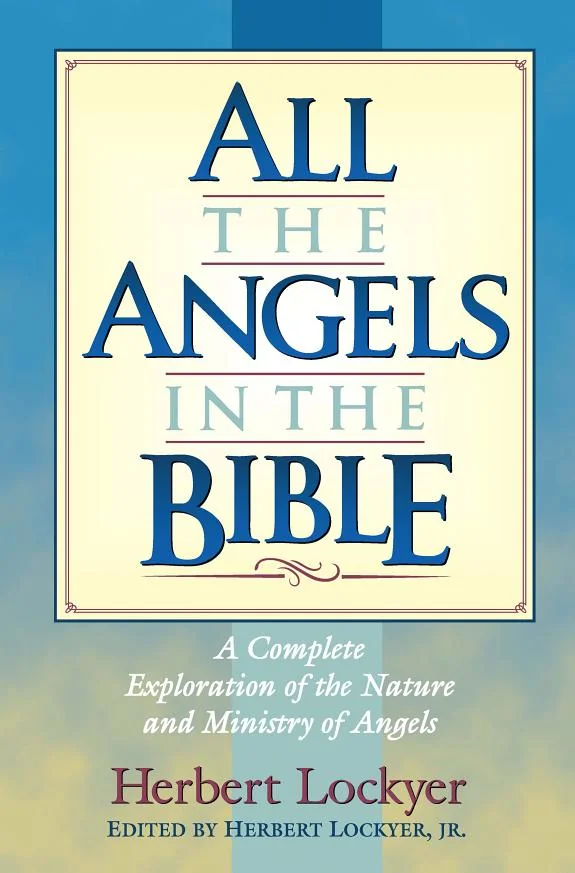
All the Angels in the Bible
 71
71

All the Angels in the Bible
Herbert Lockyer, Jr.'s "All the Angels in the Bible" attempts a monumental task: cataloging every angelic mention in scripture. Its strength lies in its sheer comprehensiveness, presenting a systematic, almost encyclopedic, overview of biblical angelology. Lockyer traces angelic encounters from Adam and Eve in Eden through to the Book of Revelation, offering detailed accounts of their interactions with figures like Daniel and John. However, the work’s dedication to exhaustive detail can sometimes lead to a somewhat dry, academic tone. While it is laudably scriptural, it occasionally lacks the interpretive depth that might fully explore the profound theological implications of these celestial encounters. The section detailing the Cherubim and Seraphim, for instance, is informative but stops short of exploring the deeper mystical traditions associated with these powerful beings. It serves as an unparalleled reference for the factual presentation of biblical data on angels, but less so for speculative or comparative angelology. A solid, if uninspired, compilation for the dedicated researcher.
📝 Description
71
Herbert Lockyer's 1995 volume meticulously catalogs biblical angels from creation to eschatology.
Herbert Lockyer and Herbert Lockyer Jr.'s "All the Angels in the Bible" systematically examines biblical accounts of celestial beings. The authors present angels not as abstract ideas but as active figures in human history, from the beginning to the end times. The book serves as a comprehensive inventory of every mention of angels, detailing their roles and messages throughout the Old and New Testaments.
This work is intended for theologians, biblical scholars, pastors, and serious students of scripture. It is for those who want detailed, scripturally grounded information about angelology. Lay readers seeking a factual understanding of biblical angel narratives, rather than speculative or devotional interpretations, will also find it useful. Researchers of historical angelology or those preparing sermons will benefit from its reference material.
This book belongs to the "All" series, which continues a tradition of detailed biblical exposition rooted in conservative evangelical hermeneutics. This approach prioritizes a literal interpretation of the biblical text. The series itself has roots in comprehensive biblical studies that gained traction throughout the 20th century. The 1995 publication date reflects a time when systematic theological works still held a dedicated audience, focusing on empirical analysis of scripture.
💡 Why Read This Book?
• Understand the specific roles of Cherubim and Seraphim as described in scripture, moving beyond generalized notions of angelic functions. • Trace the historical progression of angelic interactions from the Garden of Eden narrative to the prophetic visions recorded by John in the Book of Revelation. • Gain detailed knowledge of the diverse manifestations and messages of angels, as presented through Lockyer's exhaustive compilation of biblical accounts, providing a factual foundation for study.
⭐ Reader Reviews
Honest opinions from readers who have explored this book.
❓ Frequently Asked Questions
When was "All the Angels in the Bible" first published?
The original publication date for "All the Angels in the Bible" by Herbert Lockyer and Herbert Lockyer, Jr. was 1995. This edition builds upon the legacy of the "All" series which has been a resource for biblical studies for many years.
What is the primary focus of Herbert Lockyer's book on angels?
The book's primary focus is to provide a comprehensive and scripturally faithful examination of all mentions and roles of angels within the Bible, detailing their interactions with humanity from the earliest accounts to the end times.
Does the book discuss different types of angels?
Yes, "All the Angels in the Bible" discusses various classifications of angelic beings mentioned in scripture, such as Cherubim and Seraphim, detailing their specific descriptions and attributed functions.
Who is the intended audience for this book?
The book is intended for pastors, theologians, biblical scholars, students of scripture, and laypeople who desire a detailed, factual, and systematic understanding of angelology based solely on biblical texts.
What time period does the book cover regarding angelic encounters?
The book covers angelic encounters throughout the entire biblical timeline, starting with the first parents, Adam and Eve, in the Garden of Eden, and extending to the final prophetic words spoken to the Apostle John.
Is this book based on speculation or biblical text?
Herbert Lockyer's work is grounded strictly in biblical text, aiming for a comprehensive and faithful treatment of the subject matter as presented within the scriptures, avoiding speculative interpretations.
🔮 Key Themes & Symbolism
Angelic Messengers and Divine Communication
The work systematically details instances where angels act as divine messengers, conveying critical information and commands from God to humanity. From the Annunciation to Mary to the revelations given to prophets like Daniel, the book highlights angels' role as conduits of the divine will. It underscores how these celestial communications often marked important moments in salvation history, guiding individuals and nations. The focus remains on the content and impact of these messages as recorded in scripture, emphasizing their authoritative nature.
Classes of Celestial Beings
Lockyer's research meticulously categorizes and describes the different orders and types of angels presented in the Bible. It differentiates between beings like the Seraphim, with their six wings and constant cry of 'Holy, Holy, Holy,' and the Cherubim, often depicted as guardians of sacred spaces like the Garden of Eden and the Ark of the Covenant. The book examines their unique attributes, their functions within the heavenly host, and their specific appearances and roles in biblical narratives, providing a structured understanding of the angelic hierarchy.
Angels in Spiritual Warfare
A significant theme explored is the active involvement of angels in spiritual conflicts. The book references accounts where angels are depicted as warriors, fighting against malevolent spiritual forces or acting as protectors of God's people. Examples include Michael the Archangel's confrontations described in the Book of Daniel. This aspect highlights the dynamic and often combative role angels play in the unfolding divine plan, emphasizing their allegiance to God and their part in establishing His kingdom on earth and in the heavenly realms.
Humanity's Encounters with Angels
The compilation traces the history of human-angelic interaction from the very beginning of humankind. It details encounters with figures like Adam and Eve, Abraham, Lot, Jacob, Gideon, Elijah, and numerous others. The book analyzes the nature of these interactions, noting the awe, fear, and divine reassurance experienced by humans. It emphasizes that these encounters were not random but divinely orchestrated events designed to guide, protect, warn, or empower individuals according to God's purposes.
💬 Memorable Quotes
Direct passages from the work, attributed to the author.
“Angels are described as God's messengers, carrying out His will.”
— This highlights the primary function of angels as divine intermediaries. Their existence and actions are entirely subordinate to and directed by God's sovereign plan, serving as His agents in communicating with and acting upon the human realm.
“The Seraphim's cry: 'Holy, Holy, Holy is the Lord Almighty.'”
— This refers to an important vision in Isaiah 6, showcasing the Seraphim's intense focus on God's holiness and glory. It emphasizes the purity and reverence that characterize the highest angelic beings in their worship.
“Cherubim guarded the entrance to the Garden of Eden.”
— This points to the Cherubim's role as protectors of sacred spaces and divine presence. Their placement after Adam and Eve's expulsion signifies their function in maintaining the sanctity of God's presence and preventing unauthorized access.
“Angels have appeared to men and women through thousands of years.”
— This statement underscores the continuous involvement of angelic beings throughout biblical history, demonstrating their consistent presence and agency in God's dealings with humanity across different eras and covenants.
“Michael the Archangel fought against demonic forces.”
— This references the concept of spiritual warfare as depicted in texts like Daniel, where Michael is presented as a chief prince and warrior actively engaged in conflict with opposing spiritual powers on behalf of God's people.
🌙 Esoteric Significance
Tradition
While Herbert Lockyer's work is firmly rooted in a conservative evangelical, literalist interpretation of the Bible, its exhaustive cataloging of angelic beings and their functions touches upon elements that resonate with broader esoteric traditions. Many esoteric lineages, such as Kabbalah and certain branches of Hermeticism, place significant emphasis on angelic hierarchies and their roles as intermediaries between the divine and material realms. Lockyer's systematic approach, though not explicitly esoteric, provides a foundational scriptural map that esoteric practitioners can reference to understand the biblical basis for figures and concepts they may explore through other mystical lenses.
Symbolism
The book meticulously details scriptural symbolism associated with angels. The Cherubim, for instance, are presented not just as guardians but as symbols of divine presence and power, often depicted with multiple faces (man, lion, ox, eagle) representing different aspects of creation and divine authority. Seraphim, with their emphasis on holiness and their ceaseless worship ('Holy, Holy, Holy'), symbolize ultimate purity and divine adoration. The flaming sword wielded by the Cherubim guarding Eden symbolizes divine justice and the separation from unholiness.
Modern Relevance
Contemporary thinkers and practitioners in fields like comparative religion, biblical studies, and even certain Christian mystical traditions continue to find value in Lockyer's foundational work. While not a direct source for modern esoteric practices, it serves as a crucial reference point for understanding the biblical source material that informs many angel-related beliefs. Those exploring the historical development of angelology or seeking to ground their understanding of spiritual beings in canonical scripture often turn to this type of comprehensive, text-based analysis.
👥 Who Should Read This Book
• Students of comparative religion and theology seeking to understand the biblical perspective on angels as a baseline for comparison with other traditions. • Pastors and preachers looking for detailed scriptural references and accounts of angelic appearances to inform sermons and biblical studies. • Devoted lay readers interested in a comprehensive, fact-based exploration of angelology directly from biblical sources, rather than speculative interpretations.
📜 Historical Context
Published in 1995, "All the Angels in the Bible" by Herbert Lockyer, Jr. belongs to the long-standing tradition of comprehensive biblical exposition that gained significant traction throughout the 20th century. This era saw a continued interest in systematic theology and detailed biblical reference works, particularly within evangelical and conservative Protestant circles. Lockyer's approach aligns with a literalist interpretation of scripture, a dominant hermeneutical stance in many American Protestant denominations during this period. While the mid-to-late 20th century also witnessed the rise of more critical biblical scholarship and diverse theological movements like liberation theology, Lockyer’s work remained a steadfast resource for those seeking traditional, text-focused angelology. It did not engage directly with the more speculative or esoteric interpretations of angelic beings found in New Age or some occult traditions, maintaining a clear boundary with contemporary mystical movements.
📔 Journal Prompts
The function of angels as messengers in the narratives of Daniel.
The symbolic representation of Cherubim and Seraphim in scripture.
Specific angelic encounters described from Abraham to John.
The concept of spiritual warfare involving figures like Michael the Archangel.
The role of angels in guarding sacred spaces, as seen with the Garden of Eden.
🗂️ Glossary
Angelology
The theological study of angels and other supernatural beings. It encompasses their nature, origin, functions, hierarchy, and interactions with the material world as described in religious texts.
Cherubim
A class of angelic beings mentioned frequently in the Bible, often associated with guarding sacred places (e.g., the Garden of Eden, the Ark of the Covenant) and representing God's presence and power.
Seraphim
A higher order of angelic beings described in Isaiah's vision, characterized by their six wings and their ceaseless cry of 'Holy, Holy, Holy.' They represent intense divine holiness and worship.
Archangel
A high-ranking angel, often depicted as a chief or leader among angels. Michael is frequently identified as an Archangel in biblical texts, notably involved in spiritual warfare.
Eschatology
The branch of theology concerned with the final events of history, or the ultimate destiny of humanity and the world. Angels play significant roles in many eschatological prophecies and descriptions.
Hermeneutics
The theory and methodology of interpretation, especially the interpretation of biblical texts. Lockyer's work employs a literalist hermeneutic.
Theophany
A visible manifestation or appearance of God or a divine being to humans. Angelic appearances are often considered forms of theophany or divine mediation.
This book appears in 1 collection
🔮 Readers Also Liked
Browse all →









From the “Angels” Collection
View all →






More Free Occult Philosophy Books
View all →