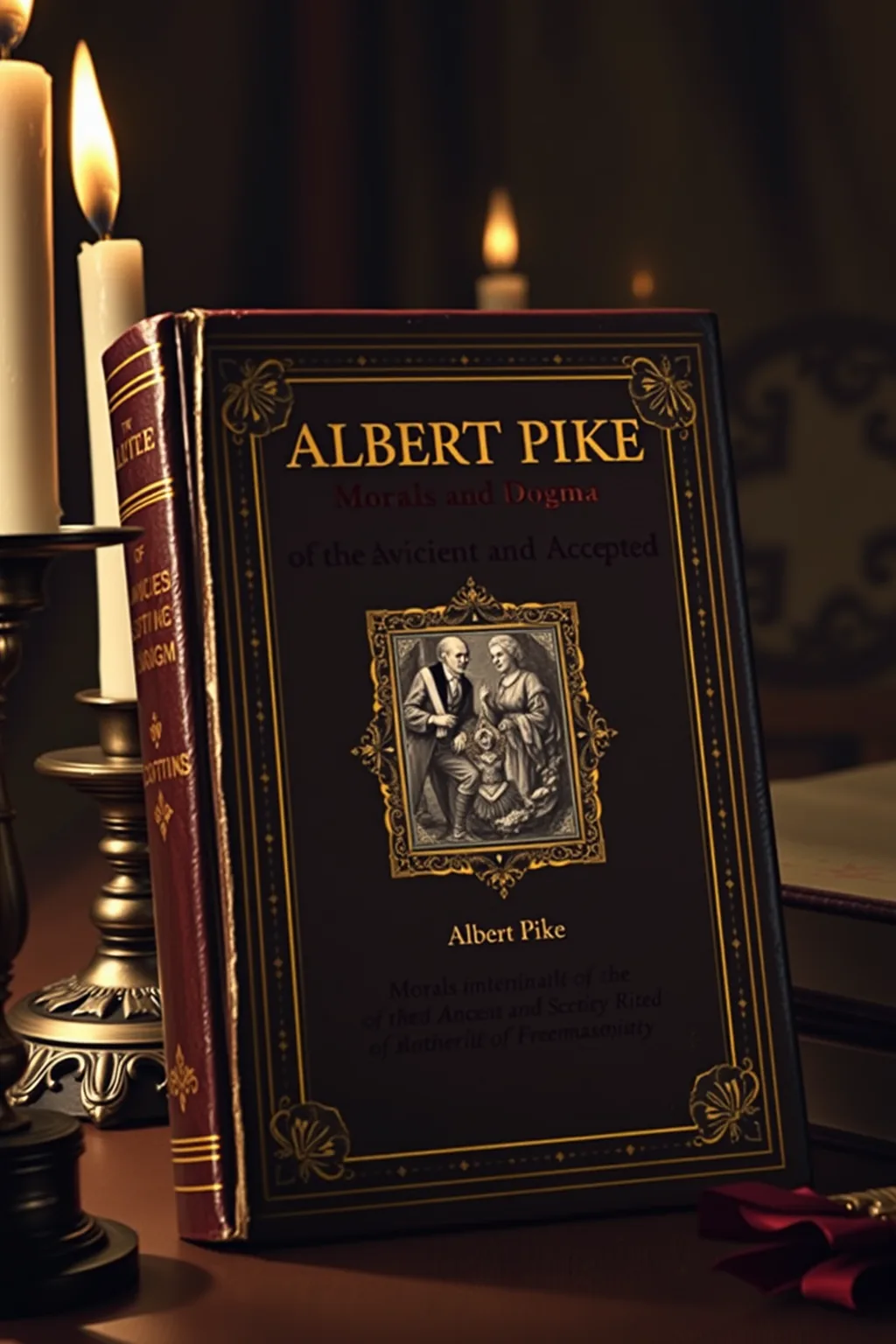
Albert Pike Morals And Dogma Of The Ancient And Accepted Scottish Rite Of Freemasonry
 71
71

Albert Pike Morals And Dogma Of The Ancient And Accepted Scottish Rite Of Freemasonry

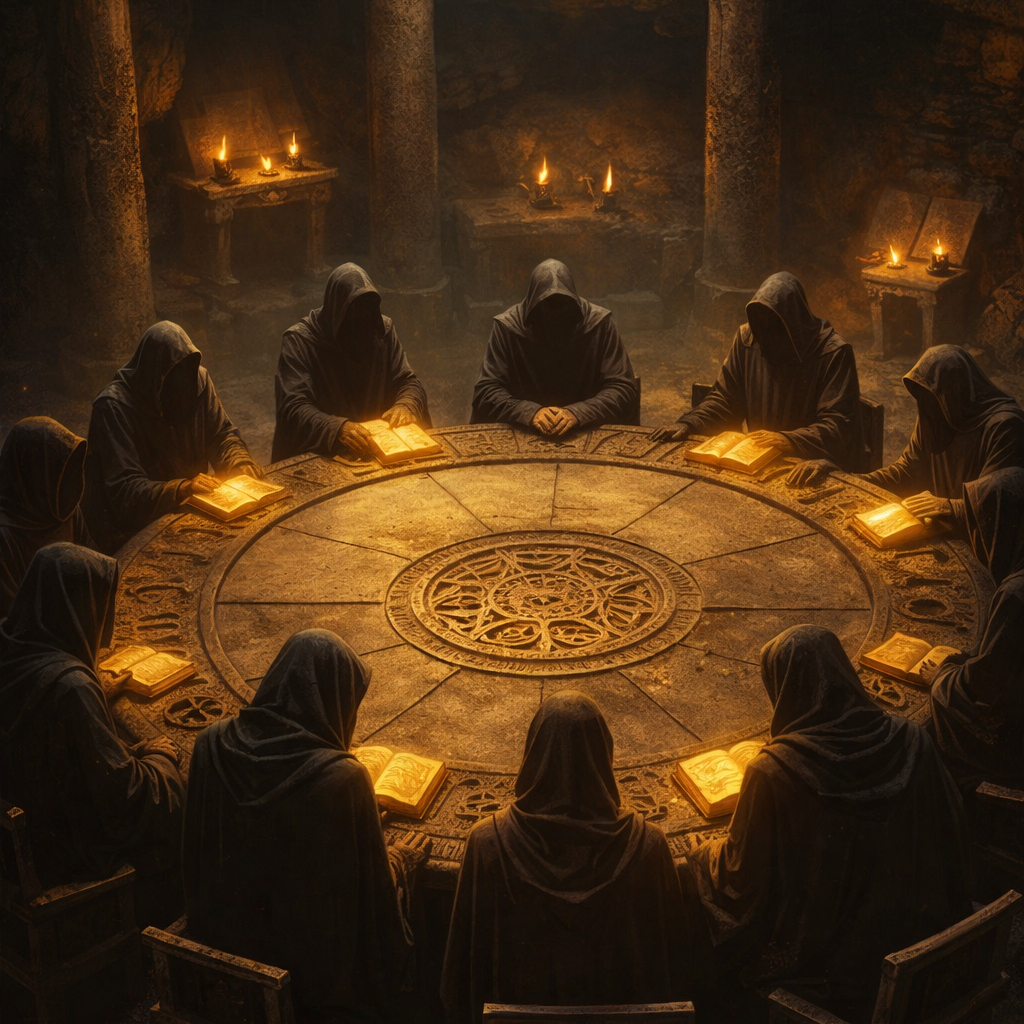

Albert Pike's 'Morals and Dogma of the Ancient and Accepted Scottish Rite of Freemasonry' is a foundational text for anyone delving into the esoteric and occult. Published in 1871, this book remains a cornerstone of Masonic literature, offering profound insights into the rituals and symbolism of the Scottish Rite. Pike's scholarship is evident in his meticulous exploration of each degree, providing readers with a comprehensive understanding of the esoteric teachings embedded within Freemasonry. The book's value lies in its ability to bridge the gap between historical context and spiritual enlightenment, making it an invaluable resource for modern esoteric seekers. While the language and structure may be challenging for some, the depth of knowledge and spiritual wisdom contained within these pages is unparalleled. For those willing to invest the time and effort, 'Morals and Dogma' offers a transformative journey into the heart of Masonic mysticism.
📝 Description
71
Albert Pike published 'Morals and Dogma' in 1871, compiling the teachings of the Scottish Rite.
Albert Pike's 'Morals and Dogma' serves as a comprehensive exposition of the teachings within the Ancient and Accepted Scottish Rite of Freemasonry. Published in 1871, the book systematically details the moral and philosophical lessons associated with each of the 32 degrees of the Rite. Pike draws heavily on classical mythology, ancient religions, Kabbalah, Neoplatonism, and Christian symbolism to interpret Masonic allegories.
The text is structured around the rituals and degrees, with Pike using each as a framework for discussing broader themes of ethics, spirituality, and the nature of truth. He connects Masonic symbolism to a wide array of historical and philosophical traditions, aiming to guide the initiate toward self-knowledge and moral improvement. The book is not merely a historical record but a philosophical treatise intended to illuminate the 'dogma' or core beliefs underlying the Masonic system.
Published in 1871, 'Morals and Dogma' is a key text within 19th-century esoteric Freemasonry. Pike synthesized a vast range of philosophical and religious ideas, including Hermeticism, Gnosticism, Kabbalah, and classical mystery traditions, into the framework of the Scottish Rite. Its detailed examination of symbolism and allegory aimed to present Freemasonry as a coherent system of moral and spiritual instruction rooted in ancient wisdom. The book reflects the era's interest in comparative mythology and the search for universal truths across diverse cultures and spiritual paths.
💡 Why Read This Book?
Reading 'Morals and Dogma' today offers a unique opportunity to explore the esoteric traditions that have shaped Western thought. This book provides a deep understanding of Freemasonry's rituals and symbols, enriching one's spiritual and intellectual journey. It is particularly valuable for those interested in secret societies, occult symbolism, and the hidden wisdom of ancient cultures. By engaging with Pike's teachings, readers can gain insights into moral perfection, spiritual enlightenment, and the enduring mysteries of Freemasonry.
⭐ Reader Reviews
Honest opinions from readers who have explored this book.
❓ Frequently Asked Questions
Is 'Morals and Dogma' only for Freemasons?
While it is a key text for Freemasons, 'Morals and Dogma' is also valuable for anyone interested in esoteric and occult studies. It provides deep insights into the symbolism and rituals of the Scottish Rite.
What are the main themes in 'Morals and Dogma'?
The main themes include the pursuit of moral perfection, spiritual enlightenment, and the exploration of ancient symbolism. Pike delves into the rituals and teachings of the Scottish Rite, offering a comprehensive guide to Masonic wisdom.
Is 'Morals and Dogma' difficult to read?
The book can be challenging due to its dense language and historical context. However, the depth of knowledge and spiritual insights make it a rewarding read for those interested in esoteric studies.
🔮 Key Themes & Symbolism
Symbolism in Freemasonry
Pike's work is a deep dive into the detailed symbolism of Freemasonic rituals and emblems. Each symbol is imbued with layers of meaning, revealing the hidden knowledge and moral teachings of the Scottish Rite. From the Square and Compasses to the All-Seeing Eye, Pike unpacks the esoteric significance of these icons, providing a profound understanding of their role in Freemasonry.
Moral Teachings
At the heart of 'Morals and Dogma' are the moral lessons embedded within Freemasonic rituals. Pike explores the philosophical significance of initiation rites, highlighting the moral virtues and ethical principles that guide Freemasons. These teachings offer a roadmap for personal growth and spiritual enlightenment, making the book a valuable guide for seekers of wisdom.
Esoteric Knowledge
Pike's work is a rich source of esoteric knowledge, looking at the occult traditions and hidden wisdom of Freemasonry. The book reveals the mystical dimensions of Freemasonic thought, offering insights into the ancient rituals and symbolism that have captivated seekers of hidden truths for centuries. This esoteric content makes 'Morals and Dogma' an essential read for scholars and practitioners of the occult.
💬 Memorable Quotes
Direct passages from the work, attributed to the author.
“Masonry is a success, not a failure. It is an ark which bears human society safely over the deluge.”
— Pike emphasizes the enduring relevance of Freemasonry in guiding humanity through turbulent times.
“The true Mason is not a mere mechanical routine performer of Masonic ceremonies.”
— He highlights the depth of understanding required for genuine Freemasonic practice.
“Masonry is the guardian of the mysteries, the depositary of the great and sacred verities.”
— Pike's view of Freemasonry as a protector of hidden truths and sacred knowledge.
“The true Mason values no possession so much as that of knowledge.”
— He emphasizes the primacy of knowledge and wisdom in Freemasonic teachings.
💡 Key Ideas
Editorial paraphrase of the work's core concepts — not direct quotes.
Masonry is the sublimed essence of all the religions and philosophies, ancient and modern.
This quote underscores the universal and timeless wisdom embedded within Freemasonry.
🌙 Esoteric Significance
Tradition
Albert Pike's 'Morals and Dogma' belongs to the Hermetic and Gnostic traditions, drawing on ancient mystical philosophies to explore the depths of Freemasonic thought. It is a key text in the study of esoteric knowledge, offering insights into the occult dimensions of Freemasonry.
Symbolism
Key symbols in 'Morals and Dogma' include the Square and Compasses, the All-Seeing Eye, and various Masonic emblems. These symbols are imbued with layers of meaning, revealing the hidden wisdom and moral teachings of the Scottish Rite. Pike's work unravels the esoteric significance of these icons, providing a profound understanding of their role in Freemasonry.
Modern Relevance
Today, 'Morals and Dogma' continues to be a vital resource for scholars and practitioners of the occult. Its timeless insights into Freemasonic symbolism and rituals make it relevant for modern seekers of hidden truths. Contemporary Freemasons and occult scholars often refer to Pike's work, highlighting its enduring significance in the study of esoteric traditions.
👥 Who Should Read This Book
Beginners may find the dense and esoteric content challenging but can gain a foundational understanding. Scholars of the occult will appreciate the depth of Pike's insights and the comprehensive exploration of Freemasonic symbolism. Spiritual seekers will find profound wisdom and moral teachings that guide personal growth. Practitioners of Freemasonry will benefit from the book's detailed analysis of rituals and emblems, enriching their understanding of the Scottish Rite.
📜 Historical Context
Written in the mid-19th century, 'Morals and Dogma' emerged during a time of great intellectual and spiritual ferment. The era saw a renewed interest in occult traditions, mystical philosophies, and esoteric knowledge. Pike's work captured the spirit of this age, providing a comprehensive exploration of Freemasonic symbolism and rituals. It has since become a foundational text for Freemasons and occult scholars, influencing generations of seekers and practitioners. Its enduring relevance lies in its timeless insights into the mystical dimensions of Freemasonry.
📔 Journal Prompts
Reflect on the significance of Masonic symbolism in your own spiritual journey.
How do the moral teachings of Freemasonry apply to your daily life?
What insights from 'Morals and Dogma' resonate with your understanding of esoteric traditions?
Consider the role of initiation rites in personal transformation.
Explore the ways in which Freemasonry's hidden wisdom can guide your spiritual quest.
🗂️ Glossary
All-Seeing Eye
A prominent Masonic symbol representing the eye of Providence, signifying divine watchfulness and wisdom.
Square and Compasses
A key emblem of Freemasonry, symbolizing the tools of a stonemason and representing moral rectitude and spiritual enlightenment.
Hermetic Tradition
An esoteric philosophy based on the teachings attributed to Hermes Trismegistus, emphasizing the unity of all things and the pursuit of hidden knowledge.
Gnostic Traditions
A collection of ancient religious beliefs emphasizing personal spiritual knowledge and direct experience of the divine.
Scottish Rite
A branch of Freemasonry known for its complex rituals and degrees, focusing on the philosophical and moral teachings of the craft.
This book appears in 2 collections
🔮 Readers Also Liked
Browse all →

![[Comte de Gabalis. English]. The diverting history of the Count de Gabalis: containing, I. An account of the Rosicrucian doctrine of spirits, viz. sylphs, salamanders, gnomes, and d¶mons; ... To which is prefix'd, Monsieur Bayle's account of this work, ... 1714](/img/thumb/comte-de-gabalis-english-the-diverting-history-of-the-count-de-gabalis-containing-i-an-account-of-the-rosicrucian-doctrine-of-spirits-viz-sylphs-salamanders-gnomes-and-d-mons-to-which-is-prefix-d-mons.webp)


More by Albert Pike
All books →





From the “Secret Societies” Collection
View all →



More Free Freemasonry & Secret Societies Books
View all →