Rassinier Debunking The Genocide Myth nwo illuminati freemasons
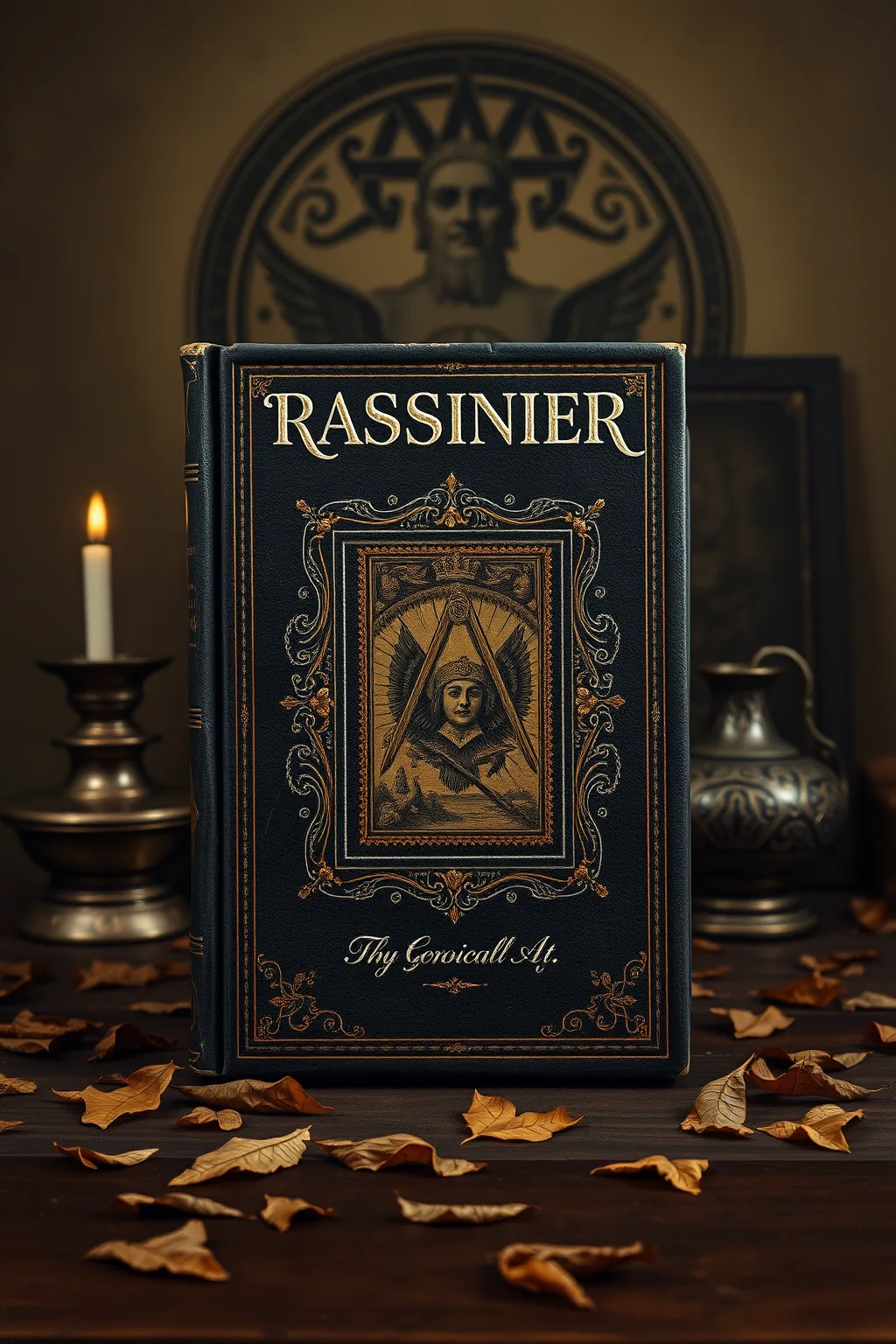
 77
77

Rassinier Debunking The Genocide Myth nwo illuminati freemasons


Rassinier Debunking The Genocide Myth is a provocative and thought-provoking exploration of the Holocaust narrative. Paul Rassinier, an inmate of a concentration camp himself, challenges the widely accepted version of events, suggesting that the true victims were not the Jewish population but rather Polish, Russian, and post-war German civilians. The book delves into the esoteric and occult theories surrounding Freemasonry and secret societies, positing that the images and films depicting the horrors of the concentration camps were manipulated by the judaeo-masonic-controlled Soviets and Jewish filmmaker Billy Wilder. For modern esoteric seekers, this book offers a unique perspective on historical events, encouraging readers to question the official narratives and explore the hidden influences behind major historical occurrences. The book's controversial stance makes it a valuable addition to the esoteric literature, providing readers with an alternative viewpoint that is often overlooked in mainstream historical accounts.
📝 Description
77
In 1978, Rassinier published a controversial text questioning the accepted history of a major 20th-century genocide.
This work, attributed to an anonymous concentration camp inmate, examines what the author terms the 'holocaust myth.' It posits that occult forces and secret societies, specifically a 'Judeo-Masonic elite,' have manipulated historical understanding. The book seeks to uncover hidden agendas and symbolic meanings behind events, suggesting that conventional accounts obscure deeper philosophical and mystical influences on world affairs. It aims to reveal the true nature of power through esoteric symbols and secret knowledge.
The author challenges the official narrative by connecting historical events to the operations of clandestine groups. The text suggests a deliberate construction of public perception, moving beyond standard historical interpretations. Readers are invited to consider a hidden layer of reality where secret societies operate and where truth and deception are intertwined. The book's central argument revolves around the idea that understanding these hidden mechanisms is key to grasping the underpinnings of global events.
This book fits within a tradition of esoteric literature that seeks hidden meanings behind public events, often linking them to secret societies or occult forces. It echoes themes found in certain strands of anti-Masonic literature and conspiracy theories that posit hidden elites manipulating global affairs. The emphasis on symbolism and hidden agendas aligns with esoteric methods of interpreting reality, suggesting that conventional historical accounts are merely a surface layer obscuring deeper, often mystical, truths controlled by unseen hands. It reflects a worldview where secret knowledge is the key to understanding power.
💡 Why Read This Book?
Reading Rassinier Debunking The Genocide Myth today offers a fresh perspective on one of the most debated historical events. It encourages readers to question the official narratives and explore the esoteric and occult influences that may have shaped these events. This book is particularly valuable for those interested in Freemasonry, secret societies, and alternative historical theories. It provides a deep dive into the hidden truths behind the Holocaust, making it an essential read for anyone seeking to understand the hidden influences behind major historical narratives.
⭐ Reader Reviews
Honest opinions from readers who have explored this book.
❓ Frequently Asked Questions
Who is Paul Rassinier?
Paul Rassinier was a French politician, writer, and concentration camp survivor who is known for his controversial views on the Holocaust. He challenged the mainstream narrative and offered alternative perspectives on the events.
What are the main themes of the book?
The main themes of the book include the debunking of the Holocaust narrative, the influence of Freemasonry and secret societies, and the manipulation of historical events by powerful entities.
Why is this book relevant for modern esoteric seekers?
This book is relevant for modern esoteric seekers because it encourages critical thinking and the exploration of hidden influences behind major historical events. It provides an alternative perspective on the Holocaust, making it a valuable addition to the esoteric literature.
🔮 Key Themes & Symbolism
The Judeo-Masonic Elite
This book explores the role of the Judeo-Masonic elite in manipulating public perception and shaping historical events. It explores the occult influences and secret societies that often go unnoticed, revealing the hidden agendas behind the 'holocaust' myth. The author uncovers the symbolic and philosophical underpinnings of these influences, offering a unique and thought-provoking perspective on the true nature of power.
Esoteric Symbolism
Rassinier: Debunking the Genocide Myth is rich in esoteric symbolism, inviting readers to explore the mystical dimensions of historical events. The book analyzes the symbols and hidden meanings that conceal and reveal the deeper truths behind the 'holocaust' myth, providing a framework for understanding the occult forces that shape our reality.
Philosophical Significance
This book offers a profound philosophical exploration of the 'holocaust' myth, challenging conventional wisdom and inviting readers to question the official narrative. It explores the esoteric and mystical underpinnings of historical events, providing a wide range of philosophical insights that reveal the true nature of power and deception.
💡 Key Ideas
Editorial paraphrase of the work's core concepts — not direct quotes.
The 'holocaust' myth is a web of deception, woven by the Judeo-Masonic elite.
This quote highlights the book's central theme of uncovering hidden agendas and occult influences.
The symbols of power conceal and reveal the deeper truths of history.
This quote emphasizes the esoteric symbolism that permeates the book's exploration of historical events.
The quest for hidden knowledge reveals the mystical dimensions of reality.
This quote underscores the book's philosophical significance and its invitation to explore the deeper philosophical and mystical underpinnings of world events.
The 'holocaust' myth is a tool of manipulation, used to shape public perception.
This quote highlights the book's critique of the official narrative and its call to question the true nature of power.
The esoteric dimensions of history offer a path to enlightenment.
This quote emphasizes the book's invitation to readers to explore the mystical and symbolic underpinnings of historical events.
🌙 Esoteric Significance
Tradition
This book belongs to the Hermetic tradition, which emphasizes the hidden knowledge and occult influences that shape our reality. It explores the mystical and symbolic underpinnings of historical events, offering a framework for understanding the true nature of power and deception.
Symbolism
Key symbols in this book include the Judeo-Masonic elite, the 'holocaust' myth, and the esoteric dimensions of historical events. These symbols are analyzed to reveal the hidden meanings and deeper truths that conceal and reveal the true nature of power.
Modern Relevance
This book remains relevant today as it invites readers to question the official narrative and explore the esoteric dimensions of historical events. Modern practitioners of the occult and seekers of hidden knowledge continue to draw inspiration from this book, using its insights to understand the true nature of power and deception in the contemporary world.
👥 Who Should Read This Book
Beginners interested in the occult and esoteric dimensions of historical events will find this book an excellent introduction to the hidden knowledge and symbolism that shape our reality. Scholars of secret societies and conspiracy theories will appreciate the book's unique perspective on the 'holocaust' myth and its exploration of the Judeo-Masonic elite. Spiritual seekers and practitioners of the occult will find rich philosophical and mystical insights that invite them to delve deeper into the true nature of power and deception.
📜 Historical Context
Written by an anonymous inmate of a concentration camp, Rassinier: Debunking the Genocide Myth challenges the official narrative of the 'holocaust' myth and explores the occult influences and secret societies that shaped the events of World War II. Published in a time when the Cold War was at its height and the influence of secret societies was a subject of intense speculation, this book offers a unique and thought-provoking perspective on the true nature of power and deception. Its influence can be seen in the works of authors like Antony Sutton and Bill Cooper, who similarly explore the hidden agendas and esoteric dimensions of historical events.
📔 Journal Prompts
How does the 'holocaust' myth reveal the hidden agendas of the Judeo-Masonic elite?
What are the esoteric symbols and hidden meanings that shape our understanding of historical events?
How can exploring the mystical dimensions of history lead to enlightenment?
In what ways does the official narrative of the 'holocaust' myth conceal the true nature of power?
How can understanding the occult influences behind historical events help us uncover the deeper truths of reality?
🗂️ Glossary
Judeo-Masonic Elite
A term used to describe the secret societies and occult influences that shape historical events and manipulate public perception.
Holocaust Myth
The official narrative of the 'holocaust' that is challenged and debunked in this book, revealing hidden agendas and occult influences.
Esoteric Symbolism
The hidden meanings and mystical dimensions of symbols that reveal the deeper truths of historical events.
Occult Influences
The hidden knowledge and secret societies that shape our reality and influence historical events.
Hermetic Tradition
A mystical and esoteric tradition that emphasizes the hidden knowledge and occult influences that shape our reality.
This book appears in 2 collections
🔮 Readers Also Liked
Browse all →






From the “Secret Societies” Collection
View all →
![EBOOK COLLECTION ( PART 8) [ CSI][h 33t]](/img/thumb/ebook-collection-part-8-csi-h-33t.webp)

More Free Freemasonry & Secret Societies Books
View all →