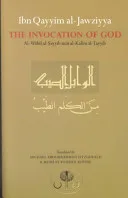
Al- Wābil Al-ṣayyib Min Al-kalim Al-ṭayyib
 82
82

Al- Wābil Al-ṣayyib Min Al-kalim Al-ṭayyib
Ibn Qayyim al-Jawziyya’s treatise, "Al-Wābil al-ṣayyib min al-kalim al-ṭayyib," offers a structured examination of dhikr, the remembrance of God. The strength of this translation lies in its clear exposition of nearly one hundred benefits, presented with the author’s characteristic theological rigor. The section detailing the struggles with the ego, the *nafs*, and its subjugation through remembrance is particularly compelling. However, the sheer enumeration of benefits, while comprehensive, can occasionally feel repetitive to a reader seeking a more narrative flow. A standout passage describes the spiritual ailment of heedlessness and its antidote found in constant invocation. This work provides a detailed map for the spiritual aspirant, even if the terrain itself requires personal exploration. It serves as a foundational text for understanding a crucial aspect of Islamic devotional life.
📝 Description
82
Written in the 14th century, Al-Wābil al-ṣayyib details the spiritual benefits of God's remembrance.
Muḥammad ibn Abī Bakr Ibn Qayyim al-Jawzīyah's 14th-century treatise, translated as "Ibn Qayyim al-Jawziyya on the Invocation of God," examines the spiritual and practical advantages of dhikr, the remembrance of God. The author enumerates nearly a hundred distinct benefits and spiritual insights connected to this devotional practice, stressing its great importance.
The text is for those seeking a deeper grasp of Islamic spirituality and the practice of dhikr. It speaks to scholars of Islamic theology, Sufism, and comparative religion, and also to general readers interested in faith's metaphysical aspects. Individuals working through the complexities of the ego and its link to divine remembrance will find the discussions useful. It acts as a guide for anyone wishing to build a more aware and steady link with the Divine through structured invocation.
This work comes from the Mamluk Sultanate period, a time of significant intellectual activity in the Islamic world. Ibn Qayyim al-Jawziyya, a student of Ibn Taymiyyah, wrote from a rigorous theological and legal background, yet he also engaged with mystical aspects of Islam. His focus on dhikr places the book within a broader Sufi tradition. However, Ibn Qayyim's characteristic emphasis on scriptural evidence and adherence to the Sunnah shapes his discussion of these mystical themes.
💡 Why Read This Book?
• Gain practical methods for cultivating spiritual presence by understanding Ibn Qayyim's detailed breakdown of nearly 100 benefits of dhikr, as presented in the 14th century. • Learn to address the challenges of the *nafs* (ego) through focused spiritual practice, drawing on the author's insights into purification and divine reliance. • Acquire a deeper appreciation for the theological underpinnings of Islamic devotional practices, informed by the rigorous scholarship of Ibn Qayyim al-Jawziyya.
⭐ Reader Reviews
Honest opinions from readers who have explored this book.
❓ Frequently Asked Questions
What is the primary focus of Al-Wābil al-ṣayyib?
The book's primary focus is the spiritual and practical benefits of dhikr, the remembrance of God. Ibn Qayyim al-Jawziyya details nearly one hundred distinct advantages and secrets associated with this devotional practice, explaining its role in purifying the soul and fostering divine connection.
Who was Ibn Qayyim al-Jawziyya?
Muḥammad ibn Abī Bakr Ibn Qayyim al-Jawzīyah was a renowned 14th-century theologian and jurist, a prominent student of Ibn Taymiyyah. He is known for his extensive writings on Islamic law, theology, and spirituality, contributing significantly to the intellectual heritage of Islam.
What is dhikr?
Dhikr, meaning remembrance or invocation, is a central devotional practice in Islam. It involves the conscious remembrance of God through recitation of specific phrases, prayer, and contemplation, aimed at fostering spiritual awareness and closeness to the Divine.
What role does the ego play in the book?
The book discusses the *nafs* (ego or soul) extensively, presenting dhikr as a crucial tool for its purification and spiritual development. Ibn Qayyim explains how consistent remembrance helps overcome negative inclinations of the ego and redirect it towards God.
When was the English translation first published?
The first English translation of Al-Wābil al-ṣayyib min al-kalim al-ṭayyib was published in the year 2000, making this important 14th-century treatise accessible to a wider, English-speaking audience.
What kind of benefits does the book outline?
The book outlines a wide spectrum of benefits, including spiritual peace, enhanced reliance on God (*tawakkul*), increased gratitude (*shukr*), protection from spiritual harm, and a deeper connection with the Divine presence, all stemming from consistent dhikr.
🔮 Key Themes & Symbolism
Spiritual Efficacy of Dhikr
The core of the book lies in demonstrating the profound spiritual efficacy of *dhikr*, the remembrance of God. Ibn Qayyim meticulously catalogues nearly one hundred distinct benefits, moving beyond mere recitation to explore the transformative power of constant divine awareness. He presents dhikr not as a ritualistic act but as a dynamic pathway to spiritual purification, inner peace, and a fortified connection with the Divine. The work emphasizes how consistent invocation strengthens faith and provides solace amidst life's challenges, positioning it as an indispensable practice for the sincere seeker.
The Purification of the Nafs
A significant focus is placed on the purification of the *nafs*, the human ego or soul. Ibn Qayyim posits that the *nafs*, with its inherent inclinations and desires, can be tempered and guided towards righteousness through the persistent practice of dhikr. The book details how remembrance acts as a spiritual discipline, helping to overcome heedlessness, curb negative impulses, and cultivate virtues like patience and gratitude. This process is central to achieving spiritual maturity and drawing closer to God, as the ego is refined and aligned with divine will.
Divine Reliance and Trust
The concept of *tawakkul*, or reliance on God, is intricately woven throughout the text. Ibn Qayyim argues that the act of remembering God inherently fosters a deep sense of trust in His providence and wisdom. By engaging in dhikr, individuals are encouraged to relinquish excessive worldly anxieties and place their ultimate trust in the Creator. This theme highlights how consistent invocation builds inner resilience, leading believers to face difficulties with equanimity, secure in the knowledge that God is their ultimate protector and sustainer.
The Secrets of Invocation
Beyond the practical benefits, the book explores the deeper, esoteric secrets associated with the invocation of God. Ibn Qayyim studies the subtle spiritual states and useful insights that arise from sincere and sustained dhikr. These 'secrets' pertain to an elevated state of spiritual consciousness, where the remembrance of God becomes an all-encompassing reality. The work suggests that through these practices, the seeker can unlock hidden spiritual potentials and experience a more intimate communion with the Divine presence.
💬 Memorable Quotes
Direct passages from the work, attributed to the author.
“We have mentioned [in it] nearly one hundred benefits of remembrance of God [dhikr], and the secrets of remembrance...”
— This foundational statement from Ibn Qayyim sets the scope of the work, promising a comprehensive enumeration of the advantages and mystical dimensions of divine invocation, highlighting its practical and spiritual utility.
“This is a book of great usefulness.”
— An assertion by the author himself, underscoring the practical value and essential nature of the treatise for those seeking spiritual edification through the practice of dhikr.
“Interpretation: The author details how remembrance of God cultivates profound peace and reliance (*tawakkul*).”
— This highlights the psychological and spiritual outcomes of dhikr, emphasizing its role in fostering inner tranquility and trust in God's plan, crucial for navigating life's uncertainties.
“Interpretation: The work systematically lists spiritual advantages and hidden insights derived from the practice of dhikr.”
— This conveys the structured approach of the book, distinguishing between the overt benefits and the more subtle, mystical experiences that accrue to the devoted practitioner of divine remembrance.
💡 Key Ideas
Editorial paraphrase of the work's core concepts — not direct quotes.
Interpretation: The book explores the concept of the *nafs* (ego) and its purification through consistent remembrance of God.
This paraphrase captures a central theme: dhikr serves as a discipline to refine the ego, leading it away from negative inclinations and towards spiritual alignment with the Divine.
🌙 Esoteric Significance
Tradition
This work belongs to the broader Islamic spiritual tradition, particularly its Sufi dimension, though it is presented with the rigorous framework of Sunni jurisprudence characteristic of Ibn Qayyim al-Jawziyya. It doesn't strictly adhere to lineages like Hermeticism or Kabbalah but engages with universal spiritual concepts of divine remembrance and inner purification. It represents a significant strand within Islamic mysticism that emphasizes scriptural grounding and the direct experiential knowledge of God through practices like dhikr, offering a path to spiritual realization within orthodox Islamic parameters.
Symbolism
While not heavily reliant on overt symbolism in the manner of some other esoteric traditions, the book imbues the practice of dhikr itself with profound meaning. The act of remembrance symbolizes the believer's constant turning towards the Divine Presence, a conscious effort to keep God at the forefront of one's being. The *nafs* (ego) can be seen as a symbolic representation of the soul's earthly struggles and potential for transcendence. The concept of 'secrets' of remembrance points to an inner, experiential symbolism, where the recitation becomes a gateway to deeper spiritual states and divine intimacy.
Modern Relevance
Contemporary thinkers and practitioners in Islamic spirituality, particularly those interested in revitalizing traditional practices, draw heavily on Ibn Qayyim's work. Modern Sufi orders and scholars often cite "Al-Wābil al-ṣayyib" as a foundational text for understanding the theory and practice of dhikr. Its emphasis on psychological well-being through spiritual discipline also finds resonance in contemporary discussions on mindfulness and mental health within Muslim communities. Furthermore, comparative religion scholars and students of mysticism engage with it to understand the rich inner life of Islamic tradition and its paths to spiritual realization.
👥 Who Should Read This Book
• Students of Islamic theology and spirituality seeking a foundational text on *dhikr* from a highly respected 14th-century scholar. • Practitioners of Islamic mysticism (Sufism) looking for detailed guidance and encouragement grounded in scriptural tradition. • Scholars of comparative religion and esoteric traditions interested in understanding the depth and breadth of Islamic devotional practices and their psychological dimensions.
📜 Historical Context
Written in the 14th century, during the Mamluk Sultanate of Egypt and Syria, "Al-Wābil al-ṣayyib min al-kalim al-ṭayyib" emerged from a vibrant intellectual climate dominated by Islamic scholarship. Muḥammad ibn Abī Bakr Ibn Qayyim al-Jawzīyah was a leading figure, a prolific writer and a devoted student of the influential theologian Ibn Taymiyyah. His work synthesized rigorous legal and theological reasoning with a deep engagement with Sufi spirituality, though always emphasizing adherence to the Quran and Sunnah. This period saw extensive discourse in jurisprudence, theology, and exegesis. While figures like Ibn Khaldun were analyzing societal structures, Ibn Qayyim focused on the internal spiritual life of the individual. His emphasis on dhikr resonated with established Sufi practices, yet his meticulous, systematic approach, often grounding mystical concepts in scriptural evidence, distinguished his contribution. The work addressed a need for structured guidance on spiritual practices within a framework broadly accepted by mainstream Islamic thought, avoiding the more heterodox interpretations that sometimes attracted controversy.
📔 Journal Prompts
The concept of the *nafs* and its purification through dhikr.
The hundred benefits of remembrance of God as outlined by Ibn Qayyim.
The spiritual state of *tawakkul* cultivated through constant invocation.
The distinction between outward recitation and the inner secrets of dhikr.
The practical application of *shukr* (gratitude) stemming from divine remembrance.
🗂️ Glossary
Dhikr
Arabic for remembrance or invocation. In Islamic terminology, it refers to the practice of remembering God, often through recitation of specific phrases, prayers, and contemplation, aimed at spiritual awareness and connection.
Nafs
The Arabic term for the self, ego, or soul. In Islamic spiritual context, it often refers to the lower self or ego, which requires purification and discipline to align with divine will.
Tawakkul
An Arabic term signifying reliance on God, trust in His plan, and delegation of one's affairs to Him. It is a key spiritual virtue in Islam, cultivated through faith and remembrance.
Shukr
Arabic for gratitude or thankfulness. It is an essential spiritual quality in Islam, expressing appreciation for God's blessings and favors, often fostered through dhikr.
Al-Wābil al-ṣayyib
The Arabic title of the book, translating roughly to 'The Abundant Good Rain.' It metaphorically refers to the copious blessings and benefits derived from the invocation of God.
Kalim al-ṭayyib
Arabic for 'good words' or 'pure words.' In the context of the title, it refers to the righteous speech and remembrance of God that brings spiritual benefit.
Mamluk Sultanate
A period of rule by Mamluk dynasties in Egypt and Syria from the 13th to the 16th centuries. Ibn Qayyim al-Jawziyya lived and wrote during this era.