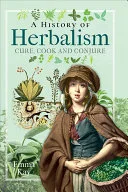
A History of Herbalism
 74
74

A History of Herbalism
Emma Kay’s *A History of Herbalism* successfully moves beyond a simple plant catalog to explore the profound historical relationship between humans and herbs. The book’s strength lies in its detailed exploration of individual herbalists and their practices, such as the mention of Dr. Richard Shephard and his cultivation of angelica. This grounding in specific lives makes the history feel immediate. However, the narrative occasionally feels constrained by its focus on Britain, leaving one wishing for a broader global perspective on herbal traditions. The section discussing the transition from folk remedies to modern medicine is particularly illuminating, highlighting how much practical knowledge has been sidelined. Kay’s prose is accessible, though at times it leans towards descriptive rather than analytical. It is a valuable resource for understanding a vital, often overlooked, aspect of human history.
📝 Description
74
Emma Kay's 2023 book traces humanity's deep-seated connection with plants for medicine and food.
Emma Kay's A History of Herbalism examines the long relationship between people and plants, focusing on their medicinal and culinary roles. Kay, a food historian, follows this connection from ancient times to contemporary kitchens. She highlights the contributions of village herbalists, whose specific knowledge of herbs for healing and sustenance is often forgotten. The book details how common plants held important power within communities.
The work is suitable for those interested in history, botany, and folk medicine. Readers who enjoy culinary traditions, the development of healing practices, or the historical knowledge held by women will find it valuable. It appeals to amateur historians, foragers, chefs, and anyone curious about how plants have shaped human culture and health over centuries. Kay situates herbalism within a broader historical narrative, particularly in pre-industrial Britain where local herbalists were common. This contrasts with later, more formalized medical systems. The book discusses the shift from herbal remedies as village staples to their place in modern gastronomy and wellness.
This book touches on esoteric themes by examining the deep, often intuitive, connection between humans and the plant world, a relationship central to many ancient traditions and folk practices. It highlights 'plant lore,' the empirical and generational knowledge of herbs, which often operated outside formal scientific or medical institutions. By focusing on community healers, many of whom were women, the work implicitly acknowledges the marginalized but persistent streams of knowledge that informed survival and well-being, a common subject within esoteric studies concerned with hidden or folk wisdom.
💡 Why Read This Book?
• Gain specific insights into the historical role of village herbalists in Britain, understanding their community importance as detailed in the book’s examination of figures like Dr. Richard Shephard. • Discover the dual applications of common plants, learning how herbs were historically viewed and utilized for both medicinal purposes and culinary enhancement. • Understand the evolution of herbal knowledge from folk traditions to modern applications, appreciating the specific historical context provided by Kay's food historian perspective.
⭐ Reader Reviews
Honest opinions from readers who have explored this book.
❓ Frequently Asked Questions
What specific herbs are highlighted in Emma Kay's A History of Herbalism?
The book mentions specific herbs such as angelica, cultivated by Dr. Richard Shephard. While not an exhaustive list, it focuses on plants significant to historical British folk medicine and cuisine, detailing their medicinal and culinary properties.
When was A History of Herbalism first published?
A History of Herbalism by Emma Kay was first published on July 28, 2022. This recent publication date brings contemporary scholarship to the historical exploration of herbal traditions.
What is the historical significance of village herbalists discussed in the book?
The book highlights that in past centuries, nearly every British village had a herbalist. These individuals, often women, held crucial knowledge for administering treatments and understanding the benefits of various plants, forming a backbone of community health.
Does the book cover the magical properties of herbs?
Yes, the original blurb indicates that the book reveals the magical and medicinal properties of favorite plants. It explores the historical belief systems surrounding herbs, alongside their practical applications.
Who is Emma Kay, the author of A History of Herbalism?
Emma Kay is identified as a food historian. Her background allows her to approach the subject of herbalism through the lens of culinary history and the evolution of food practices, alongside medicinal uses.
What is the primary focus of A History of Herbalism?
The primary focus is the centuries-old relationship between humans and herbs, examining their historical medicinal, culinary, and potentially magical uses, particularly within the context of British village life and the role of herbalists.
🔮 Key Themes & Symbolism
Village Herbalists and Community Health
The book emphasizes the integral role of village herbalists, particularly in historical Britain, where they were commonplace. These individuals, often possessing empirical knowledge passed down through generations, served as the primary healthcare providers for their communities. Kay details how these practitioners understood the specific benefits of local flora, administering treatments and contributing to the overall well-being of villagers. This theme underscores the societal reliance on accessible, plant-based remedies before the dominance of modern pharmaceuticals.
The Dual Nature of Herbs: Medicine and Cuisine
A central concept explored is the intertwined history of herbs as both medicinal agents and culinary ingredients. *A History of Herbalism* illustrates how plants were not exclusively categorized for one purpose but often served dual roles. For instance, herbs used to soothe an ailment might also be employed to enhance the flavor of food. This section explores how this perception has shifted over time, from a holistic understanding to more specialized applications in contemporary contexts.
Evolution of Plant Knowledge
Kay traces the progression of human understanding and utilization of plants across centuries. This theme covers the transition from ancient, often nature-based spiritual beliefs concerning plants to more empirical, scientific, and eventually industrial approaches. The book examines how knowledge was preserved, transmitted, and sometimes lost, particularly focusing on the empirical wisdom held by folk healers and its eventual integration or displacement by formal medical and culinary disciplines.
The Power of Plants in Human Culture
This theme examines the wide impact herbs have had on shaping human culture, health, and daily life. Beyond their direct uses, plants have influenced folklore, rituals, and societal structures. The book highlights how specific plants, like angelica cultivated by figures such as Dr. Richard Shephard, were not just resources but held symbolic or practical significance within their cultural milieu. It underscores the deep, enduring connection between human civilization and the botanical world.
💬 Memorable Quotes
Direct passages from the work, attributed to the author.
“At one time, every village in Britain had a herbalist.”
— This statement highlights the widespread integration of herbal knowledge into daily life and community structure in historical Britain, positioning herbalists as essential figures before the advent of formalized medicine.
“Meet Dr Richard Shephard of Preston, who cultivated angelica on his...”
— This specific mention grounds the historical narrative in tangible examples, illustrating the dedicated practice of individual herbalists and their cultivation of specific, potent plants like angelica for medicinal use.
“This book tells the story of our centuries-old relationship with herbs.”
— This direct statement frames the entire work as a historical narrative, emphasizing the enduring and significant connection between humanity and the plant kingdom across vast stretches of time.
“The book investigates the lives of women and men who used herbs to administer treatment and knew the benefit of each.”
— This highlights the focus on the human element in herbalism, recognizing both male and female practitioners and emphasizing their deep, practical knowledge of plant efficacy in healing contexts.
💡 Key Ideas
Editorial paraphrase of the work's core concepts — not direct quotes.
From herbalists of old to contemporary cooking, this book reveals the magical and medicinal properties of your favourite plants.
This passage captures the book's scope, spanning historical practices to modern applications, and points to the complex nature of herbs, encompassing both their healing potential and their role in traditional beliefs.
🌙 Esoteric Significance
Tradition
While primarily a historical and culinary exploration, *A History of Herbalism* touches upon the esoteric through its examination of plant lore and historical beliefs surrounding medicinal plants. It implicitly engages with traditions that view plants as possessing vital energies or subtle properties beyond their physical composition. This aligns with certain currents within folk magic, hedge witchery, and older forms of nature-based spirituality that often lack formal codification but represent a persistent thread in Western esotericism.
Symbolism
The book explores symbolism through the specific uses and cultural perceptions of herbs. For instance, angelica, mentioned in relation to Dr. Richard Shephard, has historically been associated with protection and healing in European folklore, often linked to angelic messengers. The dual nature of herbs—as both life-giving nourishment and potent medicine—can symbolize balance, the inherent power within nature, and the complex relationship between life and death, health and illness that humanity continually navigates.
Modern Relevance
Contemporary practices in herbalism, foraging, and folk medicine draw directly from the historical knowledge Kay details. Modern herbalists and wellness practitioners often seek to revive and validate these traditional uses, sometimes integrating them into holistic health paradigms. Furthermore, the growing interest in sustainable agriculture and rediscovering local food systems reflects the book's emphasis on community-based plant knowledge and the historical importance of village herbalists.
👥 Who Should Read This Book
• Culinary historians and chefs seeking to understand the deep roots of ingredients and their historical applications beyond mere flavor. • Students of social history and folk traditions interested in the daily lives and health practices of past communities, particularly in Britain. • Aspiring herbalists and practitioners of natural wellness curious about the historical foundations and empirical knowledge behind plant-based remedies.
📜 Historical Context
Published in 2022, Emma Kay's *A History of Herbalism* enters a field with established scholarly works on ethnobotany and the history of medicine. The book emerges in an era where there's a resurgence of interest in natural remedies and sustainable living, often contrasting with the legacy of the chemical pharmaceutical revolution that began in earnest in the mid-20th century. Kay's work specifically focuses on the British context, a landscape rich with documented folk traditions, particularly those surrounding women’s health and domestic remedies. While not engaging directly with a specific contemporary scholar in the text, her approach implicitly dialogues with historians like Roy Porter, who chronicled the history of medicine, and ethnobotanists who document plant uses. The book's reception is likely influenced by the ongoing academic and popular discourse on traditional ecological knowledge and its potential relevance today.
📔 Journal Prompts
The historical prevalence of village herbalists in Britain.
The dual medicinal and culinary uses of specific plants discussed.
Dr. Richard Shephard's cultivation of angelica and its implications.
The transition of herbal knowledge from folk tradition to modern practice.
The 'magical' versus 'medicinal' properties attributed to plants historically.
🗂️ Glossary
Herbalist
An individual who possesses and utilizes knowledge of plants and their medicinal properties for healing and well-being, often within a community context.
Plant Lore
The traditional beliefs, stories, and accumulated knowledge surrounding plants, encompassing their perceived properties, uses, and symbolic meanings.
Angelica
A genus of tall herbaceous biennial plants in the family Apiaceae, known for their aromatic roots and stems, historically used in traditional medicine and confectionery.
Folk Medicine
The traditional remedies and healing practices passed down through generations within a community or culture, often based on empirical observation and local plant knowledge.
Empirical Knowledge
Knowledge acquired through observation and experience rather than solely through theory or logic; in this context, the practical understanding of plant effects gained by herbalists.
Ethnobotany
The scientific study of the relationships between people and plants, focusing on how cultures use plants for medicine, food, and other purposes.
Culinary History
The academic study of the origins, evolution, and cultural significance of food and cooking practices throughout history.