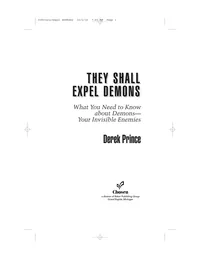
Afterlife and Resurrection Beliefs in the Apocrypha and Apocalyptic Literature
 84
84

Afterlife and Resurrection Beliefs in the Apocrypha and Apocalyptic Literature
Sigvartsen's "Afterlife and Resurrection Beliefs in the Apocrypha and Apocalyptic Literature" provides a necessary, if somewhat dry, scholarly survey of a complex theological landscape. The author's strength lies in his systematic cataloging of beliefs found within texts like 2 Maccabees and the Book of Jubilees, offering a clarity often missing in more devotional studies. A point of limitation, however, is the text's academic tone, which may distance readers seeking a more accessible or spiritually resonant engagement. The detailed comparison of resurrection concepts, particularly the distinction between individual soul survival and general bodily resurrection, as presented in Chapter 4, stands out as a significant contribution. The work is an essential reference for serious students of early Jewish eschatology, though it requires patient engagement.
📝 Description
84
Jan Age Sigvartsen's 2023 study examines afterlife beliefs in the Apocrypha and apocalyptic literature.
This book systematically analyzes the Apocrypha and Pseudepigrapha, focusing on beliefs about existence after death during the Second Temple period. It details a range of ideas concerning the soul's fate and the different concepts of resurrection, separating corporeal from spiritual understandings. Sigvartsen uses texts like the Book of Enoch to show how these theological concepts developed over time.
The study places the Apocrypha and apocalyptic writings within their historical context, demonstrating how they engaged with and influenced contemporary views on divine judgment, the afterlife, and humanity's ultimate end. It provides a framework for comparing various afterlife visions found in these ancient texts, covering everything from immediate post-mortem experiences to future bodily resurrection.
This work engages with esoteric traditions by examining texts that lie outside the standard biblical canon, specifically the Apocrypha and Pseudepigrapha. These writings, often considered apocryphal by later traditions, reveal a vibrant and sometimes heterodox engagement with cosmology, eschatology, and the nature of the divine and human existence beyond death. The study illuminates how these texts functioned within their historical milieu, offering perspectives on spiritual realities and divine judgment that differed from or elaborated upon more widely accepted theological frameworks.
💡 Why Read This Book?
• Gain clarity on the diverse resurrection beliefs articulated in texts like 1 Enoch, understanding the nuances between spiritual and corporeal revivals. • Grasp the historical context of afterlife speculation during the Second Temple period, a critical era for developing Jewish and Christian eschatological thought. • Analyze the comparative frameworks Sigvartsen provides for understanding the varied fates of the righteous and wicked presented in the Apocrypha and Pseudepigrapha.
⭐ Reader Reviews
Honest opinions from readers who have explored this book.
❓ Frequently Asked Questions
What is the primary focus of Jan Age Sigvartsen's book?
The book primarily examines the extensive interest in afterlife and resurrection beliefs that flourished during the Second Temple period, focusing on the Apocrypha and Pseudepigrapha.
Which specific texts are analyzed in "Afterlife and Resurrection Beliefs in the Apocrypha and Apocalyptic Literature"?
The study analyzes texts within the Apocrypha and the apocalyptic writings of the Pseudepigrapha, including works like 1 Enoch and 2 Maccabees.
What time period does Sigvartsen's research cover?
The research concentrates on the Second Temple period, a span roughly from 516 BCE to 70 CE, when significant development in Jewish eschatological thought occurred.
Does the book offer a single, unified view of the afterlife?
No, the book highlights the wide-ranging and often disparate beliefs regarding the afterlife and resurrection found across various ancient Jewish writings.
Who would benefit most from reading this book?
Students of comparative religion, early Jewish history, and theological studies, particularly those interested in the origins of Christian and Jewish eschatology, will find it valuable.
When was "Afterlife and Resurrection Beliefs in the Apocrypha and Apocalyptic Literature" first published?
The book was first published on September 19, 2019.
🔮 Key Themes & Symbolism
Resurrection Diversity
Sigvartsen maps the varied resurrection concepts within the Apocrypha and Pseudepigrapha, distinguishing between general resurrection, individual soul survival, and the fate of the wicked. He illustrates how texts like the Book of Enoch present complex views, moving beyond simple notions of an underworld to detailed eschatological scenarios.
Second Temple Eschatology
The work situates afterlife beliefs within the dynamic intellectual environment of the Second Temple period (c. 516 BCE – 70 CE). It highlights how socio-political pressures and theological debates spurred detailed speculation on divine judgment, the future life, and the ultimate restoration of Israel and creation.
Apocryphal Teachings
Focusing on texts often excluded from canonical Bibles, Sigvartsen reveals their significant contributions to understanding ancient Jewish thought. The Apocrypha and Pseudepigrapha serve as crucial windows into the development of concepts that would profoundly influence later religious traditions.
Judgment and Reward
Central to these ancient texts is the concept of divine judgment, determining the post-mortem destiny of individuals. The book examines how different writings portray the rewards for the righteous and the punishments for the wicked, often with vivid imagery and detailed descriptions of future states.
💬 Memorable Quotes
Direct passages from the work, attributed to the author.
“The Second Temple period saw a proliferation of interest in life after death and the fates of the righteous and wicked.”
— This statement captures the core thesis, emphasizing the historical context and the intense focus on eschatology during this formative era of religious thought.
“Analysis of the Apocrypha and Pseudepigrapha reveals a wide range of afterlife beliefs.”
— This highlights the methodological approach of the book, focusing on non-canonical texts to showcase the diversity and complexity of ancient Jewish views on the afterlife.
“Distinguishing between individual soul survival and general bodily resurrection is key to understanding these texts.”
— This points to a crucial analytical distinction made by Sigvartsen, essential for grasping the nuanced theological developments in early Jewish eschatology.
“Speculation about the fates awaiting both the righteous and the wicked was common.”
— This emphasizes the ethical and judicial dimensions of afterlife beliefs, reflecting ancient concerns about divine justice and the ultimate consequences of human actions.
“Sigvartsen presents an analysis enabling readers to compare these varied beliefs.”
— This describes the book's utility, suggesting it offers a structured framework for students to navigate and compare the complex theological field of ancient afterlife concepts.
🌙 Esoteric Significance
Tradition
This work intersects with traditions concerned with hidden knowledge and future revelations, particularly those that evolved from Second Temple Judaism. It speaks to esoteric lineages that explore scriptural exegesis beyond the literal, seeking deeper meanings in prophecies and apocalyptic visions concerning cosmic order and post-mortem existence.
Symbolism
The concept of 'resurrection' itself functions symbolically, representing not just physical reanimation but also spiritual rebirth and the ultimate triumph of divine order over chaos. Visions of judgment, often depicted with celestial or infernal imagery, symbolize the karmic consequences and the soul's journey through different spiritual planes.
Modern Relevance
Contemporary esotericists and comparative theologians draw on these early Jewish texts to understand the roots of Western eschatology. Movements interested in reincarnation, spiritual evolution, and the nature of consciousness often find echoes and foundational concepts within the Apocrypha and apocalyptic literature studied here.
👥 Who Should Read This Book
• Students of Second Temple Judaism: Those researching the historical and theological field of early Jewish sects and their development of afterlife beliefs. • Comparative Religion Scholars: Individuals examining the evolution of eschatological concepts across different ancient Near Eastern and Mediterranean cultures. • Theological Researchers: Academics and advanced students investigating the origins and diversity of resurrection doctrines that influenced later Christian and Jewish thought.
📜 Historical Context
The Second Temple period (c. 516 BCE – 70 CE) was a fertile ground for theological innovation, particularly concerning eschatology. Influenced by Persian dualism, Hellenistic philosophy, and internal Jewish debates, thinkers grappled with questions of divine justice, the nature of the soul, and the ultimate fate of humanity. This era saw the composition of texts like 1 Enoch and 2 Maccabees, which dramatically expanded upon earlier Israelite concepts of Sheol. These writings offered detailed visions of heavenly realms, fiery judgments, and future resurrections, often in response to foreign domination and internal religious crises. While Sadducees largely rejected resurrection beliefs, the Pharisees and other groups embraced them, leading to diverse theological currents. Sigvartsen's work engages with this rich, often contentious, intellectual milieu, situating the Apocrypha and Pseudepigrapha as vital evidence for understanding these developing ideas, which would later profoundly shape Rabbinic Judaism and early Christianity.
📔 Journal Prompts
The varied resurrection concepts in 1 Enoch and 2 Maccabees.
The historical context of Second Temple eschatological speculation.
The symbolic meanings of judgment and afterlife in the Apocrypha.
The development of beliefs concerning the righteous and the wicked.
The Apocrypha's contribution to understanding post-mortem existence.
🗂️ Glossary
Apocrypha
A collection of ancient Jewish religious texts that are not part of the Hebrew Bible canon but are included in some Christian canons (like the Septuagint). They offer insights into beliefs between the Old and New Testaments.
Pseudepigrapha
A broad category of ancient Jewish writings, often attributed to famous biblical figures, that are not accepted as canonical by any major religious tradition. They frequently contain apocalyptic and eschatological material.
Second Temple Period
The era of Jewish history from the rebuilding of the Second Temple in Jerusalem (c. 516 BCE) to its destruction by the Romans (70 CE). It was a time of significant religious and cultural development.
Eschatology
The branch of theology concerned with the final destiny of the soul and the world; the study of 'end times,' including beliefs about judgment, resurrection, and the afterlife.
Resurrection
The belief in the revival of the dead, either as a general event or for specific individuals. In ancient texts, this could refer to spiritual or physical reanimation.
Sheol
In early Hebrew thought, the underworld or the abode of the dead, often depicted as a shadowy field of inactivity, distinct from later concepts of heaven and hell.
Apocalyptic Literature
A genre of revelatory literature characterized by visions, symbolic language, and prophecies concerning the end of the present age and the coming of a divine intervention.