After Ancient Biography
 79
79

After Ancient Biography
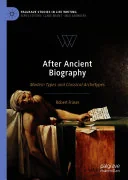
Fraser's "After Ancient Biography" offers a compelling, if sometimes densely argued, exploration of how ancient life-writing continues to shape our perspectives. His ability to connect Plutarch's biographical methods to the cultural milieu of the French Revolution, for instance, is particularly striking. A clear strength lies in the book's interdisciplinary approach, drawing connections between textual analysis, historical reception, and visual arts. However, the sheer breadth of the study occasionally leads to a feeling of skimming over certain periods, particularly in its engagement with 20th and 21st-century criticism. The chapter on filmic adaptations, while interesting, feels somewhat less integrated than the historical sections. Fraser's central question—what modern biographers can learn from antiquity—is potent, though the answer feels more implied than explicitly stated. Ultimately, the work serves as a valuable, if demanding, resource for understanding biography's deep historical roots.
📝 Description
79
Robert Fraser's 2008 study, "After Ancient Biography," examines how classical life-writing shapes modern understanding of individuals.
Robert Fraser's "After Ancient Biography" traces the influence of ancient biographical writing from classical antiquity to contemporary culture. The book analyzes how figures like Plutarch and Suetonius not only informed historical accounts but also shaped literary forms and philosophical thought across centuries. Fraser connects the study of classical texts with their reception, showing how ancient models of life-writing continue to inform our grasp of individuals and their significance.
This work is for scholars and advanced students in Classics, literary criticism, intellectual history, and art history. It will also interest those curious about the development of narrative forms, the creation of historical personas, and the ongoing connection between past and present in biographical writing. Readers interested in the origins of modern biographical techniques and their philosophical bases will find substantial material.
While not strictly an esoteric text, "After Ancient Biography" touches upon traditions that inform esoteric thought by examining the construction of lives and legacies. Its analysis of how ancient biographical models persist and are reinterpreted can be seen as a form of classical reception that resonates with esoteric interests in enduring archetypes and the transmission of knowledge across time. The book's scrutiny of the 'biographical pact' and the ethical dimensions of representation also aligns with esoteric concerns about authenticity and the power of narrative.
💡 Why Read This Book?
• Gain a nuanced understanding of how ancient biographers like Plutarch, writing around 100 CE, established foundational methods for character portrayal that still influence narrative construction today. • Discover concrete examples of how concepts from ancient biography were actively re-appropriated during the French Revolution, demonstrating biography's role in shaping political identity. • Explore the tangible legacy of ancient biographical forms in modern art and film, revealing how classical approaches to heroism and narrative persist in visual storytelling.
⭐ Reader Reviews
Honest opinions from readers who have explored this book.
❓ Frequently Asked Questions
What specific ancient biographers does Robert Fraser focus on in "After Ancient Biography"?
The book extensively analyzes the works of key figures such as Plutarch, whose parallel biographies offered a model for moral and character-driven life-writing, and Suetonius, known for his more anecdotal and sensational approach to imperial biographies.
How does "After Ancient Biography" connect classical reception to the French Revolution?
Fraser demonstrates how revolutionary figures and writers drew upon ancient biographical models and ideals of heroism and civic virtue to legitimize their own actions and shape public perception during that tumultuous period.
What is the "biographical pact" as discussed in the book?
The 'biographical pact' refers to the implicit understanding between a biographer and their audience regarding the representation of a life, encompassing issues of truthfulness, selection of material, and authorial intent, a concept Fraser examines through historical lenses.
Does "After Ancient Biography" offer practical advice for contemporary biographers?
Yes, the book critically engages with what modern biographers can learn from their ancient predecessors, particularly concerning the portrayal of character, the examination of motive, and the construction of enduring legacies.
In what ways does Fraser discuss the visual legacy of ancient biography?
Fraser explores how the narratives, archetypes, and thematic concerns found in ancient biographies have been translated and reinterpreted in various forms of visual art and film across different historical periods.
What makes this book relevant to esoteric studies?
While not strictly an esoteric text, the book's focus on the construction of persona, the enduring influence of archetypes, and the philosophical underpinnings of life-narratives offer a framework for understanding how meaning and influence are perpetuated across ages, a core concern in metaphysical inquiry.
🔮 Key Themes & Symbolism
Classical Reception in Biography
This theme explores how ancient biographical forms and conventions, originating with figures like Plutarch and Suetonius, have been continuously reinterpreted and adapted across subsequent historical epochs. Fraser meticulously traces how these classical models, often focused on moral exemplars and character analysis, were revived and repurposed during periods like the French Revolution and the Enlightenment. The work emphasizes that understanding these historical 'receptions' is crucial for grasping the evolution of biography as a genre and its persistent influence on how we construct and understand human lives.
The Biographical Pact
Fraser interrogates the implicit contract between the biographer and the reader, termed the 'biographical pact.' This concept addresses the expectations surrounding truthfulness, selectivity, and authorial perspective inherent in any life-writing. The book examines how this pact has been negotiated differently across historical periods, from antiquity's focus on virtue and exemplary lives to modern critical approaches that emphasize psychological depth or historical contingency. It questions what constitutes ethical and effective representation of a person's life.
Biography's Legacy in Art and Film
Beyond textual analysis, "After Ancient Biography" investigates the visible manifestations of ancient biographical influence in visual media. Fraser considers how the archetypes, narrative structures, and thematic concerns found in classical biographies have been translated into painting, sculpture, and cinema. This section highlights how ancient ideals of heroism, tragedy, and character development continue to inform storytelling and visual representation, demonstrating a tangible, enduring legacy that transcends literary scholarship.
Learning from Ancient Predecessors
A central inquiry of the book is what contemporary biographers can learn from their ancient counterparts. Fraser suggests that antiquity offers enduring lessons in crafting compelling narratives, exploring human motivation, and establishing lasting legacies for subjects. The work prompts reflection on how ancient biographers balanced historical accuracy with literary artistry, and how their methods of character portrayal might offer valuable perspectives for modern practitioners seeking to capture the essence of a life.
💬 Memorable Quotes
Direct passages from the work, attributed to the author.
“Ancient biography's impact extends far beyond its original contexts.”
— This highlights the central thesis that classical life-writing is not merely a historical artifact but a dynamic force that has shaped subsequent cultural and intellectual developments across centuries, influencing how we perceive individuals and their stories.
“The French Revolution and Napoleonic era saw a significant revival of ancient biographical models.”
— This points to a specific historical moment where classical ideals of heroism, civic virtue, and exemplary lives were consciously invoked and adapted to legitimize political figures and shape national narratives during a period of radical change.
“Modern critics grapple with the legacy and methods of ancient biographers.”
— This indicates the book's engagement with contemporary scholarship, showing how current academic discourse re-examines, critiques, and finds continued relevance in the approaches and works of classical biographers.
“What can contemporary biographers learn from antiquity?”
— This question frames a core objective of the book: to extract practical and theoretical insights from ancient life-writing that can inform and enrich modern biographical practice, focusing on narrative technique and character analysis.
“The influence of ancient biography is visible in art and film.”
— This signifies the book's interdisciplinary scope, demonstrating that the impact of classical biographical traditions is not confined to literature but permeates visual culture, shaping how lives are depicted and understood through different media.
🌙 Esoteric Significance
Tradition
While "After Ancient Biography" is primarily a work of classical reception and literary history, its exploration of how lives are constructed, remembered, and mythologized speaks to esoteric traditions. These traditions often concern the formation of spiritual biographies, the lives of enlightened masters, and the symbolic representation of spiritual journeys. The book's examination of how ancient biographers shaped ideals of virtue, heroism, and legacy provides a secular framework for understanding the mechanisms by which influential figures, whether historical or spiritual, gain enduring significance and become archetypes.
Symbolism
The book implicitly engages with symbolism by analyzing how ancient biographers used narrative elements and characterizations to convey deeper meanings. For instance, the portrayal of a hero's trials can symbolize spiritual struggle, while the emphasis on a ruler's wisdom might represent divine favor or enlightened consciousness. Fraser's discussion of how these narratives translate into visual art and film further highlights the symbolic power of life-writing, showing how archetypal figures and their stories continue to evoke profound psychological and cultural resonances.
Modern Relevance
Contemporary thinkers interested in Jungian archetypes, the study of mythology, and the construction of personal or collective identity can find fertile ground in Fraser's analysis. His work provides a historical lens on how 'great lives' are curated and remembered, which is relevant to modern discussions on influencer culture, historical revisionism, and the search for meaning through narrative. For esoteric practitioners, understanding these biographical construction techniques can illuminate how spiritual leaders and texts build authority and transmit wisdom across generations.
👥 Who Should Read This Book
['• Scholars of Classics and Ancient History seeking to understand the lasting impact and adaptability of Greek and Roman biographical traditions beyond their immediate historical context.', '• Literary critics and theorists interested in the evolution of narrative forms, the concept of the biographical pact, and the interplay between historical fact and literary representation.', '• Art and Film historians analyzing how classical archetypes and life-writing conventions have been translated and reinterpreted in visual media across different eras.']
📜 Historical Context
Published in 2020, Robert Fraser's "After Ancient Biography" enters a scholarly landscape increasingly interested in the long durée of classical reception and the evolving nature of life-writing. It arrives at a time when digital media has amplified biographical narratives, prompting renewed reflection on foundational forms. The work engages with post-structuralist and New Historicist approaches that question authorial authority and narrative construction, often implicitly contrasting with earlier, more positivist classical scholarship. Fraser's specific focus on the French Revolution and Napoleonic era directly addresses a period where Enlightenment ideals met revolutionary fervor, making the selective invocation of classical exemplars (like Plutarch's heroes) a potent tool for political legitimacy. His contemporaries in classical reception studies include figures like Lorna Hardwick and Stephen Harrison, though Fraser carves a distinct path by focusing so intently on biography's trajectory. The book's intellectual lineage can be traced to earlier works on classical biography and its influence, but Fraser's synthesis and application to modern media, particularly film, offers a contemporary update.
📔 Journal Prompts
The biographical pact as articulated by Fraser: what assumptions does it entail for contemporary readers of Plutarch?
Ancient biographical models' influence on the French Revolution: identify one specific instance.
Fraser's assessment of modern critics' responses to ancient biography: what is the core tension he identifies?
The legacy of ancient biography in film: how does this manifest visually?
What specific lessons can modern biographers draw from Suetonius's approach to imperial lives?
🗂️ Glossary
Classical Reception
The study of how ancient Greek and Roman texts, ideas, and cultural practices have been interpreted, adapted, and transmitted through subsequent historical periods, influencing art, literature, philosophy, and society.
Biographical Pact
An implicit agreement or understanding between the author of a biography and its readers concerning the conventions of truthfulness, selectivity, perspective, and authorial intent that guide the representation of a life.
Plutarch
A Greek biographer and historian (c. 46 – c. 120 CE) renowned for his 'Parallel Lives,' which juxtaposed Greek and Roman figures to explore virtue, character, and moral exemplars, profoundly influencing later biography.
Suetonius
A Roman historian and biographer (c. 69 – after 122 CE) best known for 'The Twelve Caesars,' a work characterized by its anecdotal style, focus on personal details, and often sensational accounts of emperors' lives.
Hellenistic Period
The historical era following the conquests of Alexander the Great (c. 323–31 BCE), marked by the spread of Greek culture and influence across the Eastern Mediterranean and Near East, a key context for early biography.
Exemplarity
The quality of serving as a model or example, particularly in the context of biography, where lives are presented to illustrate virtues, vices, or particular ways of living that readers are encouraged to emulate or avoid.
Life-writing
A broad term encompassing various forms of biographical and autobiographical narrative, including biography, autobiography, memoir, and hagiography, focusing on the representation of individual human lives.
This book appears in 1 collection
🔮 Readers Also Liked
Browse all →








From the “Archetypes” Collection
View all →





More Free Occult Philosophy Books
View all →