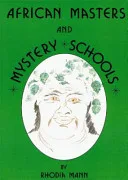
African Masters and Mystery Schools
 77
77

African Masters and Mystery Schools
Rhodia Mann's "African Masters and Mystery Schools" attempts to map the terrain of ancient African esoteric traditions, a field often overshadowed by Western occult studies. The strength of the book lies in its ambition to connect these lineages, presenting them not as isolated curiosities but as integral parts of a global esoteric heritage. Mann's examination of the hierarchical structure within these schools, particularly her discussion of the role of the "Hierophant" in mediating divine knowledge, offers a compelling glimpse into their pedagogical methods. However, the work occasionally suffers from a lack of concrete, verifiable evidence for some of its more speculative connections between disparate African traditions and later European mystery schools. The section detailing the "Seven Pillars of Wisdom" as a concept within these schools, while conceptually interesting, feels less grounded than other parts of the text. Despite these limitations, Mann provides a valuable overview for those seeking to understand the African roots of mystical thought, steering clear of common Orientalist tropes. It serves as a worthy, if sometimes tentative, introduction to a complex subject.
📝 Description
77
Rhodia Mann's 1993 book examines esoteric traditions from the African continent.
African Masters and Mystery Schools, published in 1993, investigates esoteric traditions that originated in Africa. Rhodia Mann looks at the structures, teachings, and practices of ancient African mystery schools and their historical continuity. The book addresses how these knowledge systems were kept alive and passed down, often through oral accounts or hidden within symbolic language. Mann's writing seeks to bring attention to these spiritual paths, which are frequently overlooked. This work is suitable for students of comparative religion, those interested in occult philosophy, and anyone looking into the history of Western esotericism who wants to understand non-European contributions. It will appeal to readers who enjoy spiritual traditions presented in a scholarly yet accessible manner and are curious about the origins of mystical thought beyond the usual Greco-Roman and Near Eastern influences. Individuals aiming to expand their knowledge of global spiritual practices will find this book valuable.
The publication in 1993 coincided with growing academic and public interest in non-Western spiritualities and a move away from Eurocentric historical views. While scholars like Cheikh Anta Diop had earlier asserted Egypt's African roots and impact on Western culture, Mann's focus is specifically on the transmission of esoteric knowledge. The book appeared at a time when Theosophy and Helena Blavatsky's ideas, which often cited ancient Eastern and African wisdom, were widely recognized. However, detailed studies of specific African mystery schools were still uncommon in general esoteric writings.
This book engages with the study of esoteric traditions, particularly those stemming from Africa, challenging a Western-centric view of mystical thought. It positions African spiritual systems within a broader history of esoteric knowledge, placing them alongside traditions more commonly discussed in Western occult circles. Mann addresses how concepts of initiation, secret teachings, and spiritual lineages, often associated with mystery schools in other cultures, manifested within African contexts. The work contributes to understanding the global reach and diversity of practices aimed at spiritual transformation and esoteric understanding.
💡 Why Read This Book?
• Gain insight into the structure and purpose of African mystery schools, learning about concepts like the "Hierophant" and their role in spiritual transmission, which offers a unique perspective on ancient educational systems. • Understand the historical context of African esoteric traditions, appreciating their potential influence on later Western mystery schools and how they were preserved through oral transmission and symbolic language. • Explore the "Seven Pillars of Wisdom" as a framework for understanding esoteric principles, providing a specific conceptual tool for personal reflection and study not readily found in other comparative texts.
⭐ Reader Reviews
Honest opinions from readers who have explored this book.
❓ Frequently Asked Questions
What are the primary subjects covered in Rhodia Mann's African Masters and Mystery Schools?
The book primarily covers ancient African esoteric traditions, the structure and teachings of African mystery schools, and the lineage of spiritual knowledge transmission across generations from the continent.
When was African Masters and Mystery Schools first published?
Rhodia Mann's African Masters and Mystery Schools was first published in 1993.
Who is Rhodia Mann and what is her background?
Information on Rhodia Mann's specific background is not extensively detailed in the book's initial publication, but her work suggests a deep engagement with comparative religion and esoteric philosophy.
Does the book discuss specific African locations or civilizations?
Yes, the work explores traditions originating from various parts of the African continent, touching upon ancient systems that predate or influenced later known spiritual practices.
How does this book differ from studies on Western mystery schools?
It focuses on the often-overlooked African origins and parallels of esoteric knowledge, contrasting with typical studies centered on Greco-Roman or Near Eastern influences, and examines distinct African pedagogical methods.
Are there specific terms or concepts unique to African mystery traditions discussed?
The book examines concepts such as the "Hierophant's" role, the "Seven Pillars of Wisdom," and the nature of initiation within these African esoteric systems, distinct from their Western counterparts.
🔮 Key Themes & Symbolism
African Mystery School Structures
The work posits the existence of sophisticated mystery school systems across ancient Africa, functioning as centers for advanced spiritual and philosophical learning. Mann details the hierarchical organization, often involving a "Hierophant" as the mediator of sacred knowledge. These institutions were not merely religious cults but educational bodies focused on the aspirant's transformation through specific doctrines and practices, aiming to impart a profound understanding of cosmic laws and human potential. The transmission of this knowledge was carefully guarded, ensuring only qualified initiates received its deeper secrets.
Esoteric Lineage and Transmission
A central theme is the unbroken or subtly altered transmission of esoteric knowledge from ancient African sources. Mann explores how these traditions, often preserved through oral histories and symbolic language rather than extensive written texts, influenced later esoteric movements. The book examines the methods by which wisdom was passed down, focusing on the role of initiates and masters in maintaining the integrity of the teachings across centuries, potentially linking African systems to Hermeticism and Gnosticism.
Symbolism and Initiation
The book scrutinizes the symbolic language and ritualistic practices integral to African mystery schools. Concepts like the "Seven Pillars of Wisdom" are presented as foundational principles used in initiatory rites and teachings. These symbols served not only as mnemonic devices but as keys to unlocking deeper spiritual insights, guiding the aspirant through various stages of awareness and self-mastery. The process of initiation itself is depicted as a transformative journey, designed to realign the individual with universal truths.
Comparative Esoteric Frameworks
Mann engages in a comparative analysis, positioning African esoteric traditions within the broader field of global mystical thought. The work seeks to establish connections and divergences between these African systems and their counterparts in the Near East and later European esotericism, such as Hermeticism and Kabbalah. By highlighting shared archetypes and distinct methodologies, the book aims to demonstrate a more unified, albeit diverse, ancient wisdom tradition that spans continents.
💬 Memorable Quotes
Direct passages from the work, attributed to the author.
“The Hierophant's role was to mediate divine knowledge, guiding initiates through stages of understanding.”
— This interpretation highlights the central figure in Mann's depiction of African mystery schools, emphasizing their pedagogical function and the structured nature of spiritual instruction provided.
“Initiation involved a structured process, often symbolized by the 'Seven Pillars of Wisdom'.”
— This highlights a specific conceptual framework presented in the book, illustrating the organized approach to spiritual development and the symbolic underpinnings of the initiatory journey.
“African mystery schools served as distinct centers for advanced spiritual and philosophical instruction.”
— This captures the essence of Mann's argument that these institutions were more than religious bodies, functioning as academies for profound personal and intellectual growth.
“Connections between African traditions and later Western esotericism are explored.”
— This statement indicates the book's comparative approach, suggesting an effort to trace the lineage and influence of African mystical thought on subsequent spiritual movements.
💡 Key Ideas
Editorial paraphrase of the work's core concepts — not direct quotes.
Wisdom was transmitted through carefully guarded oral traditions and symbolic language.
This paraphrase points to the methods of knowledge preservation and dissemination within these ancient systems, underscoring their non-literary and esoteric character.
🌙 Esoteric Significance
Tradition
Mann's work engages with the concept of an ancient, universal wisdom tradition, placing African esoteric systems within this framework. It attempts to bridge the gap between African indigenous spiritualities and the more documented Western esoteric lineages, such as Hermeticism and Gnosticism, suggesting a common root or parallel development. The book operates within the broader context of comparative esotericism, seeking to validate and elucidate African contributions to mystical thought that were often marginalized.
Symbolism
Key symbols examined include the "Hierophant," representing the spiritual teacher or mediator of divine knowledge, and the conceptual framework of the "Seven Pillars of Wisdom." These pillars likely represent fundamental principles or stages of spiritual development, akin to axiomatic truths or ethical guidelines within the mystery school curriculum. The emphasis on symbolism suggests a pedagogical approach where abstract truths were conveyed through tangible forms and allegorical narratives.
Modern Relevance
Contemporary practitioners and scholars interested in Afrocentric spirituality, comparative mysticism, and the historical roots of esoteric practices find value in Mann's research. Schools and individuals exploring decolonial approaches to spirituality often reference works like this to reclaim and understand indigenous knowledge systems. It informs contemporary discussions on the global dissemination of esoteric ideas and the need to recognize diverse cultural contributions to spiritual philosophy beyond the Eurocentric canon.
👥 Who Should Read This Book
• Students of comparative religion and esoteric history seeking to understand the African origins and parallels of mystical traditions. • Researchers interested in the historical transmission of spiritual knowledge, particularly those examining oral traditions and symbolic languages. • Individuals exploring Afrocentric spirituality or seeking to broaden their understanding of global wisdom systems beyond Western or Eastern frameworks.
📜 Historical Context
Published in 1993, Rhodia Mann's "African Masters and Mystery Schools" emerged in an era where academic and popular interest in non-Western spiritualities was growing, spurred by scholars like Cheikh Anta Diop who championed African origins for various cultural and intellectual developments. The late 20th century saw a continued engagement with esoteric traditions, often through the lens of Theosophy, which had already popularized the idea of ancient world wisdom, including references to African sources. Mann's work specifically sought to detail the structure and transmission of knowledge within African esoteric lineages, moving beyond general references. While contemporary authors like Gai Eaton were exploring Islamic mysticism, Mann focused on a different, less documented branch of esoteric history. The book's contribution was to provide a more structured, albeit sometimes speculative, account of African mystery schools, aiming to integrate them into the broader narrative of global esoteric history, a narrative often dominated by Greco-Roman and Eastern traditions.
📔 Journal Prompts
The role of the "Hierophant" in mediating knowledge.
Reflect on the preservation of wisdom through "oral traditions and symbolic language."
Consider the potential meaning of the "Seven Pillars of Wisdom" in personal spiritual development.
Analyze how "African mystery schools" might differ from contemporary educational models.
Examine the concept of "esoteric lineage" across different cultures.
🗂️ Glossary
Mystery School
An organization or institution dedicated to the teaching of esoteric doctrines and practices, often involving initiation rites and a hierarchical structure for spiritual and philosophical instruction.
Hierophant
In the context of mystery schools, the chief priest or interpreter who presides over the sacred rites and teaches the hidden meanings of symbols and doctrines to initiates.
Esoteric
Intended for or likely to be understood by only a small number of people with a specialized knowledge or interest; relating to secret or mysterious knowledge.
Initiation
The process of being formally admitted into a group, society, or religious sect, often involving rituals and the imparting of secret knowledge or status.
Oral Tradition
The transmission of cultural knowledge, history, or beliefs from one generation to another by spoken word rather than by writing.
Symbolic Language
A system of communication that uses symbols to represent ideas, concepts, or spiritual truths, often employed in religious and esoteric teachings.
Seven Pillars of Wisdom
A conceptual framework discussed in the book, representing foundational principles or stages within African esoteric teachings and initiatory practices.