How to Be
 73
73

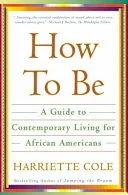
How to Be
Harriette Cole's "How to Be" offers a refreshingly grounded perspective on etiquette, moving beyond the superficial to explore its role as a genuine tool for empowerment. The book's strength lies in its direct engagement with the African American community, drawing upon a rich heritage of elder wisdom to articulate principles of conduct. Cole avoids prescriptive dogma, instead focusing on how manners facilitate understanding and respect in a diverse world. A particular passage discussing "the presentation of self" feels acutely relevant, detailing how one's bearing can communicate confidence and self-worth. If there's a limitation, it's that the book's focus on community empowerment, while vital, occasionally means the broader applicability of some concepts could be more explicitly explored for a wider audience. Nevertheless, "How to Be" serves as a potent reminder that mastering social interaction is a fundamental path to personal and collective agency.
📝 Description
73
Harriette Cole's 2000 book reframes etiquette as a toolkit for social empowerment.
Published in 2000, Harriette Cole's "How to Be" revises the concept of etiquette. It moves beyond mere politeness to present manners as a practical method for self-improvement and social effectiveness, particularly for the Black community. Cole draws upon the practical knowledge of African American elders, offering advice that aims to build confidence and facilitate positive interactions.
This book is useful for anyone wanting to improve their social skills and personal presentation. It addresses individuals who interact across different cultures and complex relationships, giving strategies for better communication and how to carry oneself. While Cole centers the Black experience and ancestral wisdom for modern issues, the book's guidance on conducting oneself with grace and assurance is broadly applicable.
While not strictly a text of occultism or mysticism, "How to Be" operates within a broader esoteric tradition that emphasizes self-mastery and the cultivation of inner principles for outward manifestation. It aligns with schools of thought that see social grace and personal conduct as external expressions of internal order and self-awareness. The book's focus on leveraging ancestral knowledge for contemporary application also echoes traditions that value lineage and the transmission of wisdom across generations as a path to personal and collective elevation.
💡 Why Read This Book?
• Learn how to wield "good manners" not as rigid rules, but as a strategic resource for personal empowerment and effective social navigation, drawing from the specific wisdom of African American elders as presented in the book's foundational chapters. • Understand the concept of "social efficacy" as articulated by Cole, recognizing how deliberate conduct can foster respect and create opportunities, a key takeaway from the book's exploration of practical social dynamics. • Gain insight into how ancestral wisdom, as transmitted in "How to Be," can be applied to contemporary challenges in communication and relationships, offering a unique perspective absent in more generic etiquette guides.
⭐ Reader Reviews
Honest opinions from readers who have explored this book.
❓ Frequently Asked Questions
When was Harriette Cole's "How to Be" first published?
Harriette Cole's "How to Be" was first published on February 2, 2000, marking its entry into discussions on social conduct and empowerment at the turn of the millennium.
What is the main focus of Harriette Cole's "How to Be"?
The book focuses on etiquette as a tool for empowerment, particularly within the Black community, drawing on the wisdom of African American elders to navigate modern social landscapes.
Does "How to Be" offer advice for professional settings?
Yes, the book addresses how good manners are essential for navigating professional environments and the "rapidly changing maze of lifestyles, customs, and relationships" encountered in work and life.
What distinguishes "How to Be" from other etiquette books?
Its unique approach lies in its grounding in African American cultural heritage and the specific emphasis on manners as a resource for community empowerment and self-respect.
Who are the "African American elders" Cole references in "How to Be"?
Cole draws upon the collective "tried-and-true experience and wisdom" of African American elders, representing a generational transmission of cultural knowledge and social intelligence.
Is "How to Be" a guide to traditional etiquette rules?
While it covers aspects of good manners, "How to Be" reframes etiquette as a dynamic strategy for empowerment rather than a strict adherence to outdated social codes.
🔮 Key Themes & Symbolism
Manners as Empowerment
The core of "How to Be" posits that mastering "good manners" is not about subservience but about agency. Cole argues that understanding social dynamics and presenting oneself with grace provides individuals with a powerful toolkit to navigate diverse environments. This empowerment extends to the Black community, where Cole draws on ancestral wisdom to equip readers with strategies for self-respect and effective interaction, challenging the notion that etiquette is merely superficial politeness.
Intergenerational Wisdom
A significant aspect of the book is its reliance on the "tried-and-true experience and wisdom of African American elders." Cole positions this transmission of knowledge as a vital resource, distinct from fleeting trends. This theme highlights the enduring value of practical, lived experience passed down through generations, offering a culturally specific yet universally applicable framework for social conduct and personal development.
Navigating Social Landscapes
Cole frames contemporary life as a "rapidly changing maze of lifestyles, customs, and relationships." Within this context, "How to Be" offers guidance on how etiquette serves as a compass. It provides readers with the principles to find their way, foster positive connections, and avoid "real disadvantage." The book emphasizes adaptable social intelligence over rigid adherence to outdated social codes, focusing on genuine understanding and respect.
Cultural Specificity and Universality
While "How to Be" is explicitly framed as a resource for the empowerment of the Black community, its underlying principles of respect, self-awareness, and effective communication hold universal appeal. Cole bridges cultural specificity with broad human needs, demonstrating how culturally rooted wisdom can offer useful insights applicable to anyone seeking to improve their social interactions and personal presence.
💬 Memorable Quotes
Direct passages from the work, attributed to the author.
“Good manners are the rules that let us find our way in today's rapidly changing maze of lifestyles, customs, and relationships.”
— This foundational statement redefines etiquette from a set of arbitrary dictates to essential navigational tools. It highlights the dynamic nature of social interaction and the crucial role of social intelligence in successfully traversing modern life's complexities.
“Anyone who doesn't know these rules is living and working at a real disadvantage.”
— Cole emphasizes the practical, almost pragmatic, necessity of understanding social conduct. This assertion underscores that proficiency in manners is not just about politeness but about gaining a competitive edge and avoiding social or professional setbacks.
“Manners as a resource for the empowerment of the black community.”
— This phrase expresses the book's unique mission: to reframe etiquette through a lens of cultural pride and self-determination. It suggests that mastering social graces is a path to agency and uplift, rooted in specific community experiences.
“Guidance drawn from the tried-and-true experience and wisdom of African American elders.”
— This highlights the book's methodology, emphasizing the value of intergenerational knowledge transfer. It signals that the advice offered is not theoretical but deeply rooted in lived experience and cultural heritage.
“Etiquette is more than knowing which fork to use.”
— This concise statement directly challenges superficial perceptions of etiquette. It signals that the book will explore deeper, more meaningful aspects of social interaction and personal presentation beyond mere table manners.
🌙 Esoteric Significance
Tradition
While not strictly adhering to a single esoteric lineage, "How to Be" aligns with traditions that emphasize self-mastery and the cultivation of inner states that manifest outwardly. It shares common ground with philosophies that view social interaction as a form of energetic exchange and personal projection, akin to certain Hermetic principles of correspondence (as above, so below) or the practical application of mental sciences where thought and intention shape reality.
Symbolism
The "maze" metaphor in the book symbolizes the often-confusing pathways of social life. Navigating this maze successfully with "good manners" represents the application of inner wisdom and self-control to overcome external challenges. The "African American elders" function as archetypal figures, embodying accumulated wisdom and ancestral guidance, serving as living symbols of enduring principles and cultural resilience.
Modern Relevance
Contemporary thinkers and practitioners in fields like conscious leadership, personal branding, and intercultural communication echo Cole's emphasis on the strategic use of social skills. The book's focus on empowerment through conduct appeals to modern self-help movements and diversity, equity, and inclusion (DEI) initiatives that seek to equip individuals with the tools to thrive in varied social and professional environments.
👥 Who Should Read This Book
• Individuals seeking to enhance their social confidence and communication skills, particularly those who feel ill-equipped for diverse social or professional settings. • Members of the Black community interested in exploring culturally specific guidance on self-presentation and empowerment rooted in ancestral wisdom. • Anyone studying the evolution of social etiquette and its role in community building and personal development, looking for perspectives beyond traditional Western frameworks.
📜 Historical Context
Harriette Cole's "How to Be," published in 2000, arrived at a moment when discussions around cultural identity, empowerment, and social capital were gaining significant traction. The late 20th century saw a flourishing of African American literature and scholarship that explored the nuances of Black experience in America, including works by figures like bell hooks and Cornel West, who critically examined social structures and personal agency. Cole's book positions itself within this intellectual current by presenting etiquette not as a relic of old-world formality, but as a strategic tool for navigating contemporary society, particularly for the Black community. It can be seen as a response to a perceived need for accessible guidance that bridges traditional values with modern challenges. While mainstream etiquette guides often focused on assimilation, Cole's work emphasizes drawing strength from cultural heritage. The book's reception likely engaged with broader conversations about self-help, cultural preservation, and the ongoing pursuit of equity and respect within American social structures.
📔 Journal Prompts
The "maze of lifestyles" and the rules for navigating it.
Applying the "tried-and-true experience and wisdom of African American elders" to a current social challenge.
Identifying one's personal "disadvantage" due to a lack of specific social knowledge.
How "good manners" can function as a resource for personal empowerment.
Reflecting on the distinction between superficial politeness and genuine social efficacy.
🗂️ Glossary
Good Manners
In the context of "How to Be," this refers to a set of social principles and practices that facilitate positive interactions, foster respect, and enable individuals to navigate social environments effectively and with confidence.
Social Efficacy
The ability to interact effectively and appropriately in various social situations. It encompasses understanding social cues, communicating clearly, and presenting oneself in a manner that commands respect and facilitates desired outcomes.
Empowerment
The process of gaining control and agency over one's life and circumstances. In "How to Be," this is achieved through mastering social conduct and leveraging cultural wisdom to enhance personal and collective standing.
African American Elders
Respected individuals within the African American community whose life experiences and accumulated wisdom serve as a source of guidance and cultural knowledge, particularly concerning social conduct and resilience.
Social Maze
A metaphor used by Cole to describe the complex, often confusing, and rapidly changing range of modern social interactions, customs, and relationships that individuals must navigate.
Real Disadvantage
The state of being socially or professionally hindered due to a lack of understanding or application of essential social rules and graces, as discussed in the book.
Resource
Something that can be drawn upon for help or support. Cole views manners not as obligations, but as valuable assets for personal and community advancement.