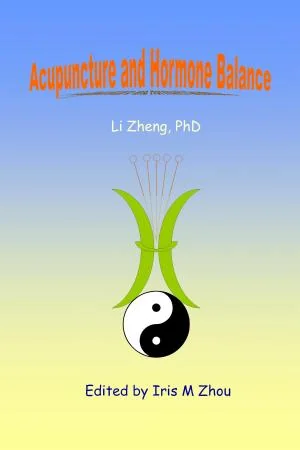
Acupuncture and Hormone Balance
 77
77

Acupuncture and Hormone Balance
Li Zheng's "Acupuncture and Hormone Balance" offers a compelling, if sometimes dense, exploration of how traditional Chinese medicine addresses endocrine and neurological issues. The strength lies in its detailed explanations of acupuncture's physiological effects, particularly its non-addictive pain relief mechanisms. A notable passage clarifies how specific points can influence cortisol levels, a concept vigorously debated in contemporary endocrinology. However, the book occasionally falters in providing robust empirical data for every claim, relying heavily on established TCM theory. While it poses many questions initially, the answers sometimes remain within the theoretical confines of Qi and meridians without extensive cross-referencing to Western scientific studies beyond general concepts. Nevertheless, for practitioners and serious students of TCM, it presents a valuable synthesis of ancient wisdom and modern health concerns.
📝 Description
77
Li Zheng's 2015 book connects acupuncture points to endocrine gland function.
This text examines the relationship between acupuncture and the body's hormonal systems. It suggests that specific needle placements and stimulation techniques can influence endocrine gland function, helping to regulate mood, metabolism, and reproductive health. The book explains how these traditional practices can address modern ailments by targeting neurochemical pathways.
Individuals experiencing stress-related disorders, infertility, chronic pain, addiction, or weight management issues may find relevant explanations here. It is for those seeking non-drug solutions for hormonal imbalances and immune system problems. The work is useful for understanding how traditional Chinese medicine principles apply to contemporary health challenges.
The book discusses acupuncture's long history, originating in ancient China. Its efficacy is presented as a result of millennia of observation. The text contrasts its methods with Western medicine, noting acupuncture's ability to promote healing without common pharmaceutical side effects.
The book is situated within the tradition of Traditional Chinese Medicine (TCM), which views health as a dynamic balance of vital energy, or Qi. This energy is understood to flow through specific pathways known as meridians. Imbalances or blockages in Qi are seen as the root cause of illness. Concepts like the Five Elements and Yin/Yang are used to diagnose and treat these imbalances, aiming to restore harmonious flow and promote well-being.
💡 Why Read This Book?
• You will learn how specific acupuncture points, such as those on the Spleen meridian, are theorized to regulate metabolism and appetite, offering a TCM perspective on weight management that differs from caloric restriction. • You will understand the proposed mechanisms by which acupuncture can mitigate stress and improve immune function by influencing the body's neurochemical responses, a concept explored in Chapter 2. • You will gain insight into why celebrities might choose acupuncture for fertility treatments, as the book details how it is believed to optimize reproductive organ function and hormonal cycles.
⭐ Reader Reviews
Honest opinions from readers who have explored this book.
❓ Frequently Asked Questions
How does acupuncture help with quitting smoking or alcohol according to Li Zheng?
The book explains that acupuncture can reduce cravings and withdrawal symptoms by calming the nervous system and balancing Qi. Specific points are targeted to address the addictive cycle and restore the body's equilibrium, making cessation less taxing.
What is the historical basis for acupuncture's use in hormone balance?
Acupuncture has been used in Traditional Chinese Medicine for millennia to harmonize bodily functions, including those governed by hormones. Its historical application reflects an understanding of the body as an interconnected system where energetic balance is key to overall health.
Can acupuncture really increase fertility success rates?
The book suggests that acupuncture can enhance fertility by improving blood flow to reproductive organs, reducing stress hormones that interfere with conception, and regulating the menstrual cycle. These effects are believed to create a more optimal environment for pregnancy.
Why does acupuncture alleviate pain without causing drowsiness?
Unlike many Western pain relievers, acupuncture stimulates the body's natural production of endorphins and other pain-relieving chemicals. This process is thought to work through specific meridian pathways without sedating effects, allowing for continued function.
What role does Qi play in acupuncture's effect on hormones?
According to TCM theory presented in the book, Qi is the vital energy that regulates all bodily functions, including hormonal production and release. Acupuncture aims to restore the smooth flow of Qi through meridians, thereby correcting hormonal imbalances.
How does acupuncture promote metabolism and suppress appetite?
The book posits that acupuncture can influence the digestive system and endocrine glands responsible for metabolism and appetite regulation. By stimulating specific points, it's believed to enhance digestive efficiency and reduce feelings of hunger.
🔮 Key Themes & Symbolism
The Qi-Meridian System
This book centers on the ancient Chinese concept of Qi, or vital energy, and its circulation through a network of meridians. Imbalances or blockages in Qi are presented as the root cause of various ailments, including hormonal dysregulation and stress. Acupuncture's efficacy is explained through its ability to unblock these pathways and restore the harmonious flow of Qi, thereby addressing symptoms at their energetic origin. The text explores how this system underpins the body's ability to maintain homeostasis and respond to internal and external stimuli.
Hormonal Equilibrium via Energetic Medicine
A core theme is the direct correlation drawn between the body's energetic state, as understood through acupuncture, and its hormonal balance. The book details how specific acupuncture points and techniques are believed to stimulate or sedate endocrine glands, influencing the production and release of hormones like cortisol, estrogen, and insulin. This perspective offers an alternative to purely biochemical explanations, framing hormonal health as intrinsically linked to the body's vital energy flow.
Acupuncture for Holistic Well-being
Beyond specific ailments, the work emphasizes acupuncture's role in promoting overall vitality and resilience. It addresses how the practice can alleviate stress, enhance immune function, and support detoxification pathways. By treating the body as an integrated whole, rather than a collection of symptoms, acupuncture is presented as a method for achieving lasting health and preventing future imbalances. This holistic viewpoint extends to its applications in addiction cessation and metabolic regulation.
Bridging Ancient Wisdom and Modern Health
The book serves as a bridge, translating the principles of Traditional Chinese Medicine into language and concepts relevant to contemporary health concerns. It seeks to answer why an ancient practice remains effective for modern issues like infertility, chronic pain, and stress-related disorders. By exploring these connections, it validates the enduring power of TCM and its potential to complement or offer alternatives to Western medical approaches.
💬 Memorable Quotes
Direct passages from the work, attributed to the author.
“Acupuncture promotes your metabolism and suppresses your appetite so you can regain your healthy body shape.”
— This statement highlights the book's focus on using acupuncture for weight management, suggesting it can influence bodily processes related to energy expenditure and hunger signals.
“Why can acupuncture increase the success rate of fertility?”
— This question posed in the book points to its exploration of how acupuncture might positively impact reproductive health and conception, framing it as a key benefit.
“Why can acupuncture relax our mind and body to alleviate stress and balance our immune function?”
— This question frames acupuncture as a tool for stress reduction and immune system support, suggesting a direct link between energetic balance and overall physiological well-being.
“How can acupuncture help people quit smoking or alcohol?”
— This query indicates the book's examination of acupuncture's role in addiction recovery, proposing its utility in managing cravings and withdrawal symptoms.
💡 Key Ideas
Editorial paraphrase of the work's core concepts — not direct quotes.
Why can acupuncture reduce the pain without causing drowsiness and addiction?
This quote underscores a significant advantage of acupuncture discussed in the text: its ability to manage pain effectively through the body's natural mechanisms, avoiding common side effects of pharmaceutical pain relief.
🌙 Esoteric Significance
Tradition
This work is situated within the broad tradition of Traditional Chinese Medicine, which itself possesses deep esoteric roots. While presented here with a focus on physiological outcomes, TCM's foundational concepts of Qi, meridians, Yin/Yang, and the Five Elements are inherently metaphysical. It aligns with Taoist philosophies concerning the balance of natural forces within the body and the universe, viewing illness as a disharmony in these forces that can be corrected through energetic manipulation.
Symbolism
Key symbols implicitly explored include the Yin/Yang duality, representing the complementary and opposing forces that must remain in balance for hormonal health. The concept of Qi circulation through meridians can be seen as a symbolic representation of life force flowing through invisible channels, essential for vitality. The needle itself symbolizes precise intervention, a focused application of energy to restore equilibrium within the body's energetic landscape.
Modern Relevance
Contemporary practitioners of integrative medicine and functional endocrinology increasingly acknowledge the potential of acupuncture for managing stress, pain, and reproductive health issues. Thinkers in the mind-body medicine movement draw parallels between TCM's energetic concepts and the psychoneuroimmunology (PNI) field. Modern acupuncture research often focuses on neurochemical pathways, seeking to bridge the gap between ancient theory and Western scientific understanding, making this book a foundational text for such explorations.
👥 Who Should Read This Book
• Individuals experiencing hormonal imbalances such as irregular periods, menopausal symptoms, or stress-related endocrine issues, seeking naturalistic treatment options. • Practitioners of acupuncture and Traditional Chinese Medicine looking to deepen their understanding of how specific points and techniques can be applied to endocrine and neurological conditions. • Anyone interested in exploring the intersection of ancient energetic medicine and modern health challenges, particularly concerning pain management, fertility, addiction, and metabolic health.
📜 Historical Context
Published in 2008, "Acupuncture and Hormone Balance" emerged during a period of growing Western interest in complementary and alternative medicine (CAM). Traditional Chinese Medicine (TCM), including acupuncture, was increasingly being researched and integrated into conventional healthcare systems. The book's focus on specific physiological outcomes like hormone regulation and pain management aligned with efforts to validate TCM's efficacy through a more scientific lens, moving beyond purely philosophical explanations. This era saw prominent figures like Andrew Weil advocating for integrative medicine. While not facing overt censorship, TCM faced skepticism from some within the established medical community who demanded rigorous, large-scale clinical trials, a debate that continued throughout the late 2000s.
📔 Journal Prompts
The concept of Qi flow and its relation to stress.
Your personal experience with acupuncture's effect on pain or mood.
The Five Elements theory as applied to hormonal balance.
How the body's energetic pathways might influence physical well-being.
The historical context of Traditional Chinese Medicine and its modern applications.
🗂️ Glossary
Qi (Chi)
The fundamental vital life force or energy believed to flow through the body in Traditional Chinese Medicine. Imbalances in Qi are considered the root cause of illness.
Meridians
Specific pathways or channels through which Qi is believed to circulate throughout the body, connecting acupuncture points and internal organs.
Hormone Balance
A state where the body's hormones are produced and regulated at optimal levels, ensuring proper physiological functioning and overall health.
Endocrine Function
The process by which endocrine glands produce and secrete hormones that regulate various bodily functions, including metabolism, mood, and reproduction.
Immune Function
The body's ability to defend itself against pathogens and disease. Acupuncture is explored for its potential to modulate and strengthen the immune response.
Metabolism
The set of life-sustaining chemical transformations within organisms, including how the body converts food into energy.
Yin and Yang
The complementary, interdependent, and opposing forces fundamental to Taoist philosophy and TCM, used to explain the dynamic balance of all phenomena, including bodily health.
This book appears in 1 collection
🔮 Readers Also Liked
Browse all →









From the “Acupuncture” Collection
View all →





More Free Occult Philosophy Books
View all →