A Year of Ritual
 78
78

A Year of Ritual
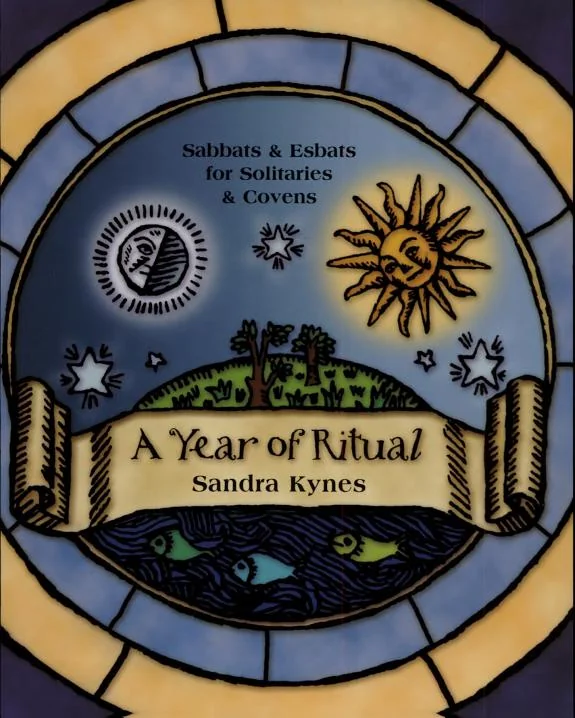
Sandra Kynes’s *A Year of Ritual* tackles the perennial challenge of integrating spiritual practice into the cacophony of daily life. Kynes offers a pragmatic solution: a year’s worth of pre-written rituals for Sabbats and Esbats. This is its chief strength – the sheer accessibility for those who might find crafting their own ceremonies daunting. The instructions are clear, making it suitable for solitary practitioners and groups alike. However, this very comprehensiveness can feel prescriptive. While Kynes encourages adaptation, the provided rituals sometimes lack the organic, evolving feel that deep personal practice cultivates. A specific passage detailing the Sabbat of Lughnasadh, for instance, offers a solid structure but might feel too generalized for someone deeply attuned to their local harvest cycles.
Ultimately, *A Year of Ritual* serves as a valuable primer and reliable resource for consistent observance, particularly for those newer to Pagan traditions.
📝 Description
78
Sandra Kynes's 2004 book, A Year of Ritual, structures spiritual practice around the annual cycle.
A Year of Ritual, published in 2004 by Sandra Kynes, provides a structured method for integrating spiritual practice with the flow of the year. It offers clear frameworks for observing significant celestial and seasonal events, aiming to help individuals and groups reconnect with natural cycles and the divine through thoughtful practice. The book is intended for practitioners of Wicca and Paganism, whether they work alone or in covens. It speaks to those who wish to deepen their connection to the earth and the cosmos, supplying practical tools for newcomers and seasoned ritualists alike. Its purpose is to help make the observance of Sabbats and Esbats a regular and meaningful part of one's spiritual life. The core of the book rests on the established traditions of Pagan and Wiccan festivals. Kynes acknowledges the significance of these celebrations for maintaining a link to the earth's rhythms and the wider spiritual world. By furnishing ready-made rituals, the book connects older practices with contemporary life, acting as a guide that respects the history of seasonal and lunar observances. A central idea is that intentional acts of observance can bring the body, mind, and spirit into alignment. The rituals function as focal points, grounding participants in the present moment and fostering a sense of the sacred. This deliberate engagement with time and nature is presented as a way toward spiritual development and a more secure sense of self.
This work falls within the modern Pagan and Wiccan traditions, specifically focusing on the cyclical nature of time as observed through seasonal and lunar events. It draws upon established festival structures like the Sabbats and Esbats, common in these paths. The book emphasizes the importance of intentional ritual as a means of connecting with natural rhythms and spiritual forces, a core tenet in many earth-based spiritualities. It offers practical applications for these beliefs, bridging theoretical understanding with hands-on practice for adherents.
💡 Why Read This Book?
• Gain ready-to-use frameworks for all eight Pagan Sabbats, ensuring consistent observance of seasonal shifts and providing a clear structure that respects the original 2004 publication's intent. • Deepen your connection to lunar cycles by utilizing the provided Esbat rituals, offering specific practices to align with the Moon's phases as presented in the text. • Develop a more grounded spiritual practice by engaging with the book's focus on aligning body, mind, and spirit through intentional ritual, as detailed throughout the year's suggested observances.
⭐ Reader Reviews
Honest opinions from readers who have explored this book.
❓ Frequently Asked Questions
What are the Sabbats mentioned in A Year of Ritual?
The Sabbats are eight major seasonal festivals observed in many Pagan traditions, including Wicca. Kynes covers Samhain, Yule, Imbolc, Ostara, Beltane, Litha, Lughnasadh, and Mabon, providing rituals for each throughout the year.
Are the rituals in A Year of Ritual suitable for solitary practitioners?
Yes, Sandra Kynes designed the rituals in *A Year of Ritual* to be adaptable for both solitary practitioners and groups. The text often includes notes on how to modify ceremonies for individual observance.
What are Esbats, and how does the book address them?
Esbats are celebrations honoring the full moon. *A Year of Ritual* provides specific rituals intended for these lunar observances, allowing practitioners to connect with the Moon's energies consistently.
Is A Year of Ritual considered a beginner's guide to Paganism?
While not exclusively a beginner's guide, its clear instructions and ready-made rituals make it highly accessible for those new to Paganism or Wicca seeking structured ways to observe seasonal and lunar events.
When was A Year of Ritual first published?
A Year of Ritual by Sandra Kynes was first published in 2004, offering a structured approach to seasonal and lunar celebrations that has guided practitioners for nearly two decades.
Can I adapt the rituals in A Year of Ritual for my specific tradition?
Sandra Kynes encourages adaptation. The book provides foundational structures for Sabbats and Esbats, which practitioners can modify to better suit their personal beliefs, local environment, and specific magical traditions.
🔮 Key Themes & Symbolism
Seasonal Alignment
The book emphasizes aligning one's spiritual life with the natural cycles of the earth, as marked by the eight Sabbats. Kynes presents these celebrations not merely as holidays, but as opportunities to foster a deep connection with the planet's rhythms. Each Sabbat ritual is designed to reflect the specific energies and themes of its corresponding season, encouraging practitioners to observe the subtle shifts in nature and integrate them into their spiritual practice, thereby reinforcing a sense of belonging within the larger cosmic order.
Lunar Observance
Beyond the solar year, *A Year of Ritual* dedicates significant attention to the Moon's cycles through the Esbat rituals. These practices are presented as vital for maintaining a consistent connection to feminine energies and intuitive wisdom. The book provides frameworks for honoring the full moon, a potent time for manifestation and reflection in many esoteric traditions. By offering specific rites for each Esbat, Kynes empowers readers to engage with lunar power regularly, fostering a cyclical and responsive approach to their spiritual work.
Ritual as Spiritual Anchor
The core tenet of the book is the transformative power of intentional ritual. Kynes positions these structured celebrations as essential tools for bringing the body, mind, and spirit into alignment, particularly in the face of modern life's distractions. The readily available rituals serve as anchors, guiding practitioners through moments of sacred focus. This emphasis on consistent, deliberate practice highlights ritual not just as an event, but as a sustained method for personal growth and spiritual cultivation.
Community and Solitary Practice
Kynes thoughtfully structures the rituals within *A Year of Ritual* to accommodate both communal and individual practice. The book acknowledges that Pagans and Wiccans may celebrate in covens or alone. This flexibility ensures that the wisdom of seasonal and lunar observance is accessible regardless of one's social context. Guidance is provided for adapting ceremonies, making the book a versatile resource for anyone seeking to engage in these traditions, whether with others or in personal devotion.
💬 Memorable Quotes
Direct passages from the work, attributed to the author.
“It's easy to lose ourselves in the everyday business of life.”
— This opening sentiment captures the common struggle of modern existence, where the mundane can overshadow spiritual connection, setting the stage for ritual as a remedy.
“One way to bring our bodies, minds, and spirits into alignment is through ritual celebrations.”
— This highlights the holistic purpose of ritual as presented in the book: not just an external act, but an internal process that integrates different aspects of the self.
“A vital part of Wicca and Paganism, ritual strengthens our connection to nature and helps us enter the area of the Divine.”
— This statement defines ritual's dual function within these traditions: fostering earthly connection and facilitating spiritual transcendence.
“For Witches and Pagans of all levels, A Year of Ritual provides ready-made rituals for a full year of Sabbats and Esbats.”
— This is a direct statement of the book's utility, emphasizing its comprehensive scope and accessibility for practitioners across the experience spectrum.
“Groups or solitary participants can use these easy-to-follow rituals.”
— This reinforces the book's practical design, underscoring its adaptability for diverse practice settings and its user-friendly approach.
🌙 Esoteric Significance
Tradition
This work is firmly rooted in modern Western Esotericism, specifically within the Wiccan and broader Pagan revival movements. It draws upon the cyclical worldview inherent in many earth-based spiritualities, focusing on the alignment of human experience with the cycles of the Sun and Moon. While not overtly Hermetic or Kabbalistic, it shares with these traditions a belief in the power of symbolic action and intentional ritual to affect both the practitioner and the spiritual cosmos.
Symbolism
The book centers on the symbolism inherent in the turning of the seasons (Sabbats) and the phases of the Moon (Esbats). The Sabbats symbolize death and rebirth, fertility, harvest, and rest, reflecting the Earth's annual journey. The Esbats, focused on the full Moon, typically symbolize culmination, illumination, feminine power, and intuitive insight. These celestial and terrestrial cycles serve as the primary symbolic language through which spiritual connection and personal transformation are facilitated.
Modern Relevance
Practitioners and authors in contemporary Paganism and witchcraft continue to find value in *A Year of Ritual*'s structured approach. It remains a go-to resource for those seeking clear, actionable templates for seasonal and lunar observances. Its emphasis on making ritual accessible appeals to modern spiritual seekers who may have limited time or experience but desire a tangible connection to nature and the divine through consistent practice.
👥 Who Should Read This Book
['• Beginning practitioners of Wicca and Paganism: Those new to these paths will find the ready-made rituals for Sabbats and Esbats useful for establishing a consistent practice.', "• Solitary Witches and Pagans: Individuals practicing alone can use the book's adaptable ceremonies to create meaningful observance without needing a coven structure.", "• Coven leaders and facilitators: Those guiding groups can utilize the provided rituals as a foundation, adapting them for their specific coven's needs and dynamics."]
📜 Historical Context
Published in 2004, *A Year of Ritual* emerged during a period of significant growth and diversification within Neopaganism and Wicca. The late 20th and early 21st centuries saw a burgeoning interest in earth-based spiritualities, moving them from fringe counterculture to more visible, albeit still niche, communities. Authors like Starhawk had already established foundational texts on feminist witchcraft and ritual structure, while others were exploring specific traditions. Kynes's work entered this landscape by offering a particularly accessible, year-round framework. Unlike highly academic or intensely tradition-specific offerings, *A Year of Ritual* aimed for broad appeal, providing practical, ready-to-use ceremonies. Its reception was generally positive among practitioners seeking structured observance, filling a need for clearly delineated rites for the Sabbats and Esbats that could be readily adopted by both solitary adherents and covens.
📔 Journal Prompts
Reflect on the Yule Sabbat's themes of rebirth and the returning light.
Consider the symbolic meaning of the full moon during an Esbat celebration.
How can the Imbolc ritual's focus on renewal be applied to personal goals?
Analyze the connection between the Litha Sabbat and personal vitality.
Document your experience adapting a Beltane ritual for solitary practice.
🗂️ Glossary
Sabbat
One of the eight major seasonal festivals observed in many Wiccan and Pagan traditions, marking significant points in the solar year, such as the solstices, equinoxes, and cross-quarter days.
Esbat
A term commonly used in Wicca and some Pagan traditions to refer to a ritual or celebration held during the full moon, often focusing on lunar energies and divine feminine aspects.
Paganism
A broad term encompassing various contemporary nature-based, polytheistic, or animistic spiritual paths, often emphasizing reverence for the earth and its cycles.
Wicca
A contemporary Neopagan religion characterized by the worship of a god and goddess, reverence for nature, and the practice of magic, often following seasonal cycles.
Ritual
A set of actions performed in a prescribed order, often for symbolic or religious purposes, intended to create a sacred space or facilitate spiritual connection and transformation.
Solitary Practitioner
An individual who practices a spiritual tradition, such as Wicca or Paganism, on their own, without formal affiliation with a group or coven.
Divine
Refers to the sacred, the ultimate reality, or a higher power, often understood in Paganism as immanent within nature and expressed through multiple deities or a universal life force.
This book appears in 1 collection
🔮 Readers Also Liked
Browse all →








From the “Paganism” Collection
View all →







More Free Witchcraft & Paganism Books
View all →