A Concise Description of Jannah & Jahannam, the Garden of Paradise and the Fire of Hell
 78
78

A Concise Description of Jannah & Jahannam, the Garden of Paradise and the Fire of Hell
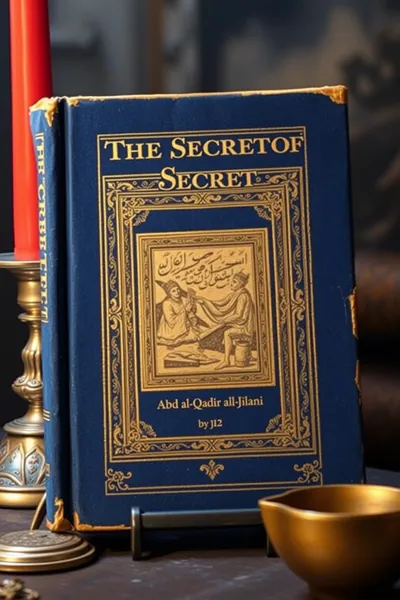
The translation by Muhtar Holland renders Shaikh 'Abd al-Qadir al-Jilani's descriptions of Jannah and Jahannam with commendable clarity. Holland’s meticulous approach allows the stark, vivid imagery of the afterlife, as understood in classical Islam, to come through without excessive modern interpretation. The strength of this concise volume lies in its directness; it presents the theological framework for Paradise and Hell with an authoritative, unadorned tone, reflecting its origin in al-Jilani's comprehensive spiritual guide. However, for readers unfamiliar with Islamic eschatology, the sheer density of detail might prove overwhelming. A passage detailing the specific levels of Jahannam, for instance, while theologically precise, offers little in the way of accessible narrative for the uninitiated. It serves as a scholarly resource rather than an introductory primer. Ultimately, this excerpt offers a focused, traditionalist perspective on the Islamic afterlife, valuable for its textual integrity.
📝 Description
78
Compiled nearly a millennium ago, this text details Islamic visions of Paradise and Hell.
This excerpt from Al-Ghunya li-Talibi Tariq al-Haqq, authored by the Hanbali scholar Abd al-Qadir al-Jilani, describes Jannah and Jahannam. It meticulously outlines the nature of these afterlife realms, their inhabitants, and their eternal conditions, drawing directly from Quranic verses and prophetic traditions. The work presents Jannah as an abode of eternal bliss, characterized by gardens, rivers, and closeness to God. Conversely, Jahannam is depicted as a place of intense punishment, with descriptions of its various levels, torments, and the divine justice it embodies. This text is aimed at students of comparative religion, Islamic theology scholars, and those seeking specific knowledge of Islamic eschatology. It is best suited for readers with a foundational understanding of Islamic principles who appreciate classical Islamic scholarship.
Abd al-Qadir al-Jilani was a prominent figure in Sufism. His writings, including this excerpt, often weave together orthodox Islamic jurisprudence with mystical contemplation. This text's placement within his larger work, 'Sufficient Provision for Seekers of the Path of Truth,' suggests its role in guiding adherents toward spiritual understanding and theological clarity, reflecting a common approach in Islamic mysticism to elucidate core doctrines through detailed contemplation.
💡 Why Read This Book?
• Gain a precise understanding of Jannah's descriptions as detailed in Shaikh 'Abd al-Qadir al-Jilani's early 12th-century work, moving beyond general concepts to specific enumerations of its gardens and rivers. • Explore the multi-layered depiction of Jahannam, learning about its distinct levels and torments as presented in "Al-Ghunya li-Talibi Tariq al-Haqq," offering a concrete theological framework for divine retribution. • Appreciate the translation by Muhtar Holland, a recognized expert in classical Arabic, ensuring fidelity to the original text's theological nuances concerning the Islamic afterlife.
⭐ Reader Reviews
Honest opinions from readers who have explored this book.
❓ Frequently Asked Questions
What is the original source of "A Concise Description of Jannah & Jahannam"?
This work is an excerpt from the larger treatise "Al-Ghunya li-Talibi Tariq al-Haqq" (Sufficient Provision for Seekers of the Path of Truth), compiled by the renowned scholar Shaikh 'Abd al-Qadir al-Jilani.
Who was Shaikh 'Abd al-Qadir al-Jilani?
Shaikh 'Abd al-Qadir al-Jilani (1077-1166 CE) was a prominent Hanbali jurist, theologian, and Sufi mystic of Persian origin. He is widely revered in the Islamic world, with his teachings forming a significant part of Sufi traditions.
What is the significance of Jannah and Jahannam in Islam?
Jannah (Paradise) is considered the eternal abode of reward for the righteous, while Jahannam (Hell) is the place of punishment for the unrighteous. Both are central tenets of Islamic eschatology, representing divine justice and mercy.
Who is Muhtar Holland, the translator?
Muhtar Holland is a respected translator of classical Arabic Islamic texts. His work is recognized for its accuracy and commitment to conveying the original meaning and tone of the source material.
When was "Al-Ghunya li-Talibi Tariq al-Haqq" originally written?
The original work, "Al-Ghunya li-Talibi Tariq al-Haqq," was written by Shaikh 'Abd al-Qadir al-Jilani almost one thousand years ago, placing its composition in the 11th or 12th century CE.
Is this book suitable for beginners in Islamic studies?
While informative, the book offers detailed theological descriptions. Beginners may benefit from having some foundational knowledge of Islamic beliefs and eschatology to fully grasp the specific terminology and concepts presented.
🔮 Key Themes & Symbolism
The Nature of Jannah
The book elaborates on Jannah not as a singular concept but as a meticulously described field of eternal delight. It details the physical and spiritual attributes, including gardens, rivers, pavilions, and the presence of divine favor. Shaikh al-Jilani's text enumerates specific blessings, such as seeing Allah, the company of prophets, and the absence of sorrow or fatigue, providing a comprehensive theological picture of the ultimate reward for the faithful.
The Reality of Jahannam
Jahannam is presented with stark and sobering detail, serving as a crucial element of Islamic eschatology. The work outlines its various levels, the distinct torments associated with each, and the types of transgressions that lead to them. It emphasizes divine justice and the consequences of disbelief and sin, detailing the fiery nature, intense heat, and perpetual suffering described in Islamic scripture and tradition.
The Path of Truth
As an excerpt from "Al-Ghunya li-Talibi Tariq al-Haqq," this text is intrinsically linked to the spiritual journey towards 'the Path of Truth.' The descriptions of Jannah and Jahannam function as both motivation and admonishment for seekers. Understanding these ultimate destinations is presented as essential for purifying the soul, adhering to divine law, and striving for spiritual perfection in this life.
Divine Justice and Mercy
The contrasting depictions of Jannah and Jahannam highlight the Islamic theological balance between divine mercy and justice. While Jahannam illustrates the consequences of rejecting divine guidance, Jannah exemplifies the boundless rewards for faith and righteous action. The work underscores that both outcomes are rooted in Allah's perfect knowledge and decree, a fundamental aspect of Islamic belief concerning the afterlife.
💬 Memorable Quotes
Direct passages from the work, attributed to the author.
“The Garden of Paradise is a place of abundant blessings and eternal delights.”
— This statement captures the core description of Jannah, emphasizing its reward-based nature and the perpetual joy and fulfillment promised to the righteous in Islamic theology.
“Hellfire is a place of severe punishment, with varying degrees of torment.”
— This highlights the structured and terrifying nature of Jahannam as depicted in Islamic eschatology, suggesting that the punishment is proportionate to one's deeds and beliefs.
“The ultimate aim is to attain the pleasure of Allah and His proximity.”
— This interpretation emphasizes the spiritual goal behind understanding the descriptions of the afterlife, pointing towards the divine presence as the highest reward in Jannah.
“The seeker of truth must contemplate these realities to purify their path.”
— This reflects the pedagogical purpose of al-Jilani's work, suggesting that vivid descriptions of the afterlife are tools for spiritual discipline and guiding believers toward righteous living.
💡 Key Ideas
Editorial paraphrase of the work's core concepts — not direct quotes.
Consequences in the hereafter are a direct reflection of one's actions in this world.
This paraphrase underscores the principle of accountability in Islam, where the eternal states of Jannah or Jahannam are understood as the direct result of one's earthly conduct and faith.
🌙 Esoteric Significance
Tradition
This work is situated within the orthodox Islamic tradition, specifically the Sufi interpretation of Islamic eschatology. While not strictly adhering to Western esoteric frameworks like Kabbalah or Hermeticism, its focus on the inner spiritual journey and the symbolic nature of the afterlife aligns with mystical approaches across traditions. Al-Jilani's meticulous detailing of Jannah and Jahannam serves as a practical tool for spiritual discipline and contemplation, a common element in esoteric paths aimed at purifying the soul and drawing closer to the Divine.
Symbolism
Jannah is symbolized by lush gardens, flowing rivers, and eternal light, representing spiritual purity, divine blessings, and the ultimate union with the Divine. Jahannam, conversely, is symbolized by fire, darkness, and chains, representing the consequences of spiritual impurity, separation from God, and the torment of the ego. The Day of Judgment serves as a potent symbol of ultimate reckoning and divine justice, a central moment where all souls face their eternal destiny based on their earthly deeds and inner state.
Modern Relevance
Contemporary Sufi orders and Islamic scholars continue to draw upon al-Jilani's teachings, including his descriptions of the afterlife, for spiritual guidance and theological instruction. Thinkers and practitioners interested in comparative eschatology or the mystical dimensions of Abrahamic religions find value in this text's direct engagement with classical Islamic views on Paradise and Hell. Its emphasis on the consequences of actions and the pursuit of divine pleasure remains relevant for those seeking a spiritual path grounded in traditional teachings.
👥 Who Should Read This Book
• Students of Islamic theology and eschatology seeking accurate, classical descriptions of Jannah and Jahannam based on Quran and Hadith. • Sufi practitioners and spiritual seekers who wish to deepen their understanding of the afterlife as a motivator for spiritual discipline and devotion. • Scholars of comparative religion and philosophy of religion interested in the diverse theological frameworks of the afterlife across different faith traditions.
📜 Historical Context
Shaikh 'Abd al-Qadir al-Jilani composed "Al-Ghunya li-Talibi Tariq al-Haqq" in the 11th or 12th century CE, a period of significant intellectual and spiritual activity within the Abbasid Caliphate. His work emerged within the rigorous theological framework of the Hanbali school of jurisprudence, which emphasized adherence to Quran and Sunnah. This era also saw the flourishing of Sufism, with figures like al-Jilani bridging orthodox scholarship and mystical practice. His teachings were influential across diverse Islamic regions, and his eminence was recognized by contemporaries and later scholars, including the prominent theologian Ibn Taymiyyah, who cited his work. The detailed eschatological discussions presented here reflect a mainstream orthodox Islamic understanding, contrasting with more philosophical or speculative approaches to the afterlife found in certain other intellectual currents of the time.
📔 Journal Prompts
The descriptions of Jannah's blessings and Jahannam's torments as presented in this text.
The concept of divine justice and mercy in relation to the eternal states of Jannah and Jahannam.
The role of Shaikh 'Abd al-Qadir al-Jilani's 'Al-Ghunya li-Talibi Tariq al-Haqq' in shaping Islamic spiritual guidance.
The symbolic representations of eternal bliss in Jannah and eternal punishment in Jahannam.
How the understanding of the afterlife influences one's actions and spiritual aspirations today.
🗂️ Glossary
Jannah
The Arabic term for Paradise, the eternal abode of reward for the righteous in Islam. It is described in the Quran and Hadith as a place of ultimate bliss and divine pleasure.
Jahannam
The Arabic term for Hellfire, the place of punishment for disbelievers and wrongdoers in Islamic eschatology. It is depicted as a field of suffering with various levels and torments.
Shaikh 'Abd al-Qadir al-Jilani
A highly revered 11th-12th century Hanbali scholar, jurist, and Sufi mystic of Persian origin, known for his comprehensive spiritual and legal works, including 'Al-Ghunya li-Talibi Tariq al-Haqq'.
Al-Ghunya li-Talibi Tariq al-Haqq
An important work by Shaikh 'Abd al-Qadir al-Jilani, meaning 'Sufficient Provision for Seekers of the Path of Truth.' It covers a wide range of Islamic theology, jurisprudence, and spiritual guidance.
Muhtar Holland
A respected translator of classical Arabic Islamic texts, known for his accurate and scholarly renditions, including this excerpt on the Islamic afterlife.
Eschatology
The branch of theology concerned with death, judgment, and the final destiny of the soul and of humankind. In Islam, this includes detailed descriptions of Jannah and Jahannam.
Hanbali School
One of the four major Sunni schools of Islamic jurisprudence, known for its strict adherence to the Quran and the Sunnah (teachings and practices of Prophet Muhammad).