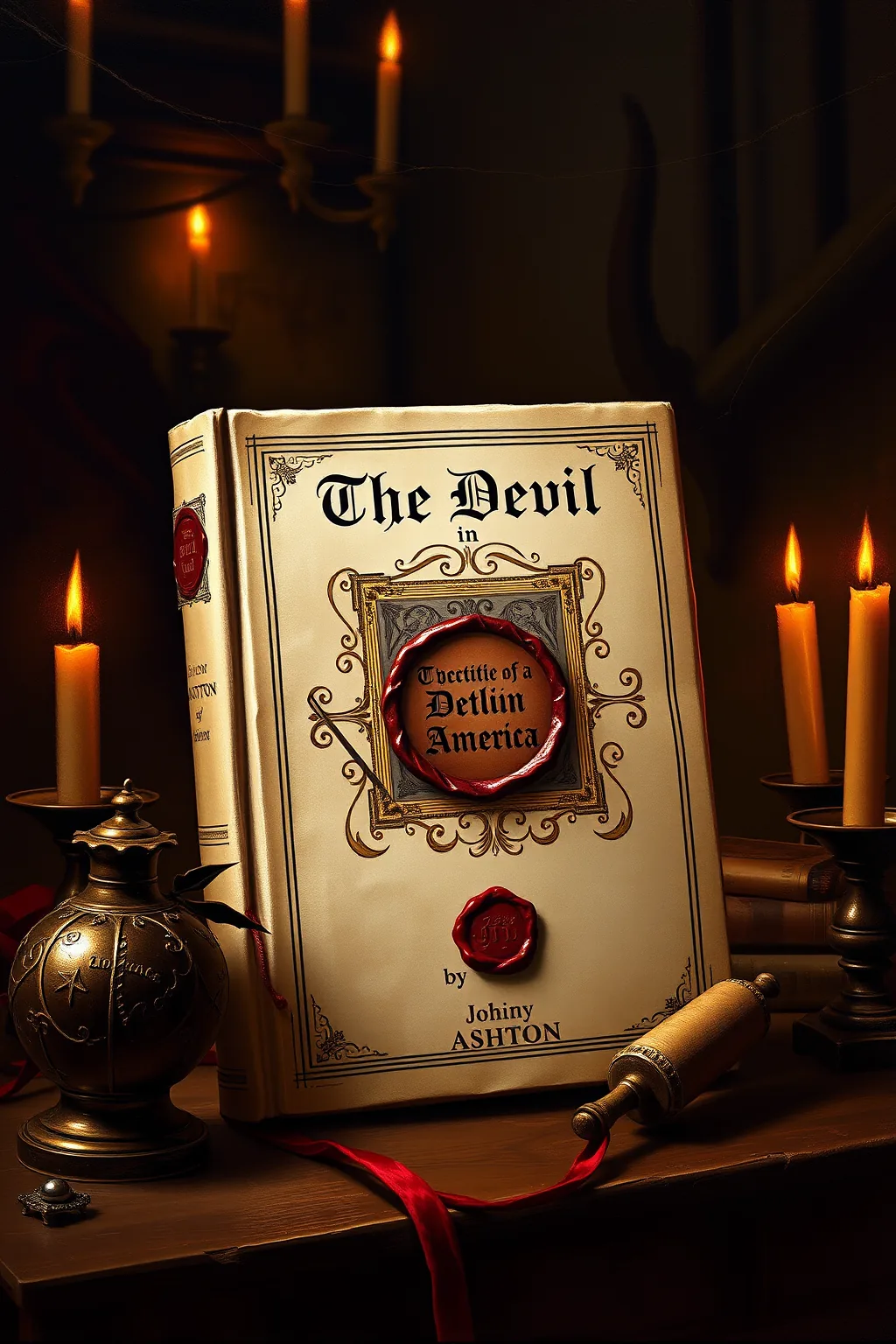
The Devil in Britain and America
 69
69

The Devil in Britain and America


The Devil in Britain and America by John Ashton is a compelling and thorough examination of witchcraft and the occult in historical contexts. Published in 1834, the book remains relevant today for its deep dive into the societal and religious factors that contributed to the witchcraft hysteria of the past. Ashton's writing is both scholarly and engaging, making it accessible to a wide range of readers. For modern esoteric seekers, this book offers valuable insights into the enduring fascination with the dark arts and the supernatural. It serves as a reminder of the dangers of unchecked superstition and religious fervor. The book's detailed accounts of witch trials and folklore are particularly fascinating, providing a window into the minds of those who lived in fear of the devil and his supposed followers. This is a must-read for anyone interested in the history of witchcraft and the occult. Rating: 4/5 stars.
📝 Description
69
John Ashton's 1896 study examines the Devil's role in British and American folklore and occult history.
John Ashton's 1896 book, 'The Devil in Britain and America,' investigates the historical presence and cultural significance of diabolic imagery and belief systems. The author compiles accounts from various periods, tracing the evolution of demonology and its impact on society. Ashton draws upon historical records, folklore collections, and philosophical discussions to present a broad view of how the concept of the Devil has been understood and depicted.
This work is not a simple catalog of superstitions but a thoughtful inquiry into the persistent influence of these ideas. It connects historical events and social anxieties to the narratives surrounding diabolical forces. The book considers the rituals, symbols, and occult practices associated with these beliefs, offering a comprehensive look at their place within Western culture. Ashton's research provides a detailed examination of a complex subject, making it a valuable resource for understanding the historical underpinnings of these traditions.
This book sits within the late 19th-century surge of interest in occultism, demonology, and folklore studies. It emerged during a time when scholars and enthusiasts were actively documenting and analyzing previously marginalized spiritual and magical traditions. Ashton's work contributes to this milieu by systematically presenting historical accounts and folklore related to the Devil, bridging academic inquiry with an interest in the hidden or darker aspects of human belief and practice. It reflects a broader cultural engagement with the supernatural and the occult during that era.
✍️ Author
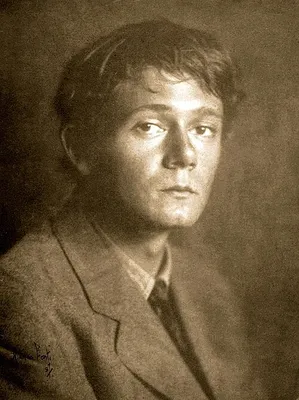
Ashton, John
Clark Ashton Smith (January 13, 1893 – August 14, 1961) was an influential American writer of fantasy, horror, and science fiction stories and poetry, and an artist. He achieved early recognition in California (largely through the enthusiasm of George Sterl…
💡 Why Read This Book?
Reading The Devil in Britain and America today offers a unique opportunity to understand the historical roots of modern esoteric beliefs and practices. It provides a comprehensive look into the societal and religious factors that fueled the witchcraft hysteria of the past, offering valuable insights into the enduring fascination with the occult. By exploring the detailed accounts of witch trials and folklore, readers can gain a deeper appreciation for the cultural and historical context of witchcraft and paganism. This book is an essential read for anyone interested in the history of the occult and the dark arts, as well as for scholars of religious studies and cultural anthropology.
⭐ Reader Reviews
Honest opinions from readers who have explored this book.
❓ Frequently Asked Questions
What is the main focus of The Devil in Britain and America?
The main focus of the book is the historical and esoteric dimensions of witchcraft in Great Britain and the United States, particularly during the 17th and 18th centuries.
Who should read this book?
This book is ideal for readers interested in the history of witchcraft, paganism, and the occult, as well as scholars of religious studies and cultural anthropology.
What makes this book relevant today?
The book provides valuable insights into the enduring fascination with the occult and the dark arts, offering a historical context for modern esoteric beliefs and practices.
🔮 Key Themes & Symbolism
The Devil's Symbolism
Ashton examines the detailed symbolism surrounding the Devil, exploring how this figure has been represented in various cultures and traditions. From the horns and tail to the goat's head, each symbol carries deep esoteric meanings that reveal the Devil's enduring power.
Witchcraft and Diabolic Lore
The book uncovers the hidden knowledge and rituals associated with witchcraft and diabolic lore, offering a comprehensive look at the mystical practices that have shaped Western culture.
Philosophical Inquiry
Ashton invites readers to contemplate the deeper philosophical questions surrounding the Devil's influence, exploring the ethical and moral dimensions of these ancient beliefs.
💬 Memorable Quotes
Direct passages from the work, attributed to the author.
“Witchcraft is a path to hidden knowledge, a journey into the mysteries of the self.”
— Ashton highlights the esoteric and transformative potential of witchcraft practices.
“The rituals of the occult are not mere superstitions, but pathways to profound spiritual insights.”
— Ashton emphasizes the mystical and transformative power of occult rituals.
💡 Key Ideas
Editorial paraphrase of the work's core concepts — not direct quotes.
The Devil's power lies not in his strength, but in his ability to reveal our deepest fears.
This quote underscores the psychological and symbolic significance of the Devil in our collective consciousness.
The Devil is a mirror, reflecting the darkness within us all.
This passage invites readers to consider the Devil as a symbol of self-discovery and introspection.
The Devil's influence is a proof of the enduring power of myth and symbolism in human culture.
This quote underscores the timeless relevance of the Devil in our collective mythology.
🌙 Esoteric Significance
Tradition
This book belongs to the Hermetic and Gnostic traditions, exploring the mystical and esoteric dimensions of the Devil's influence. It examines ancient rituals, symbolism, and the enduring power of occult beliefs.
Symbolism
Key symbols in the book include the horns, tail, and goat's head, each carrying deep esoteric meanings that reveal the Devil's enduring power. Ashton's exploration of these symbols offers clear insights into the mystical dimensions of the Devil's influence.
Modern Relevance
This book remains relevant today for modern practitioners of witchcraft and paganism, offering a collection of historical accounts, folklore, and philosophical inquiry. It provides a deep understanding of the occult and mystical traditions that continue to shape Western culture.
👥 Who Should Read This Book
Beginners will find this book intriguing, but it is best suited for those with some prior knowledge of occult and mystical traditions. Scholars of the mystical arts will appreciate Ashton's deep dive into the symbolism and hidden knowledge surrounding witchcraft and diabolic lore. Spiritual seekers and practitioners of witchcraft and paganism will find clear insights into the mystical and esoteric dimensions of the Devil's influence.
📜 Historical Context
Written in an era where the occult and mystical traditions were often suppressed, 'The Devil in Britain and America' sheds light on the hidden knowledge and practices that have shaped Western culture. Ashton's meticulous research and scholarly rigor provide a comprehensive look at the historical significance of the Devil's influence, making this book an invaluable resource for scholars and seekers of hidden knowledge.
📔 Journal Prompts
How does the Devil's symbolism resonate with your personal beliefs and experiences?
What hidden knowledge or rituals from the book have you found particularly enlightening?
In what ways does the Devil's influence reveal your deepest fears or desires?
How can the philosophical inquiries in the book help you understand the ethical and moral dimensions of occult beliefs?
What modern practices or beliefs can you trace back to the ancient traditions explored in the book?
🗂️ Glossary
Diabolic Lore
The body of knowledge and beliefs surrounding the Devil and his influence, often associated with witchcraft and occult practices.
Hermetic Tradition
A mystical and esoteric tradition that seeks to uncover hidden knowledge and spiritual truths through the study of ancient texts and symbols.
Gnostic Tradition
A mystical and esoteric tradition that emphasizes the importance of personal spiritual experience and the search for hidden knowledge.
Occult Beliefs
Beliefs and practices that are considered secret or hidden, often associated with the mystical and esoteric dimensions of religion and spirituality.
Witchcraft
A mystical and esoteric tradition that involves the practice of magic and the invocation of spirits, often associated with the worship of the Devil.
This book appears in 2 collections
🔮 Readers Also Liked
Browse all →


More by Ashton, John
All books →
From the “Witchcraft” Collection
View all →





More Free Witchcraft & Paganism Books
View all →