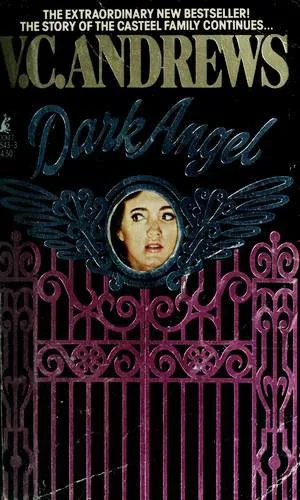
Dark Angel
 76
76

Dark Angel
V.C. Andrews' Dark Angel presents a chillingly effective exploration of inherited psychological burdens, a strength that makes its 1972 publication notable. The novel excels at building a pervasive sense of dread, largely through its focus on the protagonist's internal turmoil and the suffocating atmosphere of her ancestral home. One particularly striking element is the depiction of how past family secrets manifest as palpable anxieties in the present generation. However, the narrative occasionally falters in its pacing, with certain plot developments feeling overly protracted. While the book doesn't offer explicit occult teachings, its thematic resonance with ancestral curses and the darkness within the human psyche offers a compelling, albeit fictional, lens for metaphysical contemplation. It stands as a potent, if sometimes slow-burning, examination of familial darkness.
📝 Description
76
V.C. Andrews' 1972 novel, Dark Angel, examines inherited psychological burdens.
Dark Angel, published in 1972, is a novel by V.C. Andrews that scrutinizes the deeper aspects of human psychology and the ways family history shapes individuals. The story looks at concealed traumas, unacknowledged desires, and the repetition of suffering across different generations. It does not function as a guide to occult practices; instead, it uses a gothic literary style to depict psychological darkness. Through elements of suspense and mystery, the narrative unearths long-buried secrets.
This book will resonate with readers who enjoy psychological gothic fiction, stories centered on character development, and complex family sagas. Those who admire authors such as Shirley Jackson or Daphne du Maurier for their ability to create atmospheric tension and morally complex characters may find Dark Angel appealing. It is suitable for readers seeking literary fiction that probes the darker elements of human nature and the lasting effects of past events on the present, rather than for those looking for explicit supernatural content.
Published in 1972, Dark Angel appeared during a time when literary interest in psychoanalytic ideas was growing. The novel's focus on inherited psychological wounds and patterns echoes a wider cultural fascination with lineage and the subconscious. While not a direct esoteric text, its exploration of internal darkness and passed-down afflictions aligns with broader societal interests in understanding the hidden forces that shape human lives, a concept explored in depth by figures like Carl Jung through his work on archetypes and the collective unconscious.
💡 Why Read This Book?
• Gain insight into the psychological gothic genre by engaging with V.C. Andrews' masterful use of atmosphere, particularly the oppressive setting of the ancestral home, a key element in her 1972 work. • Understand the concept of inherited psychological trauma as depicted in fiction, examining how the narrative illustrates the impact of past family secrets on the present generation. • Experience a character-driven narrative that probes the darker aspects of human nature, offering a fictional exploration of internal conflict and suppressed desires distinct from didactic occult texts.
⭐ Reader Reviews
Honest opinions from readers who have explored this book.
❓ Frequently Asked Questions
Is V.C. Andrews' Dark Angel a book of spells or rituals?
No, V.C. Andrews' Dark Angel (1972) is a work of psychological gothic fiction, not a grimoire. It explores themes of inherited trauma and family secrets through narrative, rather than providing instructions for occult practices.
What are the main themes in Dark Angel?
The primary themes in Dark Angel revolve around inherited psychological trauma, the burden of family secrets, the duality of human nature, and the pervasive influence of the past on the present.
Who would enjoy reading Dark Angel?
Readers who appreciate psychological gothic literature, character-driven stories, and dark family sagas, similar to authors like Shirley Jackson, are likely to enjoy Dark Angel.
When was Dark Angel first published?
Dark Angel by V.C. Andrews was first published in 1972, placing it within the era of popular psychological thrillers and gothic revivals.
Does the book explore supernatural elements?
While Dark Angel focuses on psychological horror and gothic atmosphere, it does not typically present overt supernatural entities. The 'darkness' is largely depicted as psychological and inherited.
Is this book related to V.C. Andrews' Dollanganger series?
While both feature V.C. Andrews' signature dark themes, Dark Angel is a standalone novel and not part of the Dollanganger series, which began with Flowers in the Attic.
🔮 Key Themes & Symbolism
Inherited Trauma
The narrative of Dark Angel frequently orbits the concept of inherited psychological burdens. It suggests that the unresolved traumas and deep-seated anxieties of one generation can manifest in the next, creating a cycle of suffering. This theme is explored not through supernatural curses, but through the psychological imprinting and environmental influences that shape characters' lives, often unbeknownst to them, impacting their relationships and internal states.
Family Secrets
Secrets form a corrosive undercurrent throughout the novel, acting as a catalyst for much of the psychological distress experienced by the characters. The weight of hidden truths, often concerning past transgressions or hidden lineage, creates an atmosphere of pervasive unease. The work examines how the suppression of these secrets can lead to distorted perceptions and fractured family dynamics, demonstrating their wide impact on individual well-being.
Duality of Nature
Dark Angel looks at the inherent duality present within human beings. Characters often grapple with conflicting impulses – the struggle between their innate capacity for goodness and the darker, more destructive tendencies that can surface under pressure or due to circumstance. This internal conflict is frequently exacerbated by their familial backgrounds and the environments they inhabit, highlighting the complex interplay between nature and nurture.
Atmospheric Dread
Beyond specific themes, the book masterfully constructs an atmosphere of dread and foreboding. This is achieved through vivid descriptions of setting, particularly the oppressive and decaying ancestral home, and through the careful pacing that builds suspense. The palpable sense of unease contributes significantly to the narrative's impact, immersing the reader in the characters' psychological states and the unsettling nature of their circumstances.
💬 Memorable Quotes
Direct passages from the work, attributed to the author.
“She carried the weight of her family's unspoken sorrows.”
— This interpretation conveys the theme of inherited trauma, illustrating how the emotional burdens and suffering of previous generations can become a palpable, internalized load for descendants.
“Beneath the veneer of respectability lay a rot that had festered for years.”
— This concept points to the hidden corruption and decay within the family structure, suggesting that outward appearances mask deep-seated moral or psychological sickness that has been present for a long time.
“The house itself seemed to breathe secrets.”
— This evocative image captures the pervasive atmosphere of mystery and hidden knowledge within the narrative's setting, implying that the location is imbued with the weight of past events and concealed truths.
💡 Key Ideas
Editorial paraphrase of the work's core concepts — not direct quotes.
The past was a ghost that haunted the halls.
This paraphrased concept highlights the pervasive influence of past events and unresolved issues, suggesting they are not merely memories but active forces that shape the present environment and the characters' psychological states.
Her own darkness mirrored the shadows of her ancestors.
This paraphrased concept speaks to the theme of duality and inherited characteristics, suggesting a direct link between the protagonist's internal struggles and the perceived negative traits or experiences of her forebears.
🌙 Esoteric Significance
Tradition
While Dark Angel is primarily a work of psychological gothic fiction and not a direct transmission of esoteric doctrine, its exploration of inherited psychological burdens and the pervasive influence of ancestral darkness can be loosely connected to concepts found in certain branches of occult thought that examine generational karma or psychic inheritance. It operates more as a fictional mirror reflecting anxieties about lineage and the subconscious that have parallels in esoteric traditions like Western esotericism's focus on hidden influences.
Symbolism
The ancestral home in Dark Angel functions as a potent symbol of the past and the weight of history pressing down on the present. Shadows and darkness, pervasive motifs, represent not just physical obscurity but also ignorance, hidden truths, and the protagonist's own internal struggles. The recurring motif of decay, both physical within the house and psychological within the characters, symbolizes the corrupting influence of secrets and unresolved trauma.
Modern Relevance
Contemporary explorations of inherited trauma, particularly within therapeutic modalities like EMDR or somatic experiencing, echo the narrative's fictional depiction of how past suffering can manifest physically and psychologically in descendants. Furthermore, the novel's focus on the psychological impact of family secrets continues to resonate in modern discussions around intergenerational healing and the importance of confronting familial histories, even if approached from a secular or therapeutic perspective.
👥 Who Should Read This Book
• Readers interested in psychological gothic fiction will find a compelling narrative that excels in atmospheric tension and character-driven suspense, similar to works published around 1972. • Individuals fascinated by the concept of inherited trauma and family secrets will appreciate the novel's fictional exploration of how past events can profoundly shape present lives and psychological states. • Fans of dark, character-focused literary fiction that probes the unsettling aspects of human nature and familial relationships will discover a thought-provoking narrative within Dark Angel.
📜 Historical Context
V.C. Andrews' Dark Angel, published in 1972, emerged in a literary climate receptive to gothic fiction and psychological thrillers, building on the success of authors like Daphne du Maurier. The era saw a continued public fascination with psychoanalysis, particularly Freudian and Jungian concepts concerning the unconscious, repressed memories, and the impact of childhood experiences, which heavily informed narrative explorations of dark family sagas. While not an esoteric text itself, its themes of inherited darkness and psychological inheritance resonated with a broader cultural interest in lineage and the subconscious. The book found its audience among readers drawn to suspenseful, character-focused narratives that probed the unsettling aspects of human nature, a trend that also saw works exploring themes of inherited curses and generational trauma gain popularity, sometimes leading to critical debates about sensationalism versus genuine psychological depth in popular fiction.
📔 Journal Prompts
The oppressive atmosphere of the ancestral home, as depicted in Dark Angel.
The weight of unspoken family secrets and their impact.
The protagonist's internal struggle with inherited darkness.
Reflect on how environments can shape psychological states, as shown in the novel.
The symbolic meaning of shadows and decay within the narrative.
🗂️ Glossary
Psychological Gothic
A literary subgenre that emphasizes psychological horror, internal states, and mental anguish over overt supernatural elements, often set in decaying or isolated environments.
Inherited Trauma
The concept that psychological wounds and traumatic experiences can be passed down through generations, affecting descendants' emotional and behavioral patterns.
Family Saga
A narrative that chronicles the history and evolution of a family over multiple generations, often focusing on dramatic events, relationships, and conflicts.
Atmosphere
The prevailing mood or tone of a literary work, often created through setting, description, and narrative pacing to evoke specific emotional responses in the reader.
Duality of Nature
The philosophical or psychological concept that individuals possess two opposing sides or natures, such as good and evil, or rational and irrational impulses.
Vestiges of the Past
Lingering remnants or traces of past events, influences, or conditions that continue to affect the present, often in subtle or subconscious ways.
Festering Secrets
Hidden truths or wrongdoings that, when concealed over time, grow worse and more damaging, leading to corruption or decay within individuals or families.
🔮 Readers Also Liked
Browse all →








More by V.C. Andrews
All books →

More Free Occult Philosophy Books
View all →