The geomancer
 62
62

The geomancer



Silas Hawthorne (Hermetic Studies Editor) — Clay Griffith's 'The Geomancer' is a compelling descent into the arcane heart of a world where ancient pacts unravel. The author's adept handling of geomancy as a potent, yet fallible, force provides a unique mystical framework. The narrative skillfully explores themes of corrupted power and the desperate fight for equilibrium, resonating with practitioners of earth magic and students of occult philosophy. Its strength lies in its intricate world-building and the palpable sense of encroaching dread, making it an essential read for those drawn to sophisticated supernatural fiction with a deep esoteric undercurrent.
📝 Description
62
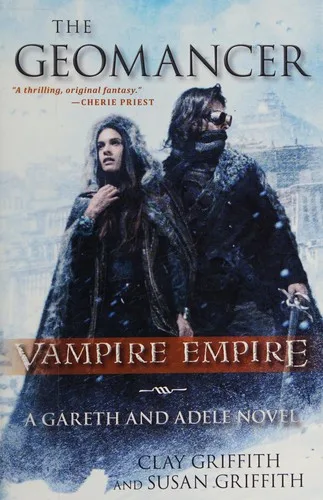
Clay Griffith’s 2019 novel The Geomancer places geomancy against a vampire threat in Britain.
In Clay Griffith's The Geomancer, Britain faces a resurgent darkness when the truce between humans and ancient vampire clans collapses. Geomancy, once a force for order, struggles against this encroaching shadow. The story follows Adele, a powerful geomancer whose skills are pushed to their limit by a series of violent murders across London. These killings echo the return of the vampires, plunging the city into fear.
The narrative blends occult traditions, earth magic, and the raw fight for control. It examines hidden knowledge, the symbolic language of the land, and the subtle power dynamics between the visible and hidden realms. The Geomancer appeals to readers interested in the esoteric forces influencing our world, presenting a fast paced story rooted in metaphysical literature and dark fantasy.
This novel engages with geomancy, an ancient practice concerned with the energies of the earth and its symbolic representation. Geomancy, which often involves divination through patterns and earth features, is here reimagined as a magical system capable of influencing worldly events and defending against supernatural threats. The book connects this earth-based magic to broader occult traditions and explores its potential role in maintaining balance against encroaching darkness, situating it within a lineage of metaphysical and fantasy literature that draws on esoteric concepts.
💡 Why Read This Book?
For seekers of hidden knowledge and practitioners of the mystical arts, 'The Geomancer' offers a thrilling narrative that dissects the interplay of geomancy, vampiric power, and the delicate balance of the world. It's an ideal read for those who appreciate richly imagined lore, symbolic depth, and a gripping tale of supernatural conflict that questions the very foundations of order. Explore the esoteric implications of earth magic and the eternal struggle against encroaching darkness.
⭐ Reader Reviews
Honest opinions from readers who have explored this book.
❓ Frequently Asked Questions
What is geomancy as depicted in 'The Geomancer'?
In 'The Geomancer,' geomancy is presented as an ancient art that draws power from the earth's ley lines and elemental forces. It is used for divination, protection, and maintaining order, but its efficacy can be challenged by darker, external influences.
Are the vampires in this book traditional folklore creatures?
While drawing inspiration from vampiric lore, Griffith's vampires are presented as ancient, powerful beings with their own clans and motivations, capable of wielding new, terrifying abilities that challenge established magical defenses.
What is the role of the 'Witchfinder'?
The Witchfinder is a dangerous human antagonist who has discovered a method to make vampires immune to geomancy. He serves new vampire lords and represents a significant threat to the existing order, wielding forbidden knowledge.
Is this book suitable for beginners in occult fiction?
Yes, while rich in esoteric detail, the engaging plot and character development make it accessible to readers new to occult fiction, serving as an excellent entry point into the genre.
Does the book explore themes of good versus evil?
The book delves into complex moral ambiguities, exploring the nature of power, order, and survival. It questions simplistic notions of good and evil, presenting a world where alliances shift and motivations are layered.
🔮 Key Themes & Symbolism
The Fragility of Order and the Return of Darkness
This theme explores the precarious balance between order and chaos, specifically the uneasy truce between humans and vampires. The narrative looks at how established systems of control, like geomancy, can falter, allowing ancient, primal forces to re-emerge. It questions the nature of peace and the cyclical patterns of conflict, suggesting that true stability is often an illusion easily shattered by burgeoning malevolence and the reawakening of forgotten powers. The book examines the psychological and societal impact when the perceived bulwarks against darkness begin to crumble, leaving populations vulnerable and forcing protagonists to confront escalating threats.
Geomancy as Earthly Wisdom and its Vulnerabilities
Geomancy is presented not merely as a magical system, but as a profound connection to the earth's energies and a form of ancient wisdom. The text explores its capabilities in divination, protection, and maintaining a harmonious balance. However, a central conflict arises from its potential vulnerability to corruption and external manipulation. This theme investigates the limits of such esoteric arts when confronted with novel forms of power or deliberate subversion. It prompts reflection on whether even the most grounded forms of magic can be overcome by ingenuity born of desperation or a thirst for domination, highlighting the ongoing struggle to safeguard ancient knowledge.
The Corrupted Pawn and the Shifting Alliances
The introduction of the 'Witchfinder' signifies a disturbing new paradigm where human intellect is weaponized to serve dark supernatural agendas. This theme examines the concept of the corrupted pawn—an individual who, driven by madness or ambition, betrays their own kind to empower monstrous entities. It explores how such figures can destabilize established power structures and create unforeseen threats. Furthermore, the narrative hints at shifting alliances and the emergence of 'new vampire lords,' suggesting a complex, evolving geopolitical landscape within the supernatural realm, where loyalty is fluid and power is constantly being redefined.
💬 Memorable Quotes
Direct passages from the work, attributed to the author.
“Order is a fragile shield, easily pierced by ancient hunger.”
— This highlights the precariousness of human civilization and its magical defenses against the primal, insatiable desires of ancient beings like vampires.
“He found the cracks in the tie, where sunlight fears to tread.”
— This implies the Witchfinder's discovery of hidden, dark pathways or weaknesses in the fabric of reality, allowing him to circumvent established magical barriers.
“When the ley lines bleed, so too does the world.”
— This evocative line connects the health of the earth's energetic pathways (ley lines) directly to the well-being of the world, suggesting that their corruption leads to widespread suffering.
“Power craves not only dominion, but also the silence of its opposition.”
— This speaks to the ultimate goal of the antagonistic forces: not just to rule, but to eradicate any form of resistance or counter-power, including the very essence of geomancy.
💡 Key Ideas
Editorial paraphrase of the work's core concepts — not direct quotes.
The earth remembers, but it can also be made to forget.
This quote suggests that geomantic power, tied to the earth's memory, can be manipulated or suppressed, implying a struggle against forces that seek to erase or corrupt fundamental natural energies.
🌙 Esoteric Significance
Tradition
This novel draws heavily from Western esoteric traditions, particularly geomancy, which is an ancient form of divination and earth magic. It also touches upon themes found in Hermeticism, concerning the interconnectedness of all things and the manipulation of unseen forces. The narrative's exploration of vampirism can be linked to symbolic interpretations within occultism, representing primal drives, shadow aspects of the psyche, or ancient, potent energies that exist outside conventional moral frameworks.
Symbolism
The symbolism in 'The Geomancer' is rich and many-sided. Geomancy itself symbolizes a connection to the earth, elemental forces, and ancient wisdom. The vampires represent primal, often predatory, energies and the allure of forbidden power. The Witchfinder embodies the perversion of human intellect and the dangerous pursuit of forbidden knowledge, acting as a symbol of corrupted ingenuity. The failing geomancy signifies a disruption of natural order and the vulnerability of established systems to darker influences, while the 'bloody murders' symbolize the unraveling of societal peace and the intrusion of chaos.
Modern Relevance
In contemporary society, 'The Geomancer' appeals to themes of societal fragility, the impact of unchecked power, and the constant struggle to maintain balance in the face of emerging threats. The novel's exploration of how ancient forces can be reawakened or manipulated speaks to current anxieties about global instability and the unforeseen consequences of technological or magical advancements. Its focus on hidden knowledge and esoteric practices offers readers a lens through which to examine the unseen forces that may influence our world, encouraging a deeper understanding of interconnectedness and the enduring human quest for meaning and control.
👥 Who Should Read This Book
This book is a compelling read for enthusiasts of dark fantasy and supernatural thrillers who appreciate intricate world-building and a mystical undertone. Scholars of occult literature and esoteric traditions will find its depiction of geomancy and vampiric lore particularly engaging. Seekers of hidden knowledge and those interested in the symbolic interplay between humanity and the unseen realms will be drawn to its philosophical depth. Practitioners of earth-based magic or those interested in the practical applications of ancient divinatory arts may find inspiration in its exploration of geomancy's power and limitations.
📜 Historical Context
Clay Griffith's 'The Geomancer' is set in a post-conflict Britain, a time of uneasy peace that echoes periods of reconstruction and lingering tensions following major societal upheavals, reminiscent of the aftermath of World War I or II. The narrative's exploration of fragmented power structures and the re-emergence of old threats can be seen as a reflection of anxieties surrounding societal stability and the potential for old wounds to fester. The occult and supernatural elements tap into a rich vein of British literary tradition, from Gothic novels to Victorian spiritualism, where the unseen world often mirrored or commented upon the anxieties and moral complexities of the era. The concept of geomancy itself has roots in ancient divinatory practices, suggesting a timeless human fascination with understanding and influencing the natural world, a theme that has resonated across various historical periods.
📔 Journal Prompts
Reflect on a time when a sense of order in your life was disrupted. What were the underlying forces at play?
Consider the concept of 'earthly wisdom.' How might you connect with or draw power from the natural world around you?
If you were tasked with defending a fragile peace, what methods would you employ, and what would be your greatest fears?
Explore the idea of corrupted knowledge. How can human intellect be used for destructive purposes, and what are the ethical implications?
Imagine a hidden world coexisting with our own. What are the potential points of conflict and cooperation between these realms?
🗂️ Glossary
Geomancy
An ancient divinatory art and form of magic that interprets patterns derived from the earth or the scattering of soil or stones. It involves understanding and manipulating the energetic lines (ley lines) of the planet.
Ley Lines
Hypothetical lines of terrestrial energy that are said to crisscross the Earth, often associated with ancient sites and places of power. They are central to geomantic practices.
Vampire Clans
Organized societies or familial groups of vampires, each with their own hierarchies, territories, and distinct power dynamics within the supernatural world.
Witchfinder
In this context, a human antagonist who has discovered forbidden knowledge or methods to empower supernatural entities, specifically by rendering vampires immune to magical defenses like geomancy.
Esoteric
Intended for or likely to be understood by only a small number of people with a specialized knowledge or interest; relating to mystical or occult matters.
This book appears in 7 collections
🔮 Readers Also Liked
Browse all →







More by Clay Griffith
All books →

From the “Geomancy” Collection
View all →







More Free Divination & Tarot Books
View all →