Secret Societies of the Middle Ages
 72
72

Secret Societies of the Middle Ages

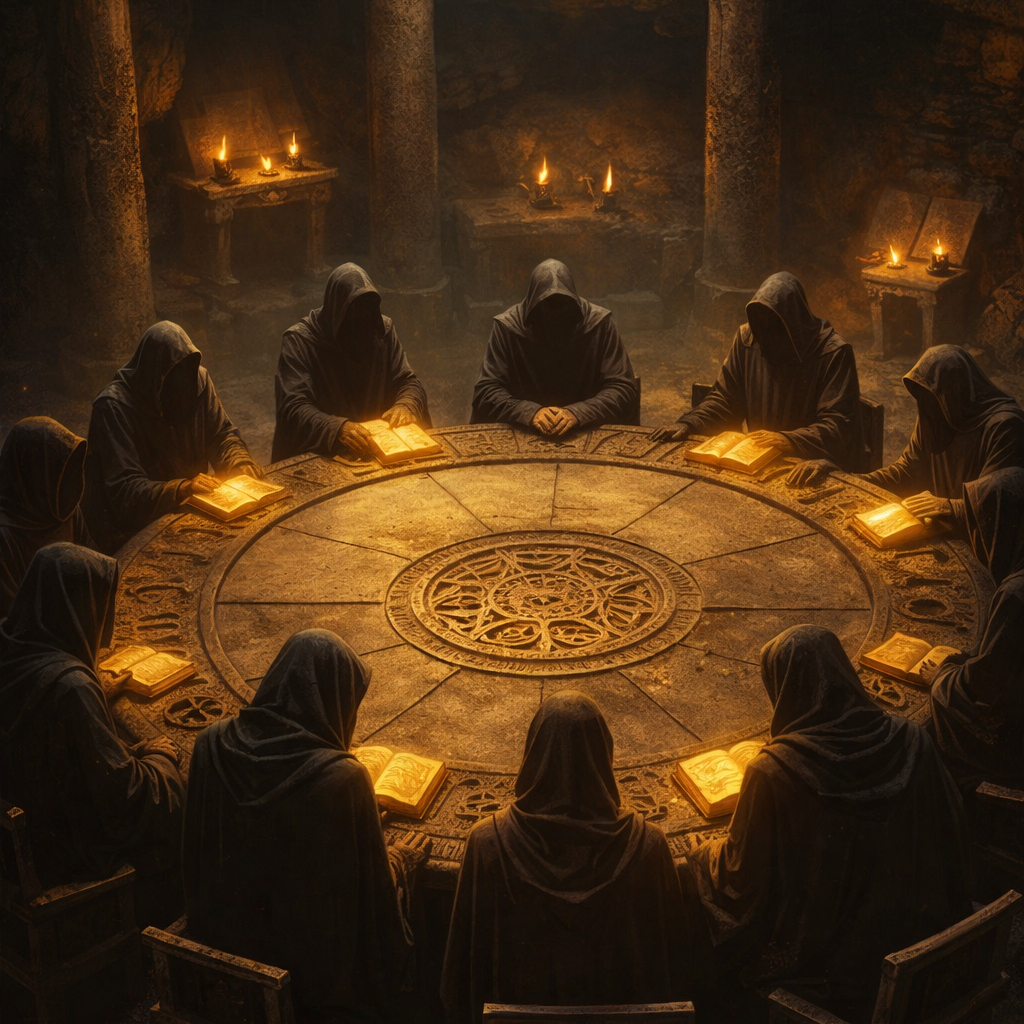

Aurelia Blackwood (Occult Philosophy Critic) — Thomas Keightley's 'Secret Societies of the Middle Ages' remains an indispensable cornerstone for anyone investigating the esoteric undercurrents of history. Keightley's rigorous research provides a foundational understanding of the Assassins, Templars, and Fehmgerichte, illuminating their purported rituals and organizational structures. While the 19th-century lens offers a specific perspective, the work’s strength lies in its detailed narrative and its commitment to uncovering the hidden narratives often obscured by mainstream historical accounts. It’s an essential read for students of Western esotericism and Freemasonry, offering rich material for contemplation on the nature of secret knowledge and power.
📝 Description
72
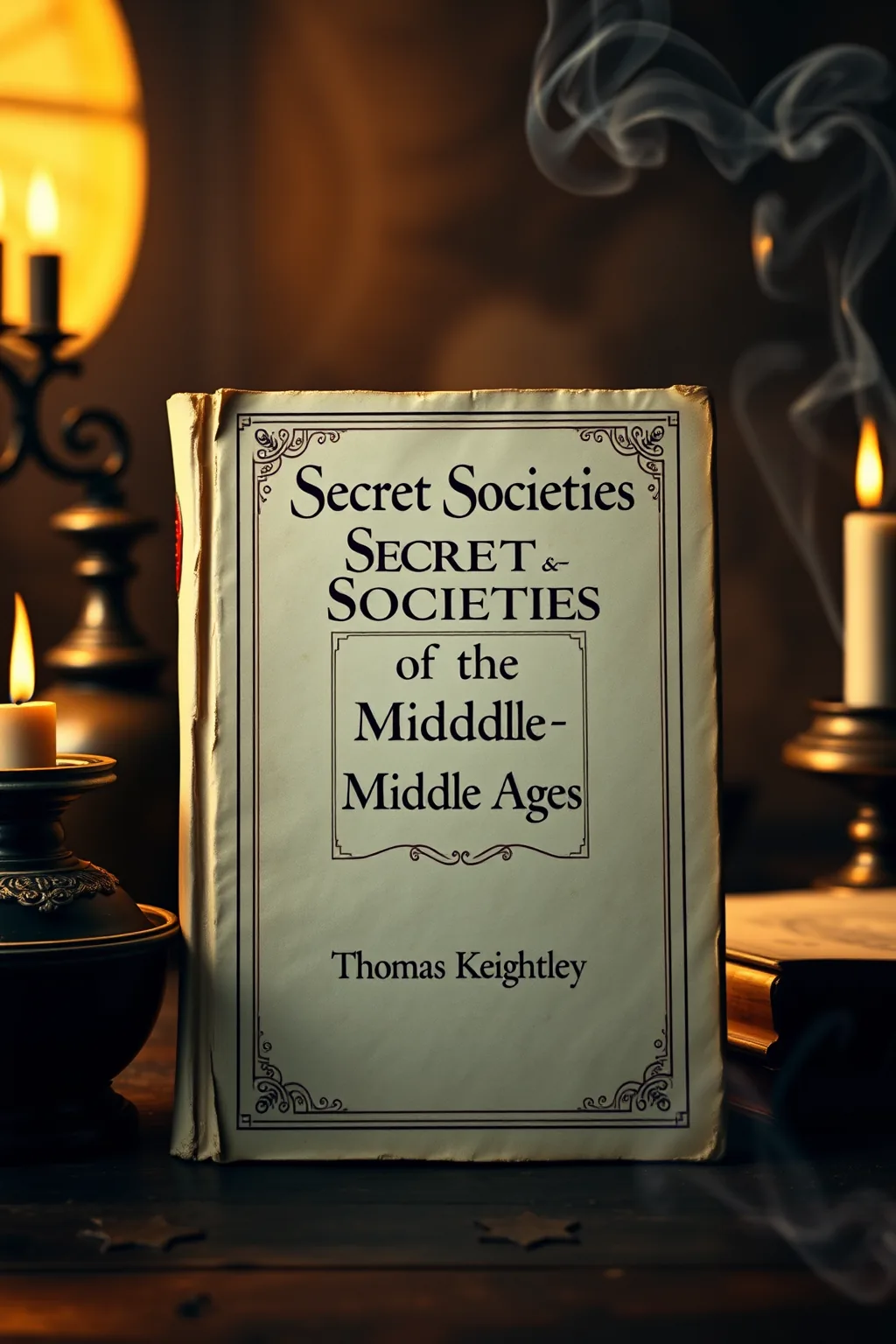
Thomas Keightley wrote 'Secret Societies of the Middle Ages' in 1837, detailing medieval clandestine groups.
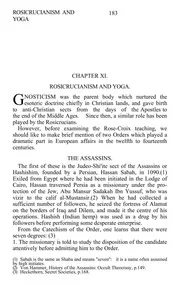
Thomas Keightley's 1837 book examines three prominent medieval secret societies. It details the origins, rituals, and influence of the Assassins, the Knights Templar, and the Fehmgerichte.
The text reconstructs their supposed histories, focusing on how faith, power, and hidden doctrines shaped their impact on Europe. Keightley describes the symbolism and oaths associated with these groups, aiming to shed light on a period of covert influence and esoteric practices.
This work provides an account of groups that fueled popular imagination and historical speculation. It covers their alleged roles and the mystique that surrounded them.
Published in 1837, Keightley's work emerged during a period of renewed interest in historical mysteries and secret traditions. It falls within a broader Victorian fascination with medievalism, chivalry, and hidden knowledge, often bordering on romanticized interpretations of history. While not strictly an occult text itself, it engages with subjects that later became central to esoteric scholarship, such as hidden lineages, symbolic interpretations of religious orders, and the perceived influence of clandestine groups on historical events. The book taps into a current of popular interest in the arcane and the hidden forces believed to shape society.
💡 Why Read This Book?
Unravel the veiled histories of history's most intriguing secret societies. 'Secret Societies of the Middle Ages' offers a deep dive into the origins, rituals, and clandestine operations of the Assassins, Templars, and Fehmgerichte. Ideal for seekers of hidden knowledge, occult scholars, and practitioners interested in the roots of Western esoteric traditions. Discover the enduring mysteries and influence of these powerful medieval fraternities.
⭐ Reader Reviews
Honest opinions from readers who have explored this book.
❓ Frequently Asked Questions
What are the three main secret societies discussed?
The book meticulously examines the histories of the Assassins, the Knights Templar, and the Fehmgerichte, providing detailed accounts of their origins, practices, and societal impact during the Middle Ages.
Is this book suitable for beginners in esoteric studies?
Yes, Keightley's clear prose and historical approach make it accessible. It serves as an excellent introductory text for those new to the study of secret societies and their esoteric dimensions.
What is the historical period covered?
The book focuses primarily on the medieval period, spanning roughly from the 11th to the 15th centuries, the era in which these three influential secret societies rose to prominence and exerted their power.
Does the book discuss the occult or magical practices of these societies?
While the focus is on historical accounts, Keightley touches upon the mystical beliefs, symbolic rituals, and the aura of hidden knowledge that surrounded these groups, hinting at their esoteric dimensions.
Is this text considered a primary or secondary source?
It is a secondary source, written in the 19th century, synthesizing various historical accounts and traditions available at that time. It is invaluable for understanding the historical reception and interpretation of these societies.
🔮 Key Themes & Symbolism
The Brotherhood of the Veil
This theme explores the concept of clandestine organizations operating behind the scenes of medieval society. It examines the mechanisms of secrecy, the oaths that bound members, and the methods employed to maintain their hidden agendas. The text illuminates how these brotherhoods, from the deadly precision of the Assassins to the austere discipline of the Templars, wielded influence through their exclusivity and veiled doctrines, shaping political and religious landscapes from the shadows.
Guardians of Forbidden Lore
Central to the allure of these societies is their association with hidden knowledge and esoteric wisdom. Keightley investigates the traditions and philosophies that may have underpinned their rituals and beliefs, touching upon Gnostic ideas, Sufi mysticism, and early forms of chivalric esotericism. The book suggests that these groups were not merely political or military entities but custodians of spiritual insights and ancient secrets, passed down through generations of initiates.
Justice Beyond the Law
The Fehmgerichte, in particular, represent the theme of extralegal justice and the pursuit of a higher moral or divine order. This section examines the motivations behind their secret tribunals, their methods of apprehension and judgment, and the societal conditions that necessitated such clandestine operations. It raises questions about the nature of justice, the role of secret societies in maintaining societal order, and the potential for both corruption and righteous enforcement within these shadowy hierarchies.
💬 Memorable Quotes
Direct passages from the work, attributed to the author.
“The history of the world is the history of secret societies.”
— This provocative statement suggests that behind overt historical events, hidden organizations have often been the true architects of change and power dynamics, influencing outcomes from the unseen.
“In their hidden halls, oaths were sworn and destinies were forged.”
— This evokes the clandestine nature of these groups, emphasizing the solemn vows and the wide impact their secret meetings and decisions had on the course of history and individual lives.
“They moved in the shadows, their influence felt but rarely seen.”
— This highlights the subtle yet potent power of secret societies, suggesting their ability to manipulate events and exert control through indirect means, operating beyond the direct scrutiny of the public eye.
“The sword and the cross, bound by an unseen thread.”
— This alludes to the complex relationship between military power, religious devotion, and the hidden connections that may have united different factions within medieval secret orders.
“Wisdom whispered, power consolidated, and the world remade.”
— This captures the transformative potential attributed to secret societies, suggesting their role in disseminating esoteric knowledge, consolidating authority, and ultimately altering the fabric of society.
🌙 Esoteric Significance
Tradition
This work directly engages with the Western esoteric tradition, particularly its medieval manifestations. It explores themes relevant to Hermeticism, Gnosticism, chivalric orders, and the nascent roots of Freemasonry. The societies discussed are often seen as conduits for ancient wisdom, mystical practices, and symbolic interpretations of religious and philosophical doctrines, contributing to the lineage of hidden knowledge passed down through secret initiatory paths.
Symbolism
The book touches upon the rich symbolic language employed by these societies. From the veiled symbolism of the Assassins' pursuit of 'the truth' to the Christian iconography intertwined with the Templars' vows, and the stark imagery of the Fehmgerichte's secret justice, Keightley hints at deeper meanings. These symbols were not merely decorative but served as keys to understanding their cosmology, ethical frameworks, and spiritual aspirations, often drawing from alchemical, astrological, and religious allegories.
Modern Relevance
The enduring fascination with secret societies continues to resonate today. Keightley's work provides a historical bedrock for understanding contemporary interests in conspiracy theories, alternative histories, and the spiritual quest for hidden knowledge. It reminds us that the desire to belong to exclusive groups, to access special insights, and to influence the world from the periphery is a recurring theme in human history, relevant to personal development, organizational dynamics, and societal structures.
👥 Who Should Read This Book
This volume is a treasure for the curious mind. **Beginners** in esoteric studies will find Keightley's historical narrative an accessible entry point into the world of medieval secret societies. **Scholars** of history, religious studies, and occultism will appreciate its foundational research and context. **Seekers of hidden knowledge** will be drawn to the exploration of veiled doctrines and mystical traditions. **Practitioners** interested in the historical roots of Western esotericism and the archetypes of clandestine organizations will find ample material for contemplation and inspiration, offering a glimpse into the veiled currents that shaped our world.
📜 Historical Context
Published in 1837, Thomas Keightley's 'Secret Societies of the Middle Ages' emerged during a period of intense historical and antiquarian interest in Europe. The Romantic era fostered a fascination with the medieval past, often idealized and imbued with mystery. This was also a time when early Freemasonry was actively seeking to legitimize its lineage by tracing its roots back to historical knightly orders and ancient guilds. Keightley's work reflects this burgeoning scholarly and popular engagement with clandestine groups, aiming to provide a rational yet evocative account of organizations like the Assassins and Templars, who captured the imagination with their blend of martial prowess, religious fervor, and suspected occult leanings. The book sought to satisfy a growing appetite for understanding the 'hidden' influences that shaped society.
📔 Journal Prompts
What personal 'secret society' or group has influenced your life, and how?
If you were a member of the Assassins, what 'truth' would you seek?
How does the concept of 'justice beyond the law' resonate with modern societal challenges?
What symbolism from the medieval era do you find most compelling for personal spiritual growth?
Reflect on a time you felt part of a hidden community or shared a secret knowledge.
🗂️ Glossary
Assassins
A Nizari Isma'ili sect prominent in the medieval period, known for their political assassinations and esoteric doctrines, often depicted as highly disciplined warriors and mystics.
Knights Templar
A Catholic military order founded around 1119, ostensibly to protect Christian pilgrims to the Holy Land, becoming immensely wealthy and influential before their suppression in the early 14th century.
Fehmgerichte
Secret tribunals or 'holy Vehm' of Westphalia, Germany, operating from the 13th to the 16th centuries, enforcing their own brand of justice outside the established legal system.
Esotericism
Belief systems, practices, and knowledge that are intended only for a select group of initiates or those who have undergone special training, often involving mystical or hidden spiritual truths.
Initiation
A ritual or ceremony that marks a person's entry into a group, society, or order, often involving symbolic acts and the imparting of secret knowledge or teachings.
This book appears in 2 collections
🔮 Readers Also Liked
Browse all →









From the “Secret Societies” Collection
View all →





More Free Freemasonry & Secret Societies Books
View all →