What is the Holy Grail?
The Holy Grail is a legendary object, most famously associated with Arthurian literature, often depicted as a cup or dish used by Jesus at the Last Supper or by Joseph of Arimathea. Its significance extends beyond Christian tradition, appearing in various mythologies and esoteric traditions as a symbol of spiritual attainment, divine grace, or a source of eternal life. The quest for the Grail represents a profound spiritual journey.
Best Books for Complete Beginners
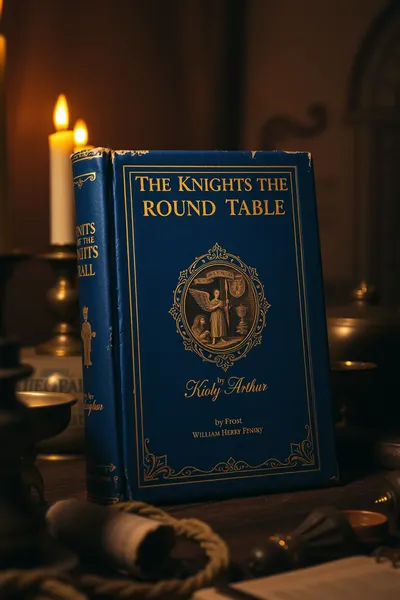
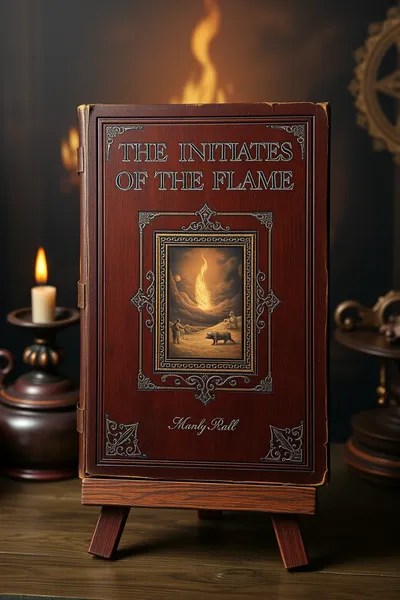
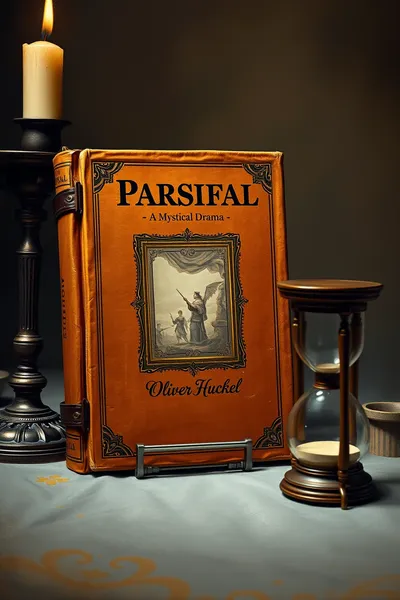
For newcomers, start with accessible narratives that introduce the core legend. William Henry Frost's *The Knights of the Round Table: Stories of King Arthur and the Holy Grail* offers classic retellings of the Arthurian cycle, providing essential context. Richard Wagner's *Parsifal* (retold by Oliver Huckel) presents a significant operatic interpretation. For a foundational understanding of the Grail's symbolism, Manly P. Hall's *The Initiates of the Flame* is a good entry point, explaining its esoteric significance in a clear manner.
Intermediate Reading
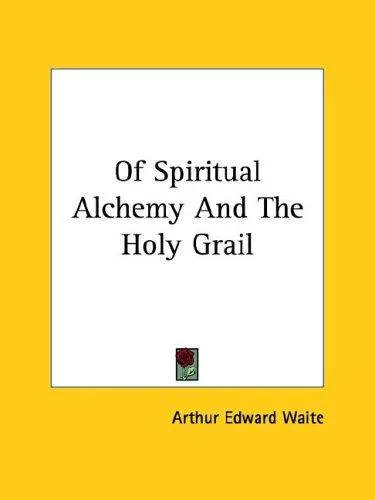
Moving beyond the basics, look at more analytical and symbolic explorations. Jessie L. Weston's *From Ritual to Romance* (1920) is crucial for understanding the Grail's links to pre-Christian fertility rites and Gnostic traditions. Arthur Edward Waite's *Of Spiritual Alchemy And the Holy Grail* offers a deeper dive into the alchemical aspects of the quest. Kai Charles Forest's *The Jungian Vessel* provides a modern psychological perspective, interpreting the Grail through the lens of Jungian archetypes.
Classical / Advanced Texts
Serious students should engage with primary sources and complex analyses. *The High History of the Holy Graal* by Sebastian Evans (1898) presents a significant medieval romance. Arthur Edward Waite's *The Hidden Church of the Holy Graal* (1864) is a foundational work in Grail scholarship, exploring its mystical and occult dimensions. Montalk's *Gnosis: Alchemy, Grail, Ark, and the Demiurge* offers a more contemporary, Gnostic-influenced interpretation of the Grail's symbolic role.
Reading Order — Step by Step
Begin with foundational Arthurian tales like Frost's *The Knights of the Round Table*. In Month 1, explore Wagner's *Parsifal* (Huckel retelling) and Hall's *The Initiates of the Flame*. Month 2 should focus on Weston's *From Ritual to Romance* and Waite's *Of Spiritual Alchemy And the Holy Grail*. By Month 3, tackle Evans' *The High History of the Holy Graal* and Waite's *The Hidden Church of the Holy Graal* for a comprehensive understanding of the legend's evolution and deeper meanings.
Frequently Asked Questions
Which Holy Grail book should I read first?
For beginners, start with William Henry Frost's *The Knights of the Round Table* for classic storytelling, followed by Manly P. Hall's *The Initiates of the Flame* for an introduction to its symbolic meaning.
What is the difference between the Grail legend and Arthurian legend?
The Grail legend is a specific cycle of stories within the broader Arthurian legend, focusing on the quest for a mystical object, often a cup or dish.
Is the Holy Grail a religious artifact?
While originating in Christian traditions (Last Supper, Crucifixion), the Grail has evolved to encompass broader spiritual, mythological, and esoteric interpretations beyond strict religious dogma.
What does the Grail symbolize?
The Grail symbolizes spiritual enlightenment, divine grace, eternal life, wholeness, and the ultimate object of a profound spiritual quest, varying across different traditions and interpretations.
How does alchemy relate to the Holy Grail?
In esoteric traditions, the Grail quest is often seen as an allegory for the alchemical process of spiritual transformation and purification, aiming for inner gold or enlightenment.
Are there modern interpretations of the Holy Grail?
Yes, contemporary authors like Kai Charles Forest (*The Jungian Vessel*) and Montalk (*Gnosis*) explore the Grail through psychological, Gnostic, and modern esoteric frameworks.
Where can I find primary medieval texts about the Grail?
Texts like *The High History of the Holy Graal* (translated by Sebastian Evans) and the *Quest of the Holy Grail* offer direct access to medieval narratives, though they can be challenging for new readers.


![EBOOK COLLECTION ( PART 8) [ CSI][h 33t]](/img/thumb/ebook-collection-part-8-csi-h-33t.webp)