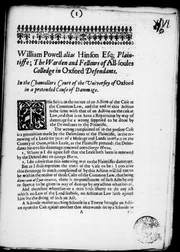
Tractatvs de confessionibvs maleficorvm et sagarvm, secundò recognitus, & auctior redditus. ... 1596: Iss 115

 78
78

Tractatvs de confessionibvs maleficorvm et sagarvm, secundò recognitus, & auctior redditus. ... 1596: Iss 115


Celeste Moreau (Divination & Symbolism Reviewer) — Pierre Binsfeld's "Tractatus de Confessionibus Maleficorum et Sagarum" is an indispensable cornerstone for any serious student of Western esotericism and historical witchcraft. This 1596 edition, enhanced and refined, provides unparalleled access to the confessions that defined an era of fear and persecution. Binsfeld’s juridical approach, while rooted in his time, offers a fascinating lens through which to examine the perceived realities of malefice and sorcery. The text is a rich tapestry of alleged pacts, demonic encounters, and ritualistic practices, demanding careful interpretation. It illuminates the symbolic vocabulary of accusations and the psychological landscape of both the accused and the accusers, making it vital for understanding the historical construction of the witch. This work is not for the faint of heart, but for the dedicated scholar or practitioner seeking to grasp the historical roots of occult beliefs.
📝 Description
78
Pierre Binsfeld's 1596 'Tractatus de Confessionibus Maleficorum et Sagarum' details confessions of alleged witches.
This 1596 edition of Pierre Binsfeld's work examines the confessions of individuals accused of witchcraft and malefice. Binsfeld, a jurist, analyzes the supposed pacts with demonic entities, the secret rituals, and the societal fears that led to accusations. The book documents the symbolic language used in these accusations, the perceived workings of curses, and the theological justifications for condemning those thought to practice forbidden arts.
It presents a view into the historical understanding of the 'witch' figure, the interaction of religious belief and fear, and the persistent human interest in the occult. The text provides insight into how medieval and early modern minds perceived and reacted to forces they did not understand.
Binsfeld's text sits within the tradition of early modern demonological treatises, which sought to categorize, understand, and combat perceived supernatural threats. These works often drew upon theological arguments, legal precedents, and alleged testimonies to build a framework for identifying and prosecuting those believed to be in league with demonic powers. Such books were part of a broader intellectual current that grappled with the nature of evil, the limits of human knowledge, and the perceived influence of the supernatural on the earthly realm.
💡 Why Read This Book?
Delve into the historical confessions of alleged witches and sorcerers from the late Renaissance. This seminal work by Pierre Binsfeld offers a unique perspective on demonology, societal fears, and the symbolic language of accusations. Essential for scholars, practitioners, and anyone fascinated by the historical construction of occult beliefs and the psychology of persecution. Read free online to explore this foundational text.
⭐ Reader Reviews
Honest opinions from readers who have explored this book.
❓ Frequently Asked Questions
What is the primary focus of Binsfeld's 'Tractatus de Confessionibus Maleficorum et Sagarum'?
The book primarily focuses on the alleged confessions of individuals accused of witchcraft and malefice, detailing their supposed pacts with demons and occult practices as understood in the late 16th century.
Who was Pierre Binsfeld and what was his role in writing this treatise?
Pierre Binsfeld was a prominent jurist and theologian. His role was to compile, analyze, and interpret the confessions of accused witches, providing a legal and theological framework for understanding and prosecuting such cases.
What makes this 1596 edition particularly significant?
This edition is significant because it is 'secundò recognitus, & auctior redditus,' meaning it was revised and augmented, offering a more comprehensive and potentially refined version of Binsfeld's original work.
Is this book suitable for beginners interested in witchcraft history?
While it offers historical insight, the text is dense and rooted in the legal and theological context of its time. Beginners might benefit from supplemental reading to fully grasp its complexities.
What kind of 'hidden knowledge' can be found within this text?
The 'hidden knowledge' lies in understanding the symbolic language of accusations, the perceived mechanisms of sorcery, and the societal anxieties that shaped beliefs about the occult during the period.
🔮 Key Themes & Symbolism
The Anatomy of Accusation
This theme explores the intricate ways in which accusations of witchcraft were constructed and substantiated during the late Renaissance. Binsfeld's work dissects the typical narratives, the expected behaviors, and the symbolic language employed by both the accused and their accusers. It examines how societal anxieties, religious doctrines, and legal frameworks converged to create a framework for identifying and condemning those perceived as practitioners of dark arts. Understanding this process reveals the psychological and social dynamics at play, shedding light on the mechanisms of mass hysteria and the construction of 'otherness' in the historical imagination.
Infernal Pacts and Demonic Influence
Central to Binsfeld's treatise is the concept of the diabolical pact—the alleged agreement between sorcerers and demons. This theme examines the detailed accounts of these pacts as confessed by the accused, exploring the perceived rituals involved in their formation and the subsequent influence of infernal forces on human affairs. It examines the theological underpinnings that supported such beliefs, illustrating how the demonized were seen as agents of chaos and spiritual corruption, threatening the divine order. The text offers insights into the symbolic representation of demonic entities and their perceived powers within the esoteric worldview of the era.
The Rituals and Practices of Malefice
This theme scrutinizes the alleged rituals and practices associated with malefice and witchcraft as described in the confessions. Binsfeld meticulously records accounts of nocturnal gatherings, the conjuration of spirits, the casting of spells, and the use of various implements and substances believed to facilitate dark magic. The text serves as a catalog of perceived forbidden arts, offering a window into the folk beliefs, alchemical traditions, and astrological understandings that were often co-opted and demonized by the prevailing religious and legal authorities. It reveals the symbolic significance attributed to specific actions and objects within the context of occult practice.
💬 Memorable Quotes
Direct passages from the work, attributed to the author.
“Confession, a double-edged sword of salvation and damnation.”
— Highlights the precarious position of the accused, where confession might offer spiritual solace but also lead to severe earthly punishment.
“Shadows dance where reason fears to tread.”
— Suggests that the unknown and the irrational often become the domain of belief in the supernatural, particularly when logic fails to provide answers.
“The mark of the witch, a sigil of societal dread.”
— Refers to the perceived physical signs of demonic affiliation and how they became markers of societal fear and ostracization.
“Malefice, a perversion of divine order.”
— Explains the theological perspective of the time, viewing witchcraft not as an independent power but as a corrupting force that disrupts God's intended harmony.
💡 Key Ideas
Editorial paraphrase of the work's core concepts — not direct quotes.
The devil's whispers sow seeds of fear in fertile minds.
This quote expresses the idea that fear and superstition are easily exploited by malevolent forces, leading individuals to believe in or confess to acts they may not have committed.
🌙 Esoteric Significance
Tradition
This text is deeply embedded within the tradition of Western Christian demonology and early modern legalistic witch-hunting manuals. While not a practitioner's grimoire, it offers useful insights into the perceived mechanics of the occult from a theological and juridical standpoint. Its esoteric significance lies in its detailed cataloging of alleged demonic pacts, rituals, and the symbolic language used to describe supernatural influence. It represents a formal attempt to categorize and understand the 'dark arts' through the lens of prevailing religious doctrine, revealing the esoteric beliefs held by those in positions of power.
Symbolism
The symbolism within Binsfeld's work is primarily derived from the Christian understanding of good versus evil, with the demonic representing the ultimate inversion of divine order. Alleged pacts symbolize a betrayal of faith, while rituals often involve corrupted religious imagery or natural elements imbued with malevolent intent. The 'marks of the witch' are symbolic of a physical connection to the infernal realm. The confessions themselves become symbolic narratives of downfall, where human agency is perceived to be usurped by supernatural forces, reflecting a deeply ingrained dualistic worldview.
Modern Relevance
In modern times, Binsfeld's treatise serves as a critical historical document for understanding the roots of superstition, paranoia, and the persecution of marginalized groups. Its relevance extends to fields like psychology, sociology, and cultural studies, offering insights into mass hysteria, belief systems, and the construction of societal narratives around fear. For those interested in the history of occultism, it provides a foundational text for understanding how 'witchcraft' was officially conceptualized and legislated against, influencing subsequent esoteric traditions and modern interpretations of magic and demonology.
👥 Who Should Read This Book
This treatise is essential for scholars of religious history, demonology, and early modern legal practices. Practitioners of modern witchcraft or occult studies will find it useful for understanding the historical context and evolution of their craft, as well as the societal forces that shaped its perception. Seekers of esoteric knowledge will gain a deeper appreciation for the complex interplay between belief, fear, and the supernatural. While dense, it offers foundational insights for anyone wishing to move beyond modern romanticized notions of witchcraft and engage with its historical realities and the deeply ingrained anxieties that defined its persecution.
📜 Historical Context
Published in 1596, Pierre Binsfeld's "Tractatus de Confessionibus Maleficorum et Sagarum" emerged during the zenith of the European witch trials, a period marked by intense religious fervor, societal upheaval, and widespread fear of the supernatural. The late 16th century saw a surge in demonological literature, fueled by anxieties surrounding heresy, political instability, and perceived threats to the established order. Jurists and theologians like Binsfeld played an important role in codifying beliefs about witchcraft, providing frameworks for identification, prosecution, and punishment. This era witnessed a conflation of folk magic, religious dissent, and actual criminal behavior, all often subsumed under the umbrella of 'witchcraft.' Binsfeld's work, therefore, is not merely an academic exercise but a reflection of the prevailing legal, religious, and psychological landscape that condemned thousands to persecution, offering a stark proof of the power of belief and the human tendency to seek tangible explanations for misfortune.
📔 Journal Prompts
Reflect on the societal anxieties that might have fueled the confessions described in the text. How do similar anxieties manifest in contemporary society?
Analyze the symbolic language used in the confessions. How does symbolism shape our understanding of complex or frightening phenomena?
Consider the role of authority figures (jurists, theologians) in shaping the narrative of witchcraft. How might their perspectives have influenced the 'truth' presented?
If you were to encounter a belief system that demonizes certain practices, how would you approach understanding it without judgment?
Imagine you are a historian tasked with debunking a modern conspiracy theory. What parallels can you draw from Binsfeld's methods of investigation and interpretation?
🗂️ Glossary
Maleficorum
Latin for 'of the evil-doers' or 'of the sorcerers.' In this context, it refers to individuals accused of practicing harmful magic or witchcraft.
Sagarum
Latin for 'of the sorceresses' or 'of the witches.' Specifically denotes female practitioners of witchcraft, reflecting the gendered nature of many historical accusations.
Diabolical Pact
An alleged agreement made between an individual and a demon, often involving the surrender of one's soul in exchange for supernatural powers or knowledge.
Malefice
The act or practice of witchcraft intended to cause harm, injury, or misfortune to others through supernatural means.
Demonology
The study of demons and devils, often within a theological or religious framework, focusing on their nature, hierarchy, powers, and influence on the human world.
This book appears in 2 collections
🔮 Readers Also Liked
Browse all →







More by BINSFELD, Pierre.
All books →



From the “Witchcraft” Collection
View all →








More Free Witchcraft & Paganism Books
View all →