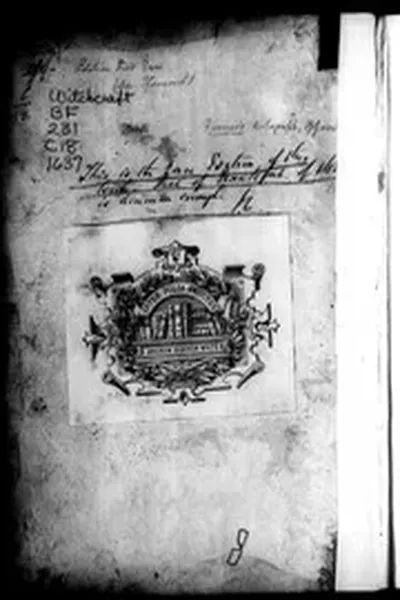
Disputatio physica De magia et magicis prima, quam praeside Dn. M. Philippo Buchio ... respondens Georgius Buchius ... publicè tuebitur. ... 1666: Iss 178

 84
84

Disputatio physica De magia et magicis prima, quam praeside Dn. M. Philippo Buchio ... respondens Georgius Buchius ... publicè tuebitur. ... 1666: Iss 178



A rigorously intellectual exploration, Georgius Buchius's 'Disputatio physica De magia et magicis prima' offers a remarkable window into 17th-century scholastic engagement with the occult. Under Philippo Buchio's expert guidance, this work meticulously dissects the concept of magic, not as mere folklore, but as a subject of philosophical and naturalistic inquiry. Its strength lies in its analytical approach, attempting to categorize and understand magical phenomena within a structured, albeit nascent, scientific framework. While dense, its value to scholars of esoteric history, demonology, and the philosophy of science is undeniable. This is essential reading for those seeking to comprehend the intellectual currents that shaped early modern perceptions of the supernatural.
📝 Description
84
Published in 1666, this disputation by Georgius Buchius, under the presidency of Philipp Buchius, examines the nature of magic.
This 1666 academic disputation, 'Disputatio physica De magia et magicis prima,' was presented by Georgius Buchius under the direction of Philipp Buchius. It addresses the concepts of magic and sorcery from a natural philosophical perspective common in the 17th century. The work dissects phenomena attributed to magic, attempting to align them with the rational understanding of the time rather than treating them as purely supernatural. It is not a practical guide to magical arts but an analytical study of beliefs surrounding them. The text aims to understand the causes and justifications for these beliefs, reflecting a sustained human interest in hidden powers and the limits of perception.
The disputation invites contemplation on the nature of reality, the influence of belief, and the historical development of knowledge concerning the supernatural. It challenges standard viewpoints by urging a reconsideration of phenomena often dismissed as mere superstition. The work is intended for serious students and those with a deep curiosity about historical philosophical inquiries into unexplained phenomena.
This text emerged during a period where learned individuals engaged with occult topics through the framework of natural philosophy and scholasticism. Unlike later, more purely occult texts, this disputation sought to rationalize or categorize magical phenomena within the existing intellectual structures of the late 17th century. It reflects a scholarly attempt to understand beliefs about the supernatural, sometimes distinguishing between natural magic and diabolical or superstitious practices, all within a university setting. This approach contrasts with direct magical practice or purely theological condemnation, positioning it within a tradition of academic inquiry into the hidden aspects of the world.
💡 Why Read This Book?
Uncover the intellectual foundations of early modern occult studies. This rare scholastic disputation offers a rigorous philosophical analysis of magic, bridging natural philosophy and esoteric inquiry. Ideal for scholars, history enthusiasts, and seekers of hidden knowledge who wish to understand how magic was debated and categorized in the 17th century, offering a unique perspective on the evolution of thought.
⭐ Reader Reviews
Honest opinions from readers who have explored this book.
❓ Frequently Asked Questions
What is the primary focus of this disputation?
The primary focus is a rigorous academic examination of the nature and principles of magic and magical phenomena, as understood through the lens of 17th-century natural philosophy and theology.
Is this book a practical guide to performing magic?
No, this is a scholarly treatise. It analyzes and debates the concept of magic rather than providing instructions for its practice.
Who was Georgius Buchius?
Georgius Buchius was the respondent in this academic disputation, presenting his arguments and defending his thesis under the presidency of Philippo Buchio.
What is the historical significance of this text?
It provides invaluable insight into the intellectual climate of the 17th century, demonstrating how complex topics like magic were approached through academic discourse and philosophical reasoning.
What language is the original text in?
The original text is in Latin, as was common for academic disputations of this era, though this edition is presented in English.
🔮 Key Themes & Symbolism
The Philosophical Nature of Magic
This treatise studies the very definition and ontology of magic, questioning whether it is a natural force, a divine gift, or a demonic artifice. It explores the boundaries between natural philosophy and the supernatural, seeking to categorize and understand the mechanisms by which magical effects are purportedly achieved. The text scrutinizes the underlying principles that govern such phenomena, moving beyond simple categorization to a deeper philosophical inquiry into the essence of occult power and its place within the perceived order of the universe.
Reconciling Faith and the Arcane
A central theme is the attempt to reconcile the existence and practice of magic with prevailing theological doctrines of the 17th century. The disputation grapples with the implications of magic for religious belief, particularly concerning its potential to challenge divine authority or lead individuals astray. It examines various perspectives on whether certain forms of magic could be considered permissible or divinely sanctioned, versus those deemed heretical or inherently corrupt, reflecting the era's pervasive concern with spiritual purity and the influence of unseen forces.
The Intellectual Framework of 17th-Century Esotericism
This work serves as a crucial artifact for understanding the intellectual milieu in which esoteric beliefs were debated and analyzed. It showcases the rigorous, scholastic methodology applied to subjects often relegated to folklore or superstition. By dissecting arguments and counter-arguments, the disputation reveals the sophisticated reasoning employed by academics of the period to grapple with complex questions surrounding hidden knowledge, natural laws, and the potential for human interaction with the supernatural realm, offering a glimpse into the nascent stages of critical inquiry into the occult.
💬 Memorable Quotes
Direct passages from the work, attributed to the author.
“The natural world holds secrets, and some are perceived through extraordinary means.”
— Suggests that the text acknowledges the existence of phenomena beyond ordinary perception and seeks to explore how these might be understood within a philosophical framework.
“The divine order is vast, encompassing both the manifest and the veiled.”
— Highlights the theological underpinnings, suggesting that the existence of magic does not necessarily contradict a divinely ordered universe, but may represent a hidden aspect of it.
“Reason must precede judgment in matters of the unseen.”
— Emphasizes the importance of intellectual inquiry and logical deduction when approaching subjects that defy conventional understanding, such as the practice of magic.
“Is it artifice, or is it essence?”
— Poses a fundamental question about the origin of magical effects: are they the result of clever deception or manifestations of deeper, inherent forces?
💡 Key Ideas
Editorial paraphrase of the work's core concepts — not direct quotes.
Magic, not to be simply condemned, but to be understood.
This quote expresses the treatise's aim: to move beyond outright condemnation of magic towards a reasoned, philosophical analysis of its nature and principles.
🌙 Esoteric Significance
Tradition
This work belongs to the tradition of scholastic demonology and natural philosophy, specifically engaging with the philosophical and theological debates surrounding the occult sciences prevalent in post-Reformation Europe. It aligns with the broader intellectual currents that sought to understand hidden forces through reasoned discourse, rather than solely relying on empirical evidence or pure faith. Its approach is characteristic of academic attempts to systematize and rationalize esoteric concepts within the existing framework of knowledge.
Symbolism
While not overtly symbolic in its presentation, the very concept of 'magic' within this 17th-century context carries profound symbolic weight. It represents the unknown, the forbidden, the potential for power beyond human control, and the liminal space between the natural and supernatural. The 'disputatio' format itself symbolizes the clash of ideas and the rigorous pursuit of truth through dialectic, a key symbolic act in the intellectual life of the era.
Modern Relevance
In contemporary times, this text offers a critical historical lens through which to examine the evolution of our understanding of consciousness, belief systems, and the very definition of 'reality.' It highlights how deeply ingrained ancient notions of occult forces and hidden knowledge continue to resonate, even in a technologically advanced world. For practitioners and scholars of modern esotericism, it provides foundational context, revealing the historical roots of many contemporary magical theories and the intellectual challenges they have historically faced.
👥 Who Should Read This Book
This treatise is primarily for the dedicated scholar of occult history, demonology, and 17th-century intellectual thought. It will also deeply engage historians of science and religion seeking to understand the academic discourse surrounding the supernatural during a key era. While not a beginner's guide to magic, it is important for advanced seekers and practitioners who wish to trace the philosophical underpinnings and historical context of esoteric traditions, providing a robust foundation for deeper study and critical analysis of the occult.
📜 Historical Context
Published in 1666, 'Disputatio physica De magia et magicis prima' emerges from a period of profound intellectual transition in Europe. The scientific revolution was gaining momentum, challenging established Aristotelian physics and ushering in new paradigms of observation and experimentation. Simultaneously, anxieties surrounding witchcraft and sorcery remained potent, fueled by ongoing trials and theological debates. This text, therefore, represents a fascinating intersection of these forces. It showcases the academic world's attempt to grapple with the persistent allure and fear of magic through the rigorous, albeit evolving, tools of scholastic philosophy and nascent natural science. It reflects a society simultaneously seeking rational explanations and grappling with the perceived reality of supernatural influence, a complex intellectual landscape where the boundaries between science, religion, and the occult were actively being negotiated.
📔 Journal Prompts
How did 17th-century scholars attempt to categorize and understand 'magic' as a phenomenon distinct from natural science or religious practice?
What theological concerns were paramount when discussing magic during this period, and how did they influence academic arguments?
Consider the 'Disputatio' format itself. What does this method of academic debate reveal about the pursuit of knowledge in the 17th century, especially concerning controversial topics?
If magic is defined as 'artifice' versus 'essence,' what are the implications for our understanding of agency and causality in the universe?
How does the intellectual approach to magic in this text differ from modern scientific or psychological explanations for phenomena once attributed to the occult?
🗂️ Glossary
Disputatio
An academic exercise, common in universities from the Middle Ages through the 17th century, where a student (respondent) defended a thesis against a presiding professor (praeses) and other scholars, engaging in formal debate and logical argumentation.
Physica
In the context of 17th-century academia, this term refers to natural philosophy, the study of the natural world through observation, logic, and philosophical reasoning, forming the precursor to modern science.
Magicis
Relating to magic, sorcery, or the occult arts. In this context, it refers to the phenomena, practices, and beliefs associated with magical influence and power.
Praeside
Presiding over; in an academic disputation, the professor or master who led the discussion, posed questions, and guided the respondent's defense of the thesis.
Respondens
The student or scholar who presented and defended a specific thesis or argument in an academic disputation, answering questions and refuting counter-arguments.
This book appears in 2 collections
🔮 Readers Also Liked
Browse all →







From the “Witchcraft” Collection
View all →






More Free Witchcraft & Paganism Books
View all →



![Faith in America [3 volumes]](/img/thumb/faith-in-america-3-volumes-charles-h-lippy-986056.webp)