Die bezauberte Welt: oder Eine gründliche Untersuchung des allgemeinen Aberglaubens, ... 1693: Iss 78

 73
73

Die bezauberte Welt: oder Eine gründliche Untersuchung des allgemeinen Aberglaubens, ... 1693: Iss 78

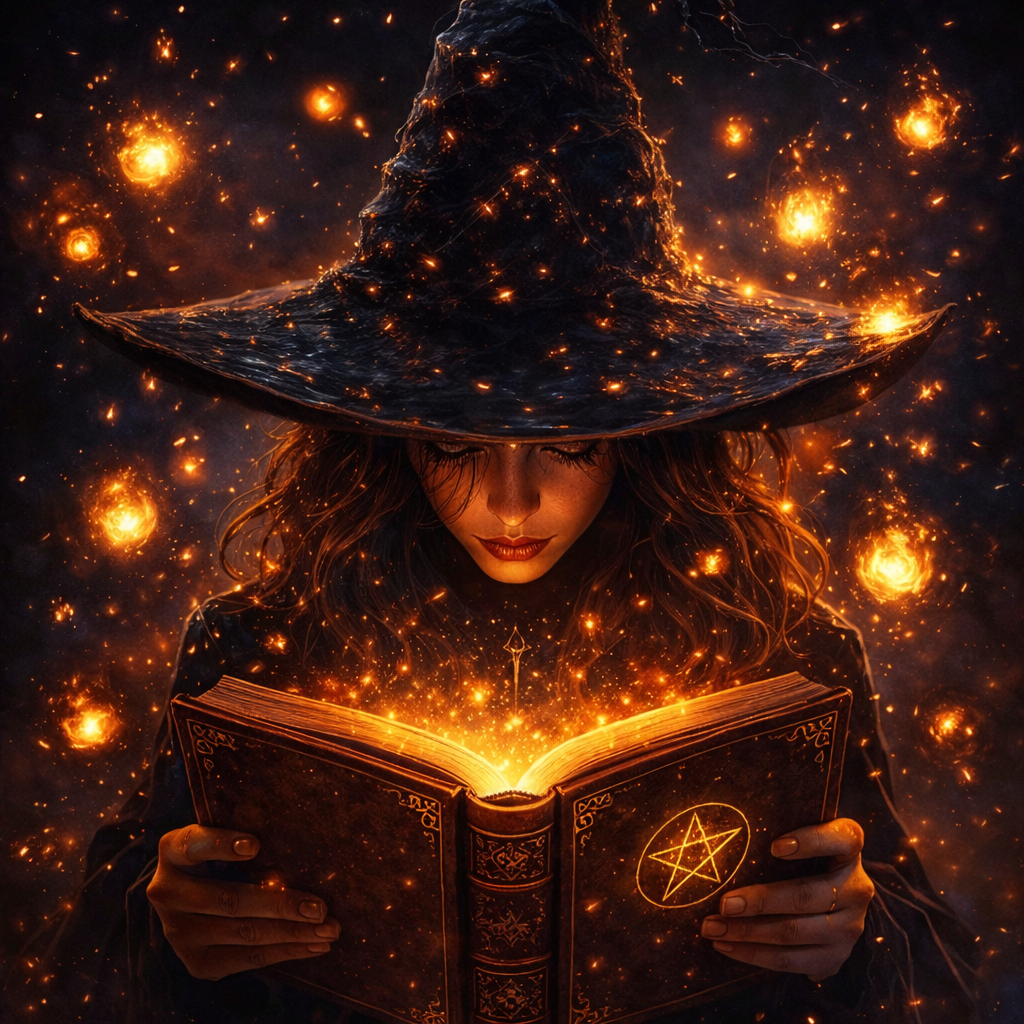

Balthasar Bekker's 'Die bezauberte Welt' is a foundational text for anyone seeking to understand the historical critique of superstition and its hold on society. Appearing in 1693, this work offers a remarkably prescient examination of how fear, ignorance, and ingrained beliefs construct our perceived reality. Bekker masterfully deconstructs the mechanisms of 'enchantment'—not through arcane rituals, but through the psychological and social forces that perpetuate it. His rigorous, rational approach challenges the prevailing supernatural worldview, making it an essential read for scholars of religious history, philosophy, and the sociology of belief. For practitioners of esoteric arts, it provides crucial context on the societal forces that often demonized or misunderstood their practices, highlighting the power of critical thought in demystifying the world.
📝 Description
73
Balthasar Bekker published 'Die bezauberte Welt' in 1693, questioning the reality of witchcraft and demonic influence.
Balthasar Bekker's 1693 work, 'Die bezauberte Welt' ('The Enchanted World'), critically examines the prevalence of superstition and the mechanisms of belief. Bekker systematically analyzes common misconceptions and deep-seated anxieties that inform our perception of the world. He challenges the literal acceptance of supernatural causation, particularly concerning demonic intervention and magical effects. The book encourages a rational approach to understanding inherited doctrines and the impact of shared illusions.
This is not a text that promotes occult practices. Instead, it deconstructs the foundations of superstition, exposing the human elements that sustain its existence. For those interested in understanding the historical origins of fear driven beliefs and the intellectual shifts of an era grappling with the unknown, 'The Enchanted World' provides insight into the emerging rationalist thought. Bekker's writing, while historical, persistently advocates for critical examination and intellectual freedom.
Published in the late 17th century, 'Die bezauberte Welt' emerges during a period of intense intellectual change, often termed the early Enlightenment. While not strictly an esoteric text in the sense of occult practices, it engages with popular beliefs about the supernatural that permeated society. Bekker's rationalist approach sought to demystify phenomena attributed to demonic forces or magic, situating his work within a broader intellectual current that questioned traditional religious and folkloric explanations. It reflects a growing skepticism toward superstition and a desire to understand the world through reason and natural philosophy rather than supernatural intervention.
💡 Why Read This Book?
Uncover the historical roots of superstition and the psychology of belief. 'Die bezauberte Welt' offers a rigorous, rational dissection of what humanity once deemed supernatural. Ideal for seekers of intellectual clarity, scholars of religious history, and anyone fascinated by how fear and dogma shape perception, this text provides essential context for understanding the enduring human fascination with the 'enchanted' and the power of critical inquiry.
⭐ Reader Reviews
Honest opinions from readers who have explored this book.
❓ Frequently Asked Questions
What is the main argument of 'Die bezauberte Welt'?
Bekker's central thesis is a comprehensive debunking of common superstitions and the literal belief in widespread demonic influence, advocating for a rational understanding of perceived supernatural events and human behavior.
Who was Balthasar Bekker?
Balthasar Bekker (1634-1698) was a Dutch theologian and philosopher known for his critical stance on religious dogma and his rationalist approach to understanding the world, particularly challenging prevailing beliefs about witchcraft and the devil.
What historical period does this book represent?
The book represents the late 17th century, an era of significant intellectual ferment, the Enlightenment's nascent stages, and ongoing debates about reason, faith, and the supernatural.
Is this book about practicing magic or occultism?
No, this book is a critical examination and deconstruction of superstition and beliefs in magic and the supernatural, rather than a guide to practicing them.
What is the significance of 'Issue 78' in the title?
'Issue 78' likely refers to a specific volume or part within a larger collected or serial publication, indicating its place in a series of works or a periodical.
What language is the original text?
The original text, 'Die bezauberte Welt,' is in German, though this listing specifies English for its content and accessibility.
🔮 Key Themes & Symbolism
Deconstruction of Demonic Influence
Bekker meticulously dismantles the pervasive belief in active demonic intervention in human affairs. He scrutinizes biblical narratives and contemporary accounts of witchcraft, arguing that many phenomena attributed to Satanic forces can be explained through natural causes, psychological factors, or human deception. This theme challenges the literal interpretation of supernatural malevolence, proposing that the 'enchantment' lies more in human perception and fear than in an active, external evil.
The Psychology of Superstition
A significant focus is placed on understanding why individuals and societies succumb to superstitious beliefs. Bekker explores the role of ignorance, tradition, fear of the unknown, and the human tendency to find patterns and causality where none exist. He posits that 'superstition' is a form of psychological enchantment, a self-imposed veil that obscures rational thought and leads to irrational behaviors and judgments, especially concerning perceived threats and misfortunes.
Rationalism vs. Dogma
This work stands as a powerful evidence of the burgeoning rationalist movement of the Enlightenment. Bekker champions reason, empirical observation, and critical inquiry as tools to liberate the mind from the shackles of unquestioned dogma and inherited folklore. He advocates for a 'disenchanted' world where understanding is sought through intellectual rigor rather than blind faith or the acceptance of spectral explanations, highlighting the conflict between established religious authority and the pursuit of independent thought.
💬 Memorable Quotes
Direct passages from the work, attributed to the author.
“The world is enchanted not by spirits, but by ignorance.”
— Here, Bekker suggests that the 'enchantment' of the world, its perceived strangeness and danger, stems from a lack of understanding and rational explanation, not from actual magical forces.
“Reason is the light that dispels the shadows of doubt.”
— This highlights Bekker's faith in human intellect and critical thinking as the primary means to overcome unfounded beliefs and achieve a clearer perception of reality.
“We build our own demons from the bricks of tradition.”
— This poignant metaphor suggests that the fearsome figures and concepts we believe in are often constructed from societal norms and inherited narratives, rather than from objective truth.
“To believe without questioning is to walk blindfolded.”
— Bekker urges readers towards an active, inquisitive approach to knowledge, warning against passive acceptance of beliefs that can lead one astray from truth and understanding.
💡 Key Ideas
Editorial paraphrase of the work's core concepts — not direct quotes.
Fear makes the devil appear larger than he is.
This quote expresses Bekker's view that much of what is perceived as supernatural evil is amplified by human fear and imagination, rather than actual inherent power.
🌙 Esoteric Significance
Tradition
While Bekker critiques superstition, his work indirectly touches upon the esoteric by dissecting the human tendency to seek hidden meanings and supernatural explanations for life's complexities. It provides a crucial historical counterpoint to occult traditions, offering a rational framework that proponents of the occult often sought to transcend or reinterpret. Understanding his critique is essential for grasping the societal context in which esoteric practices were judged and often feared.
Symbolism
The primary symbolism lies in the 'enchantment' itself, representing not literal magic, but the pervasive influence of unexamined beliefs, fear, and societal conditioning. The 'devil' and 'spirits' are deconstructed symbols of human anxiety and ignorance. Bekker's endeavor is to reveal the symbolic language of superstition, stripping it of its perceived power by exposing its human origins and psychological mechanisms, thus offering a new symbolism of reason and clarity.
Modern Relevance
In an age still susceptible to misinformation, conspiracy theories, and fear-driven narratives, Bekker's treatise remains remarkably relevant. His dissection of how societies construct and maintain beliefs, especially those rooted in fear and ignorance, offers invaluable insight into contemporary phenomena. 'Die bezauberte Welt' serves as a timeless reminder of the importance of critical thinking, intellectual courage, and the ongoing need to question what we accept as 'real,' particularly when faced with complex or unsettling events.
👥 Who Should Read This Book
This profound work is essential for scholars of religious history, philosophy, and the sociology of belief, offering a critical perspective on the demonology and superstition of the early modern period. Seekers of intellectual liberation and those fascinated by the psychology of fear and belief will find it deeply clear. Practitioners of esoteric arts may read it to understand the historical context and societal forces that often demonized or misunderstood their practices, recognizing the power of critical thought in clarifying the world. Beginners to historical critique will find a clear, albeit challenging, introduction to rationalist thought.
📜 Historical Context
Published in 1693, 'Die bezauberte Welt' emerged during an important era in European intellectual history. The late 17th century was a crucible of change, marked by the Scientific Revolution's profound discoveries and the nascent stirrings of the Enlightenment. This period saw a growing tension between traditional religious dogma and the rise of empirical observation and rationalist philosophy. Bekker's work directly engaged with the widespread belief in witchcraft and demonic possession, phenomena that had led to centuries of persecution. His critical examination challenged the prevailing theological and societal views, contributing to a broader shift towards secularization and a more scientific worldview. The book reflects a world grappling with the supernatural, seeking to reconcile faith with emerging reason, and questioning inherited fears that had long dictated social norms and legal practices, particularly concerning accusations of witchcraft.
📔 Journal Prompts
How do modern-day superstitions mirror those Bekker critiques?
In what ways does 'fear' still 'enchant' our perception of the world?
What is the relationship between 'ignorance' and the persistence of unfounded beliefs today?
How can Bekker's emphasis on 'reason' be applied to navigating complex information in the digital age?
Reflect on a time when your own beliefs were challenged by rational inquiry; how did it feel?
🗂️ Glossary
Superstition
A belief or practice resulting from ignorance, fear of the unknown, trust in magic or chance, or a false conception of causation. Bekker seeks to debunk such beliefs as irrational.
Demonic Influence
The belief that supernatural evil forces, often personified by the devil, actively interfere in human lives and events. Bekker critically examines and largely rejects this literal interpretation.
Rationalism
A philosophical approach that emphasizes reason as the chief source and test of knowledge. Bekker's work is a significant example of this burgeoning intellectual movement.
Dogma
A principle or set of principles laid down by an authority as incontrovertibly true. Bekker challenges religious and societal dogmas concerning the supernatural.
Enchantment
In Bekker's context, this refers to the state of being under the spell of irrational beliefs, fear, or superstition, rather than literal magical spells.
This book appears in 2 collections
🔮 Readers Also Liked
Browse all →



![D. [i. e., Doktor] Balthasar Bekkers reformierten Predigers in Amsterdam bezauberte Welt. ... 1781: Vol 1 Iss 81](/img/thumb/d-i-e-doktor-balthasar-bekkers-reformierten-predigers-in-amsterdam-bezauberte-welt-1781-vol-1-iss-81-bekker-balthasar-1634-1698.webp)


More by BEKKER, Balthasar, 1634-1698.
All books →




![D. [i. e., Doktor] Balthasar Bekkers reformierten Predigers in Amsterdam bezauberte Welt. ... 1781: Vol 2 Iss 81](/img/thumb/d-i-e-doktor-balthasar-bekkers-reformierten-predigers-in-amsterdam-bezauberte-welt-1781-vol-2-iss-81-bekker-balthasar-1634-1698.webp)
From the “Witchcraft” Collection
View all →








More Free Witchcraft & Paganism Books
View all →