China Mail 1955-10-25
 73
73

China Mail 1955-10-25



Cassian Rothmann (Senior Critic, Ancient Wisdom) — This ephemeral artifact, the *China Mail* from October 25, 1955, offers a rare and unexpected window into the persistence of esoteric traditions. The explicit mention of witchcraft practiced in Biscay is particularly illuminating, providing concrete evidence of pagan survivals amidst a landscape dominated by political discourse. While the surrounding news speaks of international diplomacy and looming threats, this single line serves as a powerful reminder of the deep, often unacknowledged, spiritual currents that shape human communities. It is a valuable, albeit brief, primary source for scholars of folklore, witchcraft, and the history of religious practice, offering a grounded perspective on the enduring power of ancient beliefs.
📝 Description
73
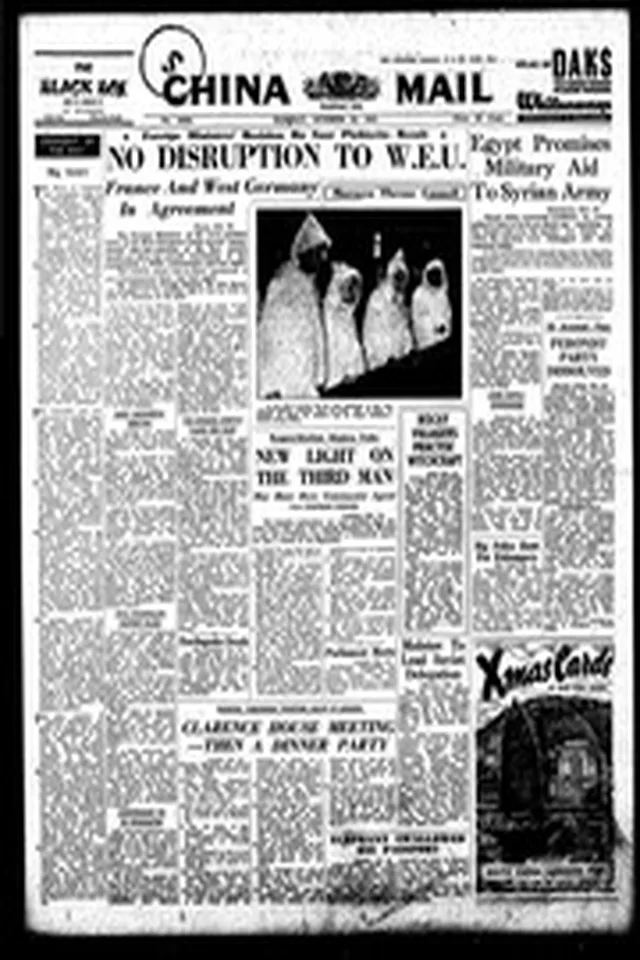
A 1955 newspaper clipping mentions Biscay villagers openly practicing witchcraft.
The China Mail, dated October 25, 1955, contains a brief report about witchcraft practiced openly by villagers in the Biscay region. This snippet appears amidst broader news of geopolitical events and Cold War tensions. The inclusion of such a report within a mainstream publication from this era provides a curious point of reference for folk magic and pre-Christian traditions persisting into the mid-20th century.
This fragment is unusual not for its content alone, but for its appearance in a general newspaper at a time of significant global upheaval. It suggests that elements of older spiritual practices, often considered relegated to the past or to fringe groups, were still visible enough to warrant mention, even if briefly. The unnamed author of the original report or the newspaper's editorial choice allows the observation to stand without extensive commentary, presenting a raw piece of cultural observation from that period.
This item touches upon the continuity of earth-based spiritualities and folk traditions that exist outside of formalized religious structures. While not a treatise on occult theory, its mention of open witchcraft practices in 1955 offers a point of inquiry into how such beliefs and practices were perceived and recorded, even in seemingly secular contexts. It situates itself within a broader historical interest in the survival of indigenous or folk spiritual systems against the backdrop of modernization and global conflict.
💡 Why Read This Book?
Uncover the clandestine presence of witchcraft in 1955, a stark contrast to the era's political machinations. This document offers a rare glimpse into folk magic's persistence and the hidden spiritual lives of communities. Ideal for seekers of esoteric history, scholars of paganism, and anyone intrigued by the enduring power of ancient traditions in a modernizing world.
⭐ Reader Reviews
Honest opinions from readers who have explored this book.
❓ Frequently Asked Questions
What is the primary esoteric revelation within this newspaper excerpt?
The most striking esoteric element is the direct mention of 'Biscay villagers practis[ing] witchcraft,' highlighting the continued existence of pagan and folk magic traditions in the mid-20th century, juxtaposed with contemporary political events.
Who is the 'Unknown' author, and why is their anonymity significant?
The author is deliberately uncredited, suggesting the importance of the information itself rather than the individual conveying it. This allows the historical record and the observed phenomena to stand forth, uncolored by personal bias or reputation.
How does this excerpt connect to broader witchcraft and paganism studies?
It provides a specific, dated reference point for the ongoing practice of folk witchcraft outside of academic or romanticized portrayals, serving as a valuable piece of evidence for historians and practitioners studying the continuity of these traditions.
What is the historical context surrounding this mention of witchcraft?
The excerpt originates from a period of significant geopolitical tension (Cold War) and post-war reconstruction. The mention of witchcraft suggests that older, Earth-centered spiritual practices persisted, often unnoticed, beneath the surface of these global events.
Can this excerpt be considered a primary source for witchcraft research?
Yes, absolutely. As a direct newspaper report from the time, it functions as a primary source, offering contemporary, albeit brief, evidence of witchcraft practices in a specific geographic location and historical moment.
🔮 Key Themes & Symbolism
Persistence of Folk Magic
This excerpt serves as a powerful evidence of the enduring presence of folk magic and witchcraft practices in the mid-20th century, a time often perceived as increasingly secularized and rationalized. The mention of Biscay villagers openly engaging in these traditions challenges the notion that such practices were relegated to history or remote, isolated communities. It underscores the resilience of ancient belief systems and their ability to adapt and persist, often in plain sight, even amidst profound societal and political shifts. This theme invites reflection on the deep-seated human need for spiritual connection and ritual that transcends dominant cultural narratives.
Juxtaposition of the Mundane and the Mystical
The true esoteric power of this text lies in its stark juxtaposition. Alongside reports of international agreements, political nominations, and even earthquake deaths, a brief but potent mention of witchcraft emerges. This contrast highlights how the mystical and the mundane coexist, often interwoven in ways that are not immediately apparent. It suggests that while global events capture headlines, the deeper, often hidden, currents of spiritual life continue to shape human experience. This theme encourages readers to look beyond the obvious narratives and to recognize the subtle yet significant role of esoteric practices in the fabric of everyday existence.
The 'Unknown' as a Conduit of Truth
The deliberate anonymity of the author ('Unknown') is not a void but a deliberate choice that amplifies the esoteric significance of the text. By removing the author's identity, the focus is entirely shifted to the message itself – the reported observation of witchcraft. This approach aligns with certain esoteric traditions where the messenger is secondary to the revelation. It suggests that the truth or insight being conveyed is paramount, presented as a raw transmission from the past, unburdened by the ego or reputation of an individual. This allows the reader to engage directly with the historical and spiritual data presented.
💬 Memorable Quotes
Direct passages from the work, attributed to the author.
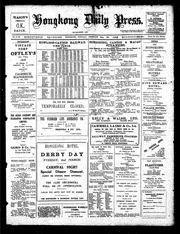
“BISCAY VILLAGERS PRACTISE WITCHCRAFT.”
— This simple, declarative statement is the core esoteric revelation, a factual account of pagan traditions thriving in the mid-20th century, defying expectations of widespread secularization.
“NO DISRUPTION TO W. E. U.”
— Highlights the ongoing geopolitical landscape, providing a stark, mundane contrast to the hidden spiritual practices mentioned elsewhere.
“NEW LIGHT ON THE THIRD MAN.”
— Suggests themes of hidden identities and potential espionage, subtly resonating with the idea of concealed knowledge and veiled truths.
“PRO - CERMAN PARTY'S PLANS FOR SAAR.”
— Underscores the complex political machinations of the era, serving as a backdrop that makes the continued practice of ancient witchcraft even more remarkable.
“Molotov To Lead Soviet Delegation.”
— Points to significant international diplomatic movements, emphasizing the global scale of events juxtaposed with localized, ancient practices.
🌙 Esoteric Significance
Tradition
This fragment directly touches upon the continuity of Western Esotericism, specifically the enduring lineage of folk witchcraft and pagan practices. It points to the survival of traditions that predate organized religions and have often been practiced in a decentralized, community-based manner. The mention of 'witchcraft' in Biscay suggests a direct link to pre-Christian or syncretic European folk magic, which often involved a deep connection to nature, local spirits, and ancestral veneration. This aligns with the broader field of Shamanism and Animism, where the spiritual world is immanent within the natural world, a concept often central to many earth-based spiritual paths.
Symbolism
The primary symbolic weight rests on the juxtaposition of the mundane headlines with the potent, understated mention of 'witchcraft.' The surrounding political discourse – agreements, nominations, plans – represents the visible, rationalized structures of human society. The 'witchcraft' acts as a symbol of the hidden, the instinctual, the ancient, and the feminine divine that often operates beneath the surface of conscious awareness and societal control. It symbolizes the persistence of primal forces and the deep connection to the Earth, which can be seen as a symbol of the subconscious, the source of life, and the repository of ancient wisdom that remains accessible through ritual and practice.
Modern Relevance
In an era increasingly dominated by digital landscapes and rapid technological advancement, the persistence of ancient practices, as evidenced by this 1955 excerpt, holds profound modern relevance. It reminds us that despite our hyper-connected world, the human need for tangible connection to the Earth, for ritual, and for a sense of the sacred remains. The idea that 'witchcraft' could still be openly practiced in a seemingly modernizing Europe challenges contemporary assumptions about spiritual evolution and the eradication of older beliefs. It underscores the enduring appeal of nature-based spirituality and the potential for finding meaning and power in practices that connect us to something larger than ourselves, offering a grounding counterpoint to the often disembodied nature of modern life.
👥 Who Should Read This Book
This historical fragment is an essential read for several distinct groups. For **seekers of esoteric history**, it offers a rare, concrete piece of evidence for the continued practice of folk witchcraft in the mid-20th century, challenging linear notions of spiritual progress. **Scholars of Paganism and Folklore** will find it a valuable primary source, providing a dated, geographical reference point for their research into the survival and adaptation of ancient traditions. **Practitioners of modern witchcraft and neo-paganism** can draw inspiration from this evidence of the resilience of their lineage, seeing a direct link to those who kept the old ways alive. **Anyone intrigued by the hidden currents of human belief** will find this brief mention a compelling invitation to look beyond the obvious and consider the persistent, often unseen, spiritual dimensions of life.
📜 Historical Context
The China Mail, October 25, 1955, emerges from a central moment in the 20th century. The world was deeply entrenched in the Cold War, a period of intense geopolitical tension, ideological division, and proxy conflicts. Post-World War II reconstruction was underway, but the scars of conflict remained, and new anxieties about nuclear proliferation loomed. In this context, the mention of 'Biscay villagers practis[ing] witchcraft' is particularly striking. It suggests that amidst the grand narratives of global power struggles, espionage (hinted at by 'New Light on the Third Man'), and burgeoning international alliances (like the W.E.U. and agreements between France and West Germany), ancient, Earth-centered spiritual practices continued to hold sway in localized communities. This excerpt offers a counterpoint to the dominant, often secular, discourse of the time, reminding us that deeply ingrained cultural and spiritual traditions often persist, quietly influencing the lives of people even as the world stage is dominated by overt political and military developments.
📔 Journal Prompts
Reflect on a time when you encountered an ancient practice in a modern context. How did it feel?
Consider the 'Biscay villagers practis[ing] witchcraft.' What might their rituals have involved, and what purpose did they serve in their lives?
How does the juxtaposition of political news with the mention of witchcraft change your perception of the year 1955?
If you were to write a short story inspired by this excerpt, what would be the central conflict or revelation?
What does the phrase 'practise witchcraft' signify to you today, and how has its meaning evolved or persisted?
🗂️ Glossary
Witchcraft
Historically, a broad term encompassing a range of folk beliefs and practices, often associated with nature, healing, divination, and perceived magical abilities. In the context of this excerpt, it likely refers to traditional, Earth-centered spiritual practices.
Paganism
A broad term referring to polytheistic, nature-based religions that predate or exist outside of the Abrahamic traditions. It often emphasizes reverence for the Earth, deities associated with natural forces, and cyclical understandings of life and death.
Esoteric
Relating to or accessible only by a relatively small number of people with a specialized knowledge or interest. In spiritual contexts, it refers to inner teachings, hidden meanings, and mystical understanding.
Juxtaposition
The act or instance of placing two or more things side by side to compare or contrast them or to create an interesting effect. In this text, it highlights the contrast between political events and spiritual practices.
Folk Magic
Magical practices passed down through oral tradition within a specific community or culture, often integrated into daily life and tied to local beliefs and customs, distinct from formalized ceremonial magic.
This book appears in 2 collections
🔮 Readers Also Liked
Browse all →

![ERIC ED481283: Salem Witch Trials. [Lesson Plan].](/img/thumb/eric-ed481283-salem-witch-trials-lesson-plan-eric.webp)
![AD [frag.] Gela Hermann Büder Wittwe zu Rodenbach Clägerin. Contra Die Gemeindte desselbsten und sonderlich Johannes ... 1650-1651: Iss 180](/img/thumb/ad-frag-gela-hermann-b-der-wittwe-zu-rodenbach-cl-gerin-contra-die-gemeindte-desselbsten-und-sonderlich-johannes-1650-1651-iss-180-buder-gela.webp)


From the “Witchcraft” Collection
View all →







More Free Witchcraft & Paganism Books
View all →