A Textbook of Theosophy
 79
79

A Textbook of Theosophy

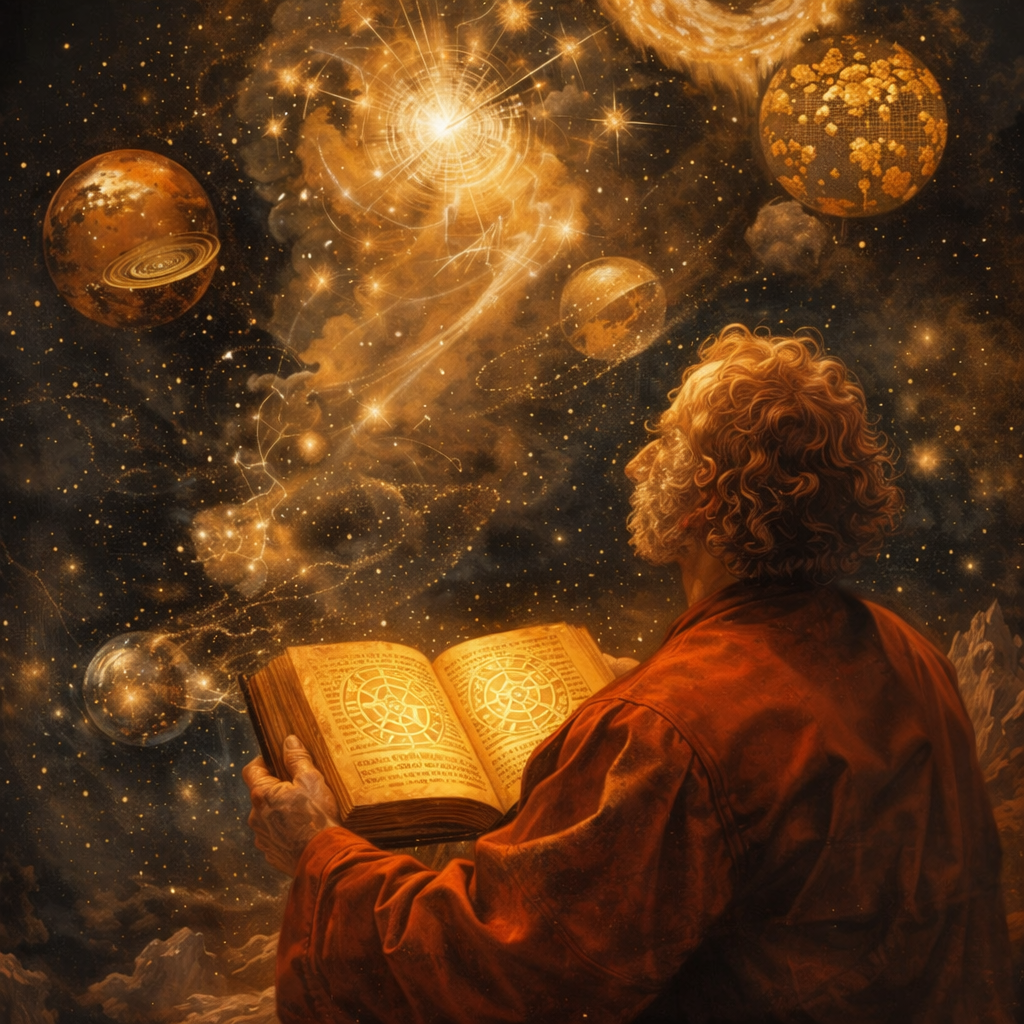

'A Textbook of Theosophy' by Charles Webster Leadbeater is a foundational text for anyone delving into the mysteries of Theosophy and Anthroposophy. Leadbeater's clear and concise writing style makes complex esoteric concepts accessible, making this book an invaluable resource for both beginners and seasoned esoteric seekers. The historical context provided by Leadbeater enriches the reader's understanding of the Theosophical movement and its enduring influence. For modern readers, this text serves as a gateway to ancient wisdom, offering timeless insights into the nature of reality and the human spirit. The detailed explanations of reincarnation, karma, and the seven planes of existence provide a solid framework for spiritual exploration. Leadbeater's work is a must-read for anyone interested in the occult and spiritual development.
📝 Description
79
Charles Webster Leadbeater's 1912 'A Textbook of Theosophy' maps the human constitution.
Published in 1912, Charles Webster Leadbeater's 'A Textbook of Theosophy' details the human being through a Theosophical lens. Leadbeater describes the physical, astral, and mental bodies, explaining their functions and interrelations. The book aims to clarify the esoteric anatomy of human consciousness and its connection to broader cosmic principles.
It presents a structured view of spiritual development, drawing heavily on the symbolic language and conceptual frameworks established by Helena Blavatsky. The text discusses concepts such as karma, reincarnation, and the evolution of consciousness across different planes of existence. Leadbeater's approach is didactic, intended to educate students on the fundamental tenets of Theosophy regarding human nature and its spiritual potential.
This book is situated within the early 20th-century Theosophical movement, a significant force in Western esotericism. Theosophy, as articulated by Helena Blavatsky and further developed by figures like Leadbeater, sought to synthesize Eastern religious philosophies with Western occult traditions. 'A Textbook of Theosophy' follows this pattern by presenting complex metaphysical ideas in a systematic manner, aiming to provide a coherent worldview for its adherents. It reflects the movement's interest in explaining human life and the universe through concepts like hidden planes of existence, spiritual hierarchies, and a scientifically ordered occultism.
💡 Why Read This Book?
Reading 'A Textbook of Theosophy' today offers readers a profound journey into the heart of esoteric wisdom. This book provides a comprehensive understanding of Theosophical principles, making it an essential guide for spiritual seekers. By exploring the themes of reincarnation, karma, and the human aura, readers gain insights that can enrich their spiritual practice and personal growth. Whether you are new to Theosophy or a seasoned practitioner, this text offers valuable knowledge that can deepen your understanding of the mystical traditions and their relevance in the modern world.
⭐ Reader Reviews
Honest opinions from readers who have explored this book.
❓ Frequently Asked Questions
What is the main focus of 'A Textbook of Theosophy'?
The main focus of 'A Textbook of Theosophy' is to provide an introductory overview of Theosophical principles, including reincarnation, karma, and the structure of the human aura.
Is this book suitable for beginners in Theosophy?
Yes, this book is suitable for beginners as it presents complex esoteric concepts in a clear and accessible manner.
How does this book relate to Anthroposophy?
This book provides foundational knowledge that is relevant to both Theosophy and Anthroposophy, making it a valuable resource for those interested in both fields.
🔮 Key Themes & Symbolism
The Astral Body
Leadbeater looks at the nature of the astral body, exploring its role in the human experience and its connection to the spiritual realm. This theme is rich in symbolism and esoteric insights, offering a profound understanding of the hidden dimensions of existence.
The Physical Body
The physical body is examined not just as a biological entity but as a vessel for spiritual energy. Leadbeater's exploration of this theme reveals the intricate relationship between the physical and the metaphysical, providing a holistic view of human nature.
The Mental Body
The mental body is a crucial aspect of the human constitution, and Leadbeater's work offers useful insights into its functions and significance. This theme is essential for understanding the higher dimensions of consciousness and the path to spiritual enlightenment.
💬 Memorable Quotes
Direct passages from the work, attributed to the author.
“The mental body is the key to higher consciousness.”
— Leadbeater's words point to the mental body as the gateway to deeper spiritual understanding and enlightenment.
“Theosophy reveals the hidden dimensions of reality.”
— This statement captures the core mission of Theosophy, aiming to uncover the mysteries of existence.
💡 Key Ideas
Editorial paraphrase of the work's core concepts — not direct quotes.
The astral body is the mirror of the soul.
This quote underscores the spiritual significance of the astral body, reflecting the inner essence of the individual.
The physical body is a temple of the spirit.
This passage highlights the sacred nature of the physical form, emphasizing its role in spiritual practice.
Every human being is a divine spark.
This quote emphasizes the inherent divinity within each individual, a central tenet of Theosophical thought.
🌙 Esoteric Significance
Tradition
This book belongs to the Theosophical tradition, which draws from various esoteric and mystical teachings to offer a unified understanding of the spiritual path. Theosophy emphasizes the divine spark within every individual and seeks to reveal the hidden dimensions of reality.
Symbolism
Key symbols in this work include the astral body, the physical body, and the mental body, each representing different aspects of the human experience. These symbols are rich in esoteric meaning, offering insights into the spiritual journey and the quest for enlightenment.
Modern Relevance
The teachings of 'A Textbook of Theosophy' remain relevant today, influencing modern practitioners of spiritual and mystical disciplines. Many contemporary seekers and scholars continue to draw upon Leadbeater's insights to deepen their understanding of the esoteric traditions and the path to spiritual awakening.
👥 Who Should Read This Book
This book is ideal for beginners seeking an introduction to Theosophical teachings, scholars of esoteric traditions, and spiritual seekers looking to deepen their understanding of the mystical arts. Practitioners of meditation, yoga, and other spiritual disciplines will find valuable insights and guidance within its pages. Specifically, those interested in the astral, physical, and mental bodies will benefit greatly from Leadbeater's comprehensive exploration.
📜 Historical Context
Written in an era of spiritual awakening, 'A Textbook of Theosophy' emerged as a response to the growing interest in esoteric and mystical traditions. Charles Webster Leadbeater, a prominent Theosophist, sought to provide a comprehensive guide to the teachings of Theosophy, which had gained significant attention in the late 19th and early 20th centuries. The book's influence can be seen in the works of subsequent spiritual leaders and thinkers, who drew upon its insights to further develop their own philosophies and practices.
📔 Journal Prompts
Reflect on your understanding of the astral body and its role in your spiritual journey.
How does the physical body serve as a temple of the spirit in your daily life?
Explore the significance of the mental body in achieving higher consciousness.
Consider the hidden dimensions of reality as revealed by Theosophical teachings.
What does the concept of the divine spark within each individual mean to you?
🗂️ Glossary
Astral Body
The ethereal or subtle body that is believed to exist alongside the physical body, serving as a conduit for spiritual energy.
Physical Body
The tangible, biological form that houses the spirit and serves as a vehicle for spiritual practice.
Mental Body
The aspect of the human constitution that encompasses the mind and higher consciousness, crucial for spiritual enlightenment.
Theosophy
An esoteric tradition that seeks to reveal the hidden dimensions of reality and the divine spark within each individual.
Divine Spark
The inherent divinity within every human being, a central tenet of Theosophical thought.
This book appears in 2 collections
🔮 Readers Also Liked
Browse all →




More by Charles Webster Leadbeater
All books →





From the “Theosophy” Collection
View all →




More Free Theosophy & Anthroposophy Books
View all →