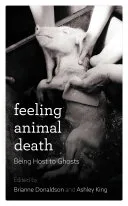
Feeling Animal Death
 81
81

Feeling Animal Death
The collection *Feeling Animal Death* offers a compelling, albeit sometimes uneven, exploration of human emotional responses to animal mortality. Its strength lies in its diverse disciplinary scope, bringing together insights from bio-medical research and black theology, which is a rare and valuable juxtaposition. The work particularly shines when discussing how individuals across these fields learn and perform emotions, thereby expanding their own sense of self. A notable limitation is the lack of a central, unifying theoretical framework, which can leave the reader feeling adrift between essays. However, the exploration of how "passionate, but not romanticized, attachment" can alter one's purpose is a powerful thread. Ultimately, this compilation serves as a significant, if occasionally fragmented, contribution to understanding the often-hidden emotional lives that bind us to the animal world.
📝 Description
81
Published in 2019, Feeling Animal Death examines human emotional entanglements with non-human animals during widespread animal demise.
This book addresses the often unacknowledged emotional and psychological connections between humans and other animals, especially concerning animal mortality. It draws on scientific research, theological ideas, and artistic expression to show how people engage with and process these relationships. The text points to instances where facing animal death has prompted significant personal changes in identity, purpose, and community bonds.
It speaks to scholars, artists, theologians, and anyone interested in interspecies connections and animal ethics. The book appeals to those who question human-centered views and want to grasp the wider range of emotional experiences that include non-human consciousness. Readers in animal studies, ecopsychology, and critical theory will find its discussions relevant.
The work emerged in 2019, a time when awareness of animal sentience and rights was growing in academic and cultural circles. It builds on decades of theory that questioned human uniqueness, from early feminist analyses of speciesism to later work in affect theory and posthumanism. This book adds to a growing body of writing that moves past simple ethical concerns to examine the actual emotional realities of interspecies bonds.
Feeling Animal Death sits within a contemporary discourse that challenges anthropocentrism, a lineage tracing back to early critiques of speciesism and the rise of posthumanist thought. It engages with philosophical traditions that question human exceptionalism and explore the subjective experiences of non-human beings. By examining the emotional dimensions of human-animal relationships in the face of death, the book touches upon themes of interconnectedness and shared vulnerability that resonate with certain spiritual and contemplative practices seeking to dissolve artificial boundaries between self and other.
💡 Why Read This Book?
• Learn how diverse disciplines, from biomedical research to black theology, approach the emotional impact of animal death, as detailed in the book's cross-disciplinary examples, offering unique perspectives beyond typical animal welfare discussions. • Understand the concept of "affective exchange" as presented in the text, moving beyond basic empathy to explore reciprocal emotional flows with non-human creatures, a nuanced approach not commonly found in popular literature. • Discover how engaging with animal mortality can lead to a personal "alteration of self," as the book provides concrete examples of individuals reconfiguring their identity and sense of purpose due to these interspecies connections, as explored since its 2019 publication.
⭐ Reader Reviews
Honest opinions from readers who have explored this book.
❓ Frequently Asked Questions
What is the central theme of 'Feeling Animal Death'?
The book's central theme is the overlooked emotional and psychological exchange between humans and non-human animals, especially in societies where animal deaths are commonplace. It explores how these interactions can lead to significant personal changes in individuals across various disciplines.
Which academic fields are represented in 'Feeling Animal Death'?
The book draws from a wide array of fields, including biomedical research, black theology, art, and critical theory. This interdisciplinary approach offers a multifaceted view of human-animal emotional connections.
When was 'Feeling Animal Death' first published?
The book was first published on June 20, 2019. This recent publication date situates its discussions within contemporary dialogues on animal studies and consciousness.
Does the book romanticize human-animal relationships?
No, the blurb explicitly states the book explores "passionate, but not romanticized, attachment." It aims for a grounded, analytical approach rather than sentimental idealization of these bonds.
Who is the author of 'Feeling Animal Death'?
The author is listed as Unknown. The book was first published in 2019, and its origins or individual authorship are not clearly attributed in the provided information.
What does the book mean by the 'ubiquitous deaths of animals'?
This phrase refers to the widespread and often normalized occurrence of animal deaths in modern societies, whether through industrial farming, habitat destruction, or pet loss. The book examines how this pervasive reality shapes human emotional engagement with animals.
🔮 Key Themes & Symbolism
Interspecies Affective Exchange
This theme examines the reciprocal emotional currents between humans and non-human creatures. It posits that these exchanges are not one-sided but involve a dynamic flow of affect, influencing both parties. The work explores how this "passionate attachment," distinct from romantic notions, can profoundly shape human experience, leading to shifts in behavior, self-perception, and community. It challenges anthropocentric views by highlighting the emotional depth possible in relationships with other species.
Societal Animal Mortality
The book confronts the pervasive reality of animal deaths within contemporary societies, termed 'ubiquitous deaths.' This isn't limited to individual pet loss but encompasses the vast scale of animal demise through industrial practices and environmental degradation. It argues that this societal condition often leads to suppressed grief, desensitization, or denial, influencing how humans relate to and feel about animals, and necessitating a more conscious engagement with this difficult aspect of existence.
Personal Transformation Through Connection
A core concept is how deep engagement with non-human animals, particularly in the face of their mortality, can catalyze significant personal transformation. The work illustrates how individuals across diverse fields have experienced an 'alteration of self,' redefining their purpose, expanding their desires, and modifying their behavior. This transformation arises from confronting emotional complexities and developing new ways of being in relation to other species.
Expanding Human Desires and Behaviors
The text investigates how connections with animals can broaden the scope of human experience and action. By encountering different modes of being and emotional expression in non-human creatures, individuals can discover novel ways of behaving and expand their understanding of what is desirable. This expansion challenges conventional human-centric frameworks and encourages more inclusive, empathetic, and perhaps ecologically attuned, modes of existence and interaction.
💬 Memorable Quotes
Direct passages from the work, attributed to the author.
“The emotional exchange between so-called “humans” and more-than-human creatures is an overlooked phenomenon.”
— This statement directly addresses the book's central thesis, highlighting the significant, yet often ignored, affective bonds that exist between people and animals. It sets the stage for exploring these often-unacknowledged connections.
“Altering their sense of self, purpose, and community because of passionate, but not romanticized, attachment.”
— This captures the transformative potential of human-animal relationships. It underscores that deep connections, grounded in reality rather than idealized sentiment, can fundamentally reshape an individual's identity, life direction, and social connections.
“Societies characterized by the ubiquitous deaths of animals.”
— This phrase defines the backdrop against which human-animal emotional interactions occur. It points to the widespread, often normalized, presence of animal mortality in modern life and its impact on our psychological landscape.
“Perspectives—from biomedical research to black theology to art.”
— This indicates the book's interdisciplinary approach, showcasing the diverse viewpoints and fields of study that contribute to understanding human-animal emotional dynamics. It highlights the breadth of inquiry employed.
💡 Key Ideas
Editorial paraphrase of the work's core concepts — not direct quotes.
People... learning and performing emotions, expanding their desires, discovering new ways to behave.
This paraphrased concept emphasizes the active, dynamic nature of human engagement with animal-related emotions. It suggests that these experiences are not passive but involve conscious learning, adaptation, and personal growth, leading to tangible changes in behavior.
🌙 Esoteric Significance
Tradition
While not strictly adhering to a single esoteric lineage like Hermeticism or Gnosticism, *Feeling Animal Death* engages with themes resonant within animistic and shamanic traditions. These traditions often emphasize reciprocal relationships with the natural world and the spiritual significance of animal beings. The book's focus on affective exchange and the transformative power of interspecies connection echoes ancient understandings of humans as part of a larger, sentient web of life, departing from purely rationalist or dogmatic frameworks.
Symbolism
The primary "symbol" explored is the animal itself, not as a mere biological entity, but as a locus of profound emotional and spiritual connection. The "death" of animals functions as a potent symbol of loss, grief, and the consequences of human actions, serving as a catalyst for deeper self-understanding. The concept of "affective exchange" symbolizes the unseen energetic and emotional bridges that connect different forms of consciousness, challenging the perceived separation between human and non-human realms.
Modern Relevance
Contemporary thinkers and practitioners in fields like ecopsychology, deep ecology, and certain branches of trauma-informed care find resonance in this work. Its exploration of embodied emotional experience and the psychological impact of ecological destruction aligns with modern therapeutic approaches that integrate somatic awareness and environmental connection. The book's emphasis on non-romanticized attachment is relevant to current discussions on ethical veganism and animal rights, pushing for a more nuanced understanding of interspecies relationships beyond simplistic moralizing.
👥 Who Should Read This Book
• Scholars and students of animal studies, ecopsychology, and critical theory seeking to understand the emotional dimensions of human-animal relationships beyond ethical frameworks. • Artists, writers, and theologians interested in exploring the subjective experience of interspecies connection and the impact of animal mortality on human consciousness and creativity. • Individuals grappling with grief, loss, or existential questions related to the natural world, who are looking for a reflective, analytical approach to the emotional complexities of living alongside other species.
📜 Historical Context
Published in 2019, *Feeling Animal Death* emerged during a period of heightened awareness regarding animal sentience and the ethical implications of human-animal interactions. This era saw the continued influence of critical animal studies, building upon foundational texts like Carol J. Adams's *The Sexual Politics of Meat* (1990), which challenged speciesism. Posthumanist thought also played a role, questioning anthropocentric hierarchies. The book's interdisciplinary nature, drawing from fields like black theology and biomedical research, reflects a broader academic trend towards dismantling disciplinary boundaries to address complex social and ethical issues. While specific reception details like major reviews or controversies are not readily available, the work contributes to a growing discourse that moves beyond abstract ethics to explore the lived, emotional realities of our relationship with the non-human world, engaging with thinkers who similarly explore embodiment and affect.
📔 Journal Prompts
The ubiquitous deaths of animals as a societal condition.
How does "affective exchange" manifest in your personal experiences with non-human beings?
Identify moments where your sense of self was altered by an interaction with an animal.
Analyze the concept of "expanding desires" through interspecies connection.
Reflect on the boundaries between "passionate" and "romanticized" attachment to animals.
🗂️ Glossary
Affective Exchange
The reciprocal flow of emotions and feelings between humans and non-human animals. It suggests a dynamic, two-way connection that influences the subjective experience of both parties involved.
More-than-human creatures
A term used to refer to non-human animals and other living beings, emphasizing their agency, sentience, and significance beyond their utility to humans. It challenges anthropocentric perspectives.
Ubiquitous deaths of animals
Refers to the widespread and often normalized occurrence of animal mortality in contemporary society, encompassing issues from industrial agriculture to habitat loss, and its psychological impact.
Alteration of self
A significant shift in an individual's sense of identity, purpose, or worldview, often brought about by profound experiences, such as deep engagement with interspecies relationships or confronting mortality.
Passionate attachment
A strong emotional bond characterized by deep care and engagement, distinct from romantic or sentimental idealization. It implies a grounded, yet intense, connection.
Performing emotions
The act of consciously learning, expressing, and integrating emotional responses related to non-human animals, often involving behavioral adaptation and a broadening of emotional capacity.
Expanding desires
The broadening of an individual's aspirations, interests, and wants, influenced by new perspectives gained through interactions with other beings, particularly non-human animals.