The Ragamuffin Gospel
 81
81

The Ragamuffin Gospel
Brennan Manning’s The Ragamuffin Gospel is less a theological treatise and more a raw, confessional outpouring that aims to dismantle the scaffolding of self-righteousness. Manning’s strength lies in his unflinching honesty about his own failings, which lends an undeniable authenticity to his message of grace. He masterfully uses anecdote and often startling imagery to convey the sheer abundance of God’s love for the broken. The limitation, however, is that the book’s structure can feel somewhat rambling, akin to a series of powerful sermons rather than a cohesive argument. For instance, his repeated emphasis on the "condemnation" often felt from within the church community itself, rather than external forces, while relatable, could benefit from more structured exploration. Ultimately, it’s a vital corrective for anyone trapped by religious guilt, offering a potent reminder of grace's unmerited nature.
📝 Description
81
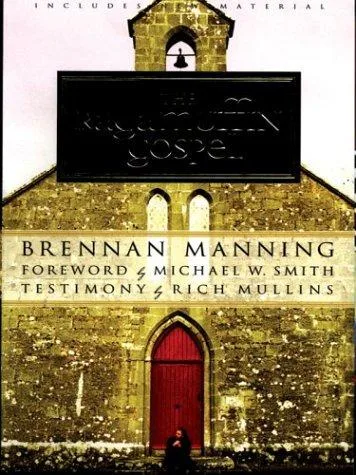
Brennan Manning's 1990 book, The Ragamuffin Gospel, redefines grace for the imperfect.
The Ragamuffin Gospel argues for a radical, unconditional grace that God offers to everyone, especially those who feel flawed or marginalized. Brennan Manning, drawing on his own experiences and theological thought, suggests that this divine love is not earned through merit or achievement. Instead, the book presents a series of meditations and personal stories centered on the idea of the 'ragamuffin'—a person who acknowledges their brokenness but trusts in God's complete acceptance.
Manning wrote this book for individuals who feel disqualified by past mistakes or ongoing struggles, and who are tired of seeking religious approval. It is for those who desire a more genuine connection with the divine, one not based on performance. Readers who value honest, vulnerable writing that challenges spiritual hypocrisy will find Manning's vision of grace as a freely given gift resonates deeply.
Published in 1990, The Ragamuffin Gospel emerged within a Christian context increasingly interested in contemplative practices and personal testimony. It offered a counterpoint to what some perceived as an overly moralistic or achievement-focused religious atmosphere. Manning's emphasis on unearned grace and the acceptance of human brokenness aligns with certain mystical traditions that prioritize direct experience of the divine over adherence to strict rules or the accumulation of merit. The book advocates for a spiritual path rooted in receiving God's love rather than striving to earn it.
💡 Why Read This Book?
• You will learn to internalize the concept of "scandalous grace" as presented in Manning's 1990 work, understanding grace not as earned but as an unmerited divine gift that transcends human imperfection. • You will feel a profound sense of freedom from the pressure of religious performance, recognizing that your worth is not tied to your achievements or adherence to rules, a core theme in the book’s critique of "performance-based religion." • You will encounter a new way of viewing your own "ragamuffin" identity, embracing your brokenness not as a barrier to God's love but as the very place where grace can most powerfully operate, a central metaphor Manning employs.
⭐ Reader Reviews
Honest opinions from readers who have explored this book.
❓ Frequently Asked Questions
What is the core message of Brennan Manning's The Ragamuffin Gospel?
The core message is one of "scandalous grace"—God's unconditional, extravagant love for all people, especially the marginalized and imperfect. Manning argues against earning God's favor through works, emphasizing grace as a free gift received by those who recognize their own brokenness, first published in 1990.
Who is Brennan Manning and why is his perspective unique?
Brennan Manning was an American author and itinerant preacher known for his candid writing on Christian spirituality. His unique perspective stems from his personal struggles with alcoholism and his deeply honest, often vulnerable, self-disclosure, which he used to illustrate God's boundless grace.
What does Manning mean by the term 'ragamuffin'?
In The Ragamuffin Gospel, a 'ragamuffin' is someone who acknowledges their own inadequacy, sinfulness, and brokenness. Instead of hiding these imperfections, the ragamuffin embraces them, understanding that they are loved by God precisely in their imperfection, not in spite of it.
How does The Ragamuffin Gospel challenge traditional religious views?
It challenges views that emphasize human merit, achievement, or perfect behavior as prerequisites for divine favor. Manning presents grace as a radical, unearned gift that bypasses human efforts, directly confronting any form of "performance-based religion."
Is The Ragamuffin Gospel a theological textbook?
No, it is not a systematic theological textbook. It is a collection of meditations, personal stories, and reflections that aim to convey a spiritual truth about grace through relatable, often emotional, language.
What is the historical significance of The Ragamuffin Gospel's publication in 1990?
Published in 1990, it offered a counterpoint to prevailing legalistic or performance-oriented religious teachings. It resonated with a growing desire for authenticity and grace-centered spirituality, contributing to a broader conversation about faith beyond rule-following.
🔮 Key Themes & Symbolism
Scandalous Grace
This theme posits that God's grace is not earned through human effort or perfection but is an extravagant, almost offensive, gift offered freely. It challenges the notion of "performance-based religion," where individuals believe they must achieve a certain status or behavior to be accepted. Manning uses vivid language to illustrate how this grace is available to the "ragamuffin"—the one who acknowledges their own inadequacy—making it a central tenet of his theological outlook first articulated in his 1990 work.
The Ragamuffin Identity
The 'ragamuffin' is a powerful archetype representing the broken, imperfect, and often marginalized individual. This identity is not one to be hidden or overcome through self-improvement but embraced as the very condition through which God's grace is received. Manning suggests that true spiritual maturity lies in acknowledging one's limitations and surrendering to divine love, rather than striving for an unattainable ideal of religious purity.
Critique of Religious Performance
Manning directly confronts the tendency within religious communities to foster an environment where individuals feel judged or inadequate based on their actions or spiritual achievements. He argues that such 'performance-based religion' creates a barrier to authentic faith and relationship with God. The book advocates for a shift from striving to receiving, from earning to accepting, thereby liberating believers from the exhausting pursuit of spiritual merit.
Authentic Spirituality
Underpinning the entire work is a call for genuine, unvarnished spirituality. Manning champions honesty about one's struggles and doubts, contrasting it with a superficial religiosity. This authentic approach embraces vulnerability and finds spiritual depth not in outward displays of piety but in the inner reality of dependence on God's unconditional love, a message particularly relevant since its 1990 publication.
💬 Memorable Quotes
Direct passages from the work, attributed to the author.
“To be alive is to be in crisis.”
— This statement captures the essence of human existence as a continuous process of challenge and change. It suggests that struggle and difficulty are not aberrations but fundamental components of being alive, implying that growth often emerges from confronting adversity.
“Grace is not a theology. It is a discovery.”
— This challenges a purely intellectual understanding of grace. Manning implies that grace is not merely a doctrine to be learned but an experiential reality to be encountered and recognized in one's life, often in unexpected moments.
“The people who are hurting the most are the ones who are not free to be themselves.”
— This highlights the connection between authenticity and emotional well-being. It suggests that societal or religious pressures to conform can lead to inner suffering, and true freedom comes from the ability to express one's genuine self without fear of judgment.
“God loves you as you are, not as you pretend to be.”
— This is a powerful affirmation of unconditional divine acceptance. It directly counters the pressure to present a perfected or false self, suggesting that God's love is not contingent on our performance or outward appearance but embraces our true, unvarnished nature.
“We are all meant to be imperfect.”
— This interpretation reframes imperfection not as a flaw but as a universal human characteristic. It suggests that embracing our flaws is a key aspect of self-acceptance and spiritual humility, aligning with the 'ragamuffin' identity Manning champions.
🌙 Esoteric Significance
Tradition
While rooted in Christian theology, *The Ragamuffin Gospel* draws upon an undercurrent of esoteric thought that emphasizes direct, unmediated experience of the divine over rigid dogma. It aligns with traditions that highlight divine immanence and the inherent worth of the individual soul, regardless of external religious performance. This approach shares common ground with certain Gnostic perspectives valuing inner knowing and direct encounter with the sacred, and the mystical traditions within Christianity that prioritize divine love over adherence to law.
Symbolism
The central symbol is the 'ragamuffin' itself, representing the imperfect, broken, yet beloved soul. This figure stands in contrast to idealized spiritual archetypes, suggesting that true spiritual power lies in acknowledging one's vulnerability. Another implied symbol is the "scandalous" nature of grace, which is disruptive and defies conventional human logic and societal expectations of merit. This subverts the typical esoteric pursuit of mastery through arcane knowledge, instead pointing to surrender as the path.
Modern Relevance
Manning's emphasis on radical self-acceptance and unconditional love continues to resonate in contemporary spiritual and psychological circles. Thinkers in the fields of trauma-informed spirituality and recovery often cite his work as foundational for understanding grace as a healing force. His critique of "performance-based religion" finds echoes in discussions about burnout in ministry and the search for authentic spiritual practices outside of institutional rigidity, influencing contemporary writers focused on grace and vulnerability.
👥 Who Should Read This Book
• Individuals struggling with feelings of inadequacy or guilt from past mistakes, who will find solace and a path toward self-forgiveness through the book's message of unconditional divine love. • Seekers of a more authentic spiritual path who are weary of religious performance and judgmentalism, and desire a grace-centered relationship with the divine, as explored since its 1990 publication. • Those in recovery or facing personal challenges, who can benefit from Manning's honest portrayal of brokenness and the liberating power of accepting God's unmerited favor.
📜 Historical Context
First published in 1990, Brennan Manning's *The Ragamuffin Gospel* arrived as a significant counter-current to the prevailing evangelical emphasis on moralism and achievement. The era was marked by the rise of the seeker-sensitive church movement, which, while aiming for broader appeal, could sometimes inadvertently reinforce a performance-based approach to faith. Manning's work offered a stark contrast, drawing from the tradition of Christian mysticism and a personal testimony of struggle with alcoholism. His candid embrace of brokenness and radical grace resonated with a growing segment of readers weary of spiritual striving. While not directly engaging with academic theology, his message echoed sentiments found in the works of grace-focused theologians and spiritual writers, offering a more accessible articulation of unconditional divine love. The book’s reception was largely positive among those seeking a less judgmental and more grace-centered spiritual path, though it may have been viewed with skepticism by more conservative or legalistic factions within Christianity.
📔 Journal Prompts
The ragamuffin identity and its implications for self-acceptance.
Reflections on the nature of 'scandalous grace' beyond religious dogma.
Identifying instances of 'performance-based religion' in personal experience.
Exploring the discovery of grace versus its theological definition.
The relationship between authenticity and spiritual freedom.
🗂️ Glossary
Ragamuffin
In Manning's context, a person who acknowledges their own brokenness, imperfections, and sinfulness, and relies on God's grace rather than their own merit. It represents an identity embraced, not hidden.
Scandalous Grace
An extravagant, unearned, and unconditional love from God that defies human logic and societal expectations of merit or worthiness. It is perceived as 'scandalous' because it bypasses human achievement.
Performance-Based Religion
A system of faith where individuals believe their acceptance by God or others is contingent upon their good deeds, spiritual achievements, or adherence to strict rules, rather than on unmerited grace.
Condemnation
A feeling or state of being judged, found wanting, or declared guilty, often stemming from internal self-criticism or perceived failings within a religious context.
Authenticity
The quality of being genuine and true to oneself. In the book, it involves embracing one's vulnerabilities and imperfections rather than presenting a false or idealized persona.
Grace
The unmerited favor of God, understood by Manning not as a theological concept but as a lived, discovered reality of divine love available to all.
Discovery
Manning's concept of grace as something encountered and recognized experientially, rather than solely as an abstract theological doctrine to be intellectually understood.
🔮 Readers Also Liked
Browse all →









More by Brennan Manning
All books →
More Free Spiritual Development Books
View all →