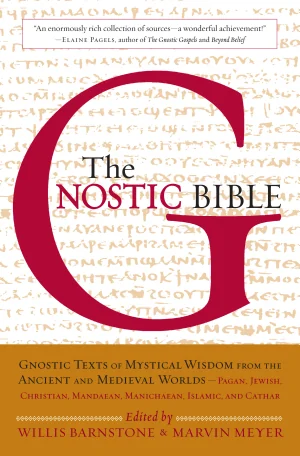
The Gnostic Bible
 75
75

The Gnostic Bible
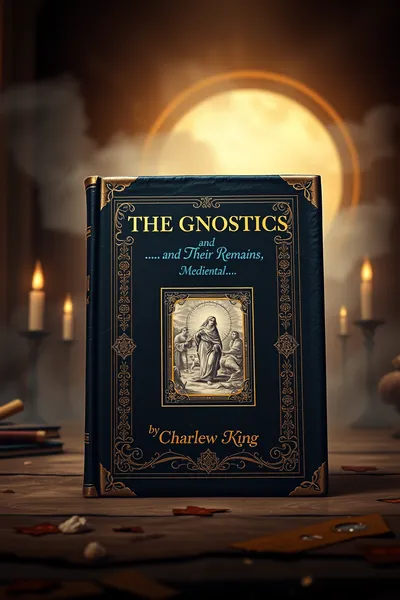
The Gnostic Bible by Barnstone and Meyer is a monumental undertaking, offering a breadth of Gnostic literature unparalleled in a single volume. Its strength lies in its comprehensive scope, bringing together disparate texts from various traditions into a coherent collection. Meyer's scholarly introductions provide crucial context for the often bewildering cosmologies and mythologies presented. However, the sheer volume can be daunting for the uninitiated; a more layered approach, perhaps with thematic introductions to specific schools of Gnosticism within the corpus, might have aided accessibility. The Gospel of Thomas, a key text often associated with Gnosticism, is presented with its unique sayings, highlighting a central Gnostic concern with esoteric knowledge imparted by Jesus. This collection is indispensable for serious study but requires dedicated effort to fully appreciate its intricate spiritual landscape.
📝 Description
75
### What It Is This volume presents the most extensive compilation of Gnostic texts ever assembled, offering a window into a diverse and complex religious movement from late antiquity. The collaboration between poet-translator Willis Barnstone and scholar Marvin W. Meyer ensures both linguistic fidelity and scholarly rigor in presenting these often-obscure scriptures. It gathers primary source materials that illuminate the Gnostic worldview, its cosmology, and its distinct theological perspectives.
### Who It's For This collection is essential for students of early Christianity, comparative religion, and esoteric traditions. It serves scholars needing authoritative translations and general readers curious about alternative spiritual paths that flourished alongside nascent orthodox Christianity. Those interested in the historical Jesus outside canonical Gospels, or in early mystical thought, will find substantial material here.
### Historical Context Emerging in the 2nd century CE, Gnosticism represented a spectrum of beliefs distinct from, and often critical of, emerging orthodox Christian doctrines. These texts, largely suppressed and lost for centuries, were dramatically rediscovered in the 20th century, notably with the Nag Hammadi library discovery in 1945. Barnstone and Meyer's work, first published in 2006, synthesizes and translates a vast array of these rediscovered scriptures, providing access to a major intellectual and spiritual current of the Roman Empire.
### Key Concepts The Gnostic Bible introduces concepts such as the Pleroma (divine fullness), Archons (rulers of the material world), Sophia (wisdom) and her fall, the Demiurge (creator of the flawed material cosmos), and the divine spark within humanity. It explores salvation through gnosis (direct spiritual knowledge) rather than faith or works, offering a radical alternative to mainstream religious thought of its time.
💡 Why Read This Book?
• Gain direct access to primary Gnostic scriptures like the Gospel of Thomas, offering insights into early Christian movements beyond the canonical New Testament. • Understand the concept of 'gnosis' as a path to salvation, a core Gnostic tenet contrasting with faith-based doctrines prevalent in the 2nd century. • Explore complex Gnostic cosmologies, including figures like the Demiurge and Sophia, and their implications for understanding the material world.
⭐ Reader Reviews
Honest opinions from readers who have explored this book.
❓ Frequently Asked Questions
What are the primary Gnostic texts included in this collection?
The Gnostic Bible features key texts such as the Gospel of Thomas, the Gospel of Mary, the Apocryphon of John, and the Sophia of Jesus Christ, among many others, offering a wide spectrum of Gnostic thought.
When were these Gnostic scriptures originally written?
Most of the texts compiled date from the 2nd to the 4th centuries CE, a period when Gnosticism flourished as a diverse set of religious and philosophical movements.
Who are the editors and translators of The Gnostic Bible?
The volume is edited and translated by Willis Barnstone, a renowned poet and translator, and Marvin W. Meyer, a leading scholar of early Christian texts and Gnosticism.
What is the central concept of Gnosticism presented in these texts?
The central concept is 'gnosis,' a form of direct, intuitive spiritual knowledge that leads to salvation and liberation from the material world, often contrasted with faith or ritual.
How does this collection differ from standard Christian Bibles?
Unlike standard Bibles, The Gnostic Bible contains texts that explore alternative cosmologies, a different understanding of Jesus's teachings, and a dualistic view of spirit and matter, often critical of the creator of the material world.
Where were many of these Gnostic texts discovered?
Many of the foundational Gnostic texts, including those in this collection, were dramatically rediscovered in the 20th century, most notably the Nag Hammadi library found in Egypt in 1945.
🔮 Key Themes & Symbolism
Dualistic Cosmology
This collection extensively explores a dualistic worldview, positing a radical separation between a transcendent, unknowable True God and a lesser, flawed creator (the Demiurge) responsible for the material universe. Texts often describe the material world as a prison and the human spirit as a divine spark trapped within it, seeking liberation through knowledge.
Salvation Through Gnosis
A core theme is salvation not through faith or deeds, but through 'gnosis' – direct, experiential knowledge of the divine and one's own true nature. This knowledge is often revealed through esoteric teachings attributed to figures like Jesus, enabling the soul to ascend beyond the material realm.
The Role of Sophia
Many Gnostic myths center on the figure of Sophia (Wisdom), whose fall from the divine realm (Pleroma) precipitates the creation of the flawed material cosmos and its rulers (Archons). Her story explains the origin of suffering and the need for divine intervention and gnosis for redemption.
Esoteric Christology
The Gnostic understanding of Christ often differs significantly from orthodox interpretations. Texts here present Jesus as a revealer of secret knowledge, emphasizing his spiritual teachings over his crucifixion and resurrection as salvific events, offering a path to awakening for the divine spark within.
💬 Memorable Quotes
““He who will seek will find it.””
— This aphorism, common in Gnostic texts like the Gospel of Thomas, encapsulates the emphasis on personal effort and the active pursuit of spiritual understanding as the means to attain divine knowledge.
““The rulers of this world are ignorant.””
— This statement reflects the Gnostic belief that the entities governing the material realm, the Archons, lack true spiritual insight and actively work to keep humanity bound by ignorance and material concerns.
““Jesus said: Do not tell lies, and do not do what you yourselves hate.””
— This ethical teaching, found in the Gospel of Thomas, highlights a practical dimension to Gnostic spirituality, grounding the pursuit of higher knowledge in fundamental moral conduct and self-awareness.
““There is no salvation without [gnosis].””
— This interpretation emphasizes the central Gnostic tenet that liberation from the material world and union with the divine are achieved not through external rituals or faith, but through direct, internal spiritual knowledge.
““The kingdom of God is inside you.””
— This saying from the Gospel of Thomas points to the immanent nature of the divine within the individual, a key Gnostic idea suggesting that the path to salvation lies in recognizing the divine spark already present within oneself.
🌙 Esoteric Significance
Tradition
The Gnostic Bible is central to the Gnostic tradition, a heterodox spiritual path that arose in late antiquity. It represents a significant departure from mainstream Abrahamic religions, emphasizing an innate divine spark within humanity and salvation through direct spiritual knowledge (gnosis) rather than faith or divine grace alone.
Symbolism
Key symbols include the Pleroma, representing the fullness of the divine realm; the Archons, often depicted as malevolent rulers of the material cosmos; and the Serpent, sometimes reinterpreted as a bringer of knowledge rather than a tempter. The 'divine spark' is a recurring motif, symbolizing the trapped essence of divinity within human beings.
Modern Relevance
Contemporary esotericists, depth psychologists (influenced by Jung's work on Gnosticism), and scholars of comparative religion continue to draw from Gnostic texts. The themes of liberation from material constraints, the search for inner truth, and critical examination of societal power structures resonate with various modern spiritual and philosophical movements.
👥 Who Should Read This Book
• Students of early Christianity and comparative religion seeking to understand movements outside the New Testament canon. • Esoteric practitioners interested in the historical roots of dualistic thought and mystical paths emphasizing direct knowledge. • Scholars and readers of ancient philosophy and religion exploring diverse spiritual expressions of the Roman Empire.
📜 Historical Context
Gnosticism emerged as a diverse set of religious ideas in the 2nd century CE, flourishing in various forms across the Roman Empire. It presented a significant intellectual challenge to the developing orthodox Christian doctrines, offering alternative cosmologies, soteriologies, and interpretations of scripture. Key figures like Valentinus developed complex Gnostic systems that engaged directly with Platonic philosophy. The reception of Gnosticism was largely adversarial; Christian apologists like Irenaeus of Lyons, writing in the late 2nd century, vehemently denounced Gnostic teachings as heresy. For centuries, knowledge of Gnosticism came primarily through these condemnations until the dramatic discovery of the Nag Hammadi library in Egypt in 1945, which provided primary Gnostic texts. Barnstone and Meyer's 2006 compilation draws heavily on these and other rediscovered scriptures, making them accessible to a modern audience.
📔 Journal Prompts
The concept of the Demiurge as the creator of the flawed material world.
The Gnostic emphasis on 'gnosis' as a path to liberation.
Sophia's role in Gnostic cosmology and her subsequent fall.
Interpreting the Archons as symbolic representations of oppressive forces.
The significance of Jesus as a revealer of secret knowledge in texts like the Gospel of Thomas.
🗂️ Glossary
Gnosis
Greek for 'knowledge.' In Gnosticism, it refers to direct, intuitive, spiritual insight into the divine and one's true nature, considered essential for salvation.
Demiurge
A figure, often identified with the God of the Old Testament, who is seen as the imperfect creator of the material universe, distinct from the transcendent True God.
Pleroma
The divine fullness or totality of the spiritual realm, the abode of the True God and the aeons (divine emanations).
Archons
Rulers or powers that govern the material cosmos, often depicted as ignorant or malevolent forces seeking to keep human souls trapped in ignorance and matter.
Aeon
Emanations or divine beings that proceed from the True God in the Pleroma. Sophia is often described as an Aeon.
Barbelo
A Gnostic term for the first emanation of God, often seen as a supreme spiritual being or the mind of God, from which other divine emanations proceed.
Sethians
A major school of Gnosticism that traced its spiritual lineage back to Seth, the third son of Adam and Eve, viewing him as a divine revealer.