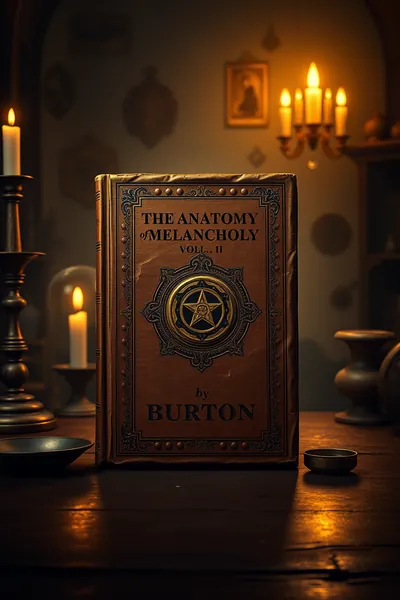
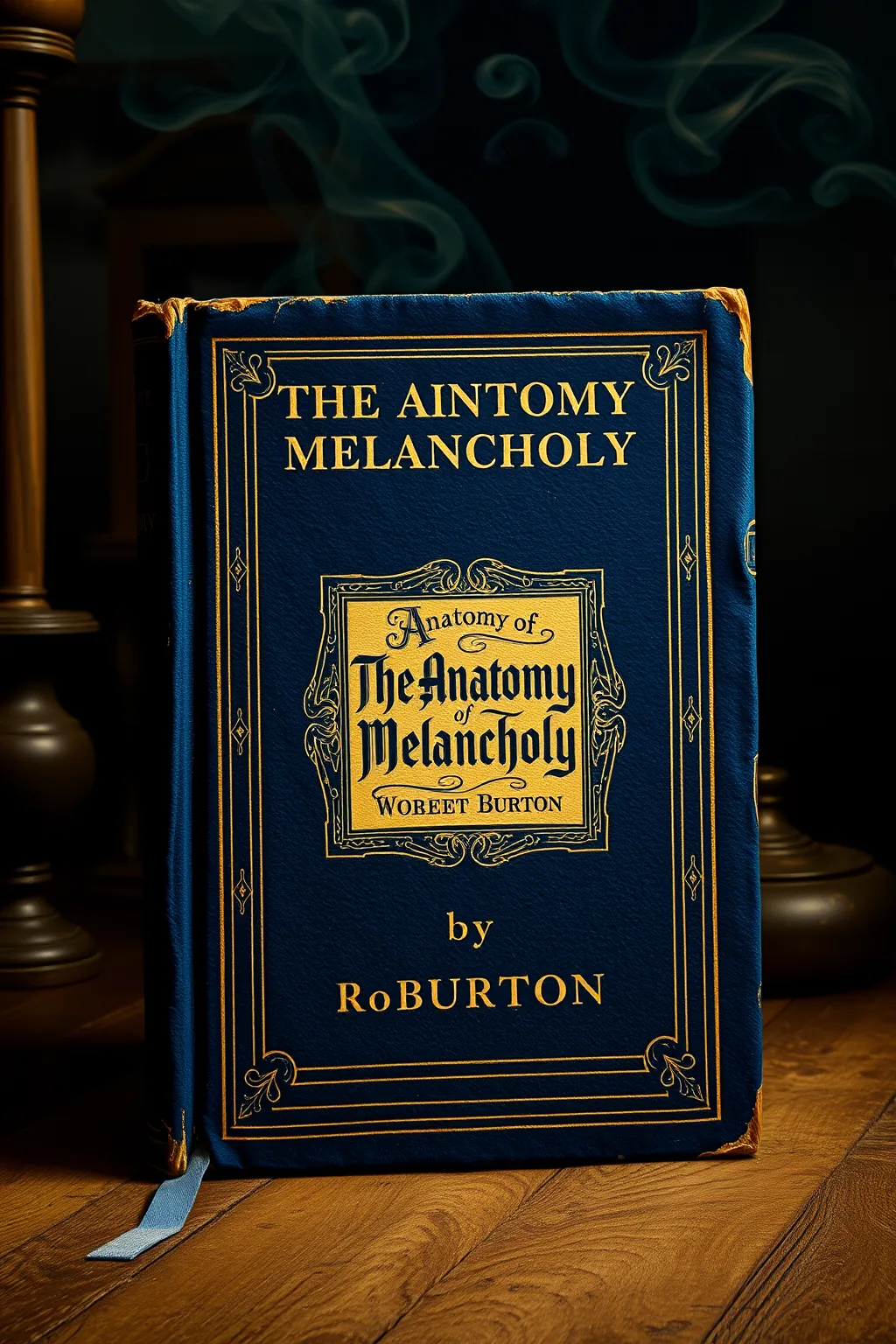
The anatomy of melancholy, what it is, with all the kinds causes, symptomes, prognostics, and several cures of it / Vol. I
 74
74

The anatomy of melancholy, what it is, with all the kinds causes, symptomes, prognostics, and several cures of it / Vol. I



Robert Burton's The Anatomy of Melancholy is a timeless classic that continues to captivate esoteric seekers today. Published in 1826, this work stands as a monumental exploration of melancholy, blending psychological insights with occult and mystical traditions. Burton's thorough examination of the causes, symptoms, and cures of melancholy offers a rich tapestry of knowledge that is as relevant today as it was centuries ago. For modern esoteric seekers, this book serves as a bridge between ancient wisdom and contemporary understanding. Burton's ability to weave together diverse sources and perspectives makes The Anatomy of Melancholy an invaluable resource for those delving into the mysteries of the human psyche. The book's depth and breadth of information make it a stellar addition to any esoteric library.
📝 Description
74
The Anatomy of Melancholy, penned by Robert Burton in 1826, is a profound exploration of the human condition, delving into the esoteric and occult dimensions of melancholy. This seminal work is divided into three volumes, with the first volume available at the Bibliothèque interuniversitaire de santé in Paris and accessible through the Medica digital library. Burton's magnum opus is a comprehensive study of melancholy, encompassing its various causes, symptoms, prognostics, and potential cures. It is a treasure trove for those interested in the intersection of psychology, philosophy, and the occult. The book is rich with historical context, drawing from a wide array of sources including classical literature, medical texts, and mystical traditions. Burton's exploration of melancholy is not merely clinical; it is a deep dive into the human psyche, examining the spiritual and esoteric underpinnings of this complex emotion. The Anatomy of Melancholy is a must-read for scholars of esotericism, occult studies, and anyone seeking a deeper understanding of the human condition. It provides valuable insights into the historical and cultural perceptions of melancholy, making it a relevant text for modern readers interested in the esoteric and occult.
✍️ Author

BURTON, Robert
Robert Burton (8 February 1577 – 25 January 1640; sometimes writing under the pen name Democritus Junior) was an English author and fellow of Oxford University, known for his encyclopedic The Anatomy of Melancholy. Born in 1577 to a comfortably well-off fam…
💡 Why Read This Book?
Reading The Anatomy of Melancholy today offers readers a unique opportunity to explore the esoteric and occult dimensions of human emotion. Burton's comprehensive study provides valuable insights into the historical and cultural perceptions of melancholy, making it a relevant text for modern seekers. By delving into this classic work, readers can gain a deeper understanding of the spiritual and mystical underpinnings of melancholy, enriching their esoteric knowledge and personal growth.
⭐ Reader Reviews
Honest opinions from readers who have explored this book.
❓ Frequently Asked Questions
What is The Anatomy of Melancholy about?
The Anatomy of Melancholy is a detailed exploration of melancholy, covering its causes, symptoms, prognostics, and cures. It blends psychological insights with occult and mystical traditions.
Where can I find this book?
The first volume of The Anatomy of Melancholy is available at the Bibliothèque interuniversitaire de santé in Paris and can be accessed through the Medica digital library.
Who should read this book?
This book is ideal for scholars of esotericism, occult studies, and anyone interested in the deeper dimensions of the human psyche.
🔮 Key Themes & Symbolism
The Nature of Melancholy
Burton delves into the essence of melancholy, exploring its mystical and occult dimensions. He uncovers hidden knowledge about the human psyche, revealing the deeper layers of emotion and spirituality that lie beneath the surface.
Symbolism and Spirituality
The book is rich in symbolism, using esoteric and mystical imagery to illustrate the complexities of melancholy. Burton's use of spiritual symbolism provides a unique perspective on the human condition, inviting readers to explore the deeper meanings of their emotions.
Philosophical Insights
Burton's philosophical insights into melancholy offer a profound understanding of the human experience. He blends philosophical depth with spiritual symbolism, creating a text that is both contemplative and enlightening.
💬 Memorable Quotes
“The mind of man is like the sea, full of hidden treasures and dark abysses.”
— Burton's metaphor highlights the depth and complexity of the human psyche.
“Melancholy is the shadow that follows the soul, a mysterious force that shapes our emotions and perceptions.”
— This quote underscores the enigmatic nature of melancholy and its impact on human experience.
“In the labyrinth of the mind, we find both our greatest fears and our deepest wisdom.”
— Burton's exploration of the mind's labyrinth reveals the duality of human emotion and the potential for spiritual growth.
“The true cure for melancholy lies in the discovery of hidden knowledge and the illumination of the soul.”
— This quote emphasizes the importance of spiritual enlightenment in overcoming melancholy.
“The soul's journey through melancholy is a path to self-discovery and spiritual awakening.”
— Burton's words encourage readers to view melancholy as an opportunity for personal and spiritual growth.
🌙 Esoteric Significance
Tradition
This book belongs to the Hermetic and Gnostic traditions, which emphasize the exploration of hidden knowledge and the mysteries of the human soul. Burton's work delves into the esoteric dimensions of melancholy, offering insights into the spiritual and mystical aspects of human emotion.
Symbolism
Key symbols in the book include the labyrinth of the mind, the shadow of the soul, and the hidden treasures of the psyche. These symbols represent the complexities and depths of human emotion, inviting readers to explore their inner worlds and uncover hidden truths.
Modern Relevance
This book remains relevant today for modern practitioners of esoteric arts and spiritual seekers. Its exploration of melancholy and its mystical themes provides valuable insights into the human condition, making it an essential read for those interested in the deeper layers of emotion and spirituality.
👥 Who Should Read This Book
Beginners interested in esoteric literature will find this book a comprehensive introduction to the mystical aspects of melancholy. Scholars of the occult will appreciate Burton's detailed exploration of the human condition and his use of spiritual symbolism. Spiritual seekers will benefit from the book's philosophical insights and its emphasis on self-discovery and spiritual awakening. Practitioners of esoteric arts will find valuable resources and techniques for understanding and overcoming melancholy.
📜 Historical Context
Written in the 17th century, 'The Anatomy of Melancholy' emerged during a time of significant intellectual and spiritual inquiry. Burton's work was influential in its exploration of the human condition, blending philosophical, medical, and spiritual perspectives. The book's detailed examination of melancholy and its esoteric themes made it a seminal text in the field of esoteric literature, inspiring generations of scholars and seekers of hidden knowledge.
📔 Journal Prompts
Reflect on a time when you experienced deep melancholy. What emotions and thoughts did you encounter?
How does Burton's exploration of melancholy resonate with your own experiences and beliefs?
Consider the symbolism in the book. What hidden meanings do you find in Burton's use of imagery?
How does the book's philosophical insights into melancholy influence your understanding of the human condition?
What spiritual lessons can you draw from Burton's exploration of melancholy and its cures?
🗂️ Glossary
Melancholy
A state of deep sadness or gloom, often associated with spiritual and mystical dimensions.
Esoteric
Relating to knowledge that is hidden or mysterious, often involving spiritual or mystical themes.
Hermetic
Pertaining to the teachings of Hermes Trismegistus, which emphasize hidden knowledge and spiritual enlightenment.
Gnostic
Relating to a spiritual movement that seeks to uncover hidden knowledge and the mysteries of the soul.
Symbolism
The use of symbols to represent abstract ideas or qualities, often found in esoteric and mystical literature.