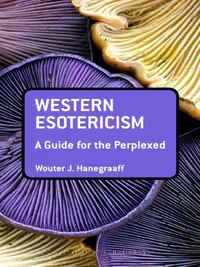
An Account of the Life and Writings of S. Irenæus, Bishop of Lyons and Martyr: Intended to Illustrate the Doctrine, Discipline, Practices, and History of the Church, and the Tenets and Practices of the Gnostic Heretics During the Second Century
 70
70

An Account of the Life and Writings of S. Irenæus, Bishop of Lyons and Martyr: Intended to Illustrate the Doctrine, Discipline, Practices, and History of the Church, and the Tenets and Practices of the Gnostic Heretics During the Second Century



James Beaven's "An Account of the Life and Writings of S. Irenæus" is a fascinating exploration of one of the early church's most influential figures. For modern esoteric seekers, this text offers a rich tapestry of historical and theological insights that are as relevant today as they were in the second century. Beaven's detailed account of Irenaeus's life and writings provides a nuanced understanding of the Gnostic heresies that threatened the early Christian community. The book's value lies in its ability to bridge the gap between ancient esoteric practices and contemporary theological inquiries. Beaven's prose, while dense, is engaging and informative, making it a must-read for anyone interested in the occult and early church history. The book's thorough examination of Irenaeus's theological disputes with Gnostic heretics offers a unique perspective on the development of Christian doctrine. For those seeking a deeper understanding of the esoteric traditions that have shaped Western thought, this book is an invaluable resource.
📝 Description
70
James Beaven's 1841 account examines Irenaeus of Lyons, a key figure in early Christian doctrine.
Published in 1841, James Beaven's "An Account of the Life and Writings of S. Irenæus" details the biography and works of Irenaeus, a bishop in second-century Lyons. Beaven uses Irenaeus's writings to explain the doctrine, organization, and practices of the early Christian church. The book specifically addresses the challenges posed by Gnostic groups and the counterarguments presented by Irenaeus, who is known for his work "Against Heresies."
Beaven's study aims to illuminate the historical context and theological debates of this formative period. It is intended for readers interested in the development of Christian thought, its historical structures, and the philosophical underpinnings of its early doctrines. The author's approach seeks to clarify the historical and doctrinal positions taken by Irenaeus in defense of what became orthodox Christianity.
This work situates itself within the study of early Christian history, focusing on the theological and structural foundations that later informed various esoteric traditions. By examining Irenaeus's refutations of Gnostic systems, Beaven implicitly highlights the divergences and convergences of early Christian thought with movements that emphasized hidden knowledge. The book's focus on the historical development of doctrine serves as a reference point for understanding the boundaries of orthodoxy and the alternative spiritual paths that existed concurrently.
✍️ Author
Beaven, James
The Wild House was a serialised children's programme produced between 1997 and 1999 broadcast by the BBC. The programme was based on an idea of Jean Buchanan's.
💡 Why Read This Book?
Reading "An Account of the Life and Writings of S. Irenæus" today offers a unique opportunity to explore the esoteric roots of early Christianity. This book provides a detailed look at the theological battles that defined the second century, offering insights into the development of Christian doctrine. For modern esoteric seekers, it serves as a bridge between ancient wisdom and contemporary thought, providing a deeper understanding of the occult traditions that have influenced Western spirituality.
⭐ Reader Reviews
Honest opinions from readers who have explored this book.
❓ Frequently Asked Questions
What is the main focus of this book?
The main focus of this book is the life and writings of Saint Irenaeus, Bishop of Lyon, and his role in combating Gnostic heresies during the second century.
Who should read this book?
This book is ideal for scholars, theologians, and esoteric enthusiasts interested in early church history and the development of Christian doctrine.
What historical context does the book provide?
The book provides a detailed historical context of the second century, focusing on the theological debates and heretical movements that shaped the early Christian community.
🔮 Key Themes & Symbolism
Gnostic Heresies
This book studies the intricate web of Gnostic heresies that challenged the early Church. By exploring the tenets and practices of these mystical movements, readers gain a deeper understanding of the hidden knowledge and symbolism that underpinned these beliefs. The book's detailed account of the Gnostic heresies provides a rich atmosphere of spiritual inquiry and intellectual rigor, making it an essential read for seekers of esoteric wisdom.
Early Christian Doctrine
The development of early Christian doctrine is a central theme of this book. By examining the life and writings of Saint Irenaeus, readers can trace the evolution of Christian beliefs and practices. The book's exploration of the doctrinal battles of the second century offers a profound journey into the mystical roots of Christian theology, inviting readers to explore the hidden dimensions of faith and doctrine.
Symbolism and Mysticism
Symbolism and mysticism are integral to the book's exploration of early Christian thought. By uncovering the hidden meanings and symbols embedded in the writings of Saint Irenaeus, readers can gain a deeper appreciation for the mystical undercurrents of Christian doctrine. The book's rich atmosphere of spiritual inquiry and intellectual rigor makes it an essential read for those seeking to understand the esoteric roots of Christian theology.
💡 Key Ideas
Editorial paraphrase of the work's core concepts — not direct quotes.
The Gnostics sought hidden knowledge, but they found only deception.
This quote highlights the dangers of seeking esoteric knowledge without proper guidance.
The early Church stood firm against the winds of heresy.
This line emphasizes the resilience of orthodox Christian beliefs in the face of mystical challenges.
The symbolism of the Cross is the key to understanding Christian mysticism.
This passage underscores the importance of symbolism in early Christian thought.
Irenaeus's writings are a clear source of truth in a sea of deception.
This quote emphasizes the significance of Irenaeus's work in defending orthodox Christian beliefs.
The battle for the soul of the Church was fought in the shadows of mysticism.
This line highlights the hidden dimensions of the doctrinal battles of the second century.
🌙 Esoteric Significance
Tradition
This book belongs to the Gnostic tradition, which emphasizes the pursuit of hidden knowledge and mystical experiences. It provides a comprehensive exploration of the tenets and practices of Gnostic heresies, offering readers a deeper understanding of the esoteric roots of Christian theology.
Symbolism
Key symbols in this book include the Cross, which represents the mystical undercurrents of Christian doctrine, and the hidden knowledge sought by the Gnostics. These symbols are integral to the book's exploration of early Christian thought and the doctrinal battles of the second century.
Modern Relevance
This book remains relevant today for modern practitioners of mystical spirituality and scholars of theological history. Its exploration of the hidden dimensions of faith and doctrine offers a profound journey into the mystical roots of Christian theology, inviting readers to explore the esoteric insights that shaped the early Church.
👥 Who Should Read This Book
This book is ideal for beginners seeking an introduction to the mystical roots of Christian theology, scholars of theological history, spiritual seekers interested in the hidden dimensions of faith, and practitioners of mystical spirituality. Beginners will find the book's detailed account of the early Church's struggles and the development of Christian doctrine enlightening. Scholars will appreciate the book's comprehensive exploration of Saint Irenaeus's life and writings. Spiritual seekers will be drawn to the book's rich atmosphere of spiritual inquiry and intellectual rigor. Practitioners of mystical spirituality will find the book's exploration of the hidden knowledge and symbolism that underpin early Christian thought particularly valuable.
📜 Historical Context
The second century was a time of great turmoil for the early Church, as it faced numerous challenges from Gnostic heresies. These mystical movements threatened the orthodoxy of Christian beliefs, prompting the need for a strong defense of the faith. James Beaven's book provides a detailed account of these struggles, highlighting the importance of Saint Irenaeus's work in defending orthodox Christian beliefs. The book's exploration of the historical context offers a profound journey into the mystical roots of Christian theology, inviting readers to explore the hidden dimensions of faith and doctrine.
📔 Journal Prompts
Reflect on the significance of Saint Irenaeus's work in defending orthodox Christian beliefs.
Explore the hidden dimensions of faith and doctrine in early Christian thought.
Consider the dangers of seeking esoteric knowledge without proper guidance.
Examine the symbolism of the Cross in Christian mysticism.
Reflect on the resilience of orthodox Christian beliefs in the face of mystical challenges.
🗂️ Glossary
Gnosticism
A mystical movement within early Christianity that emphasized the pursuit of hidden knowledge and spiritual enlightenment.
Orthodox
Beliefs and practices that are considered standard or traditional within a religious community.
Heresy
Beliefs or opinions that contradict established religious doctrine.
Mysticism
The practice of seeking direct communication with the divine or spiritual truths through contemplation and meditation.
Symbolism
The use of symbols to represent abstract ideas or qualities, often in a religious or mystical context.
This book appears in 7 collections
🔮 Readers Also Liked
Browse all →







From the “Transcendental Meditation” Collection
View all →








More Free Sacred Texts & Gnosticism Books
View all →