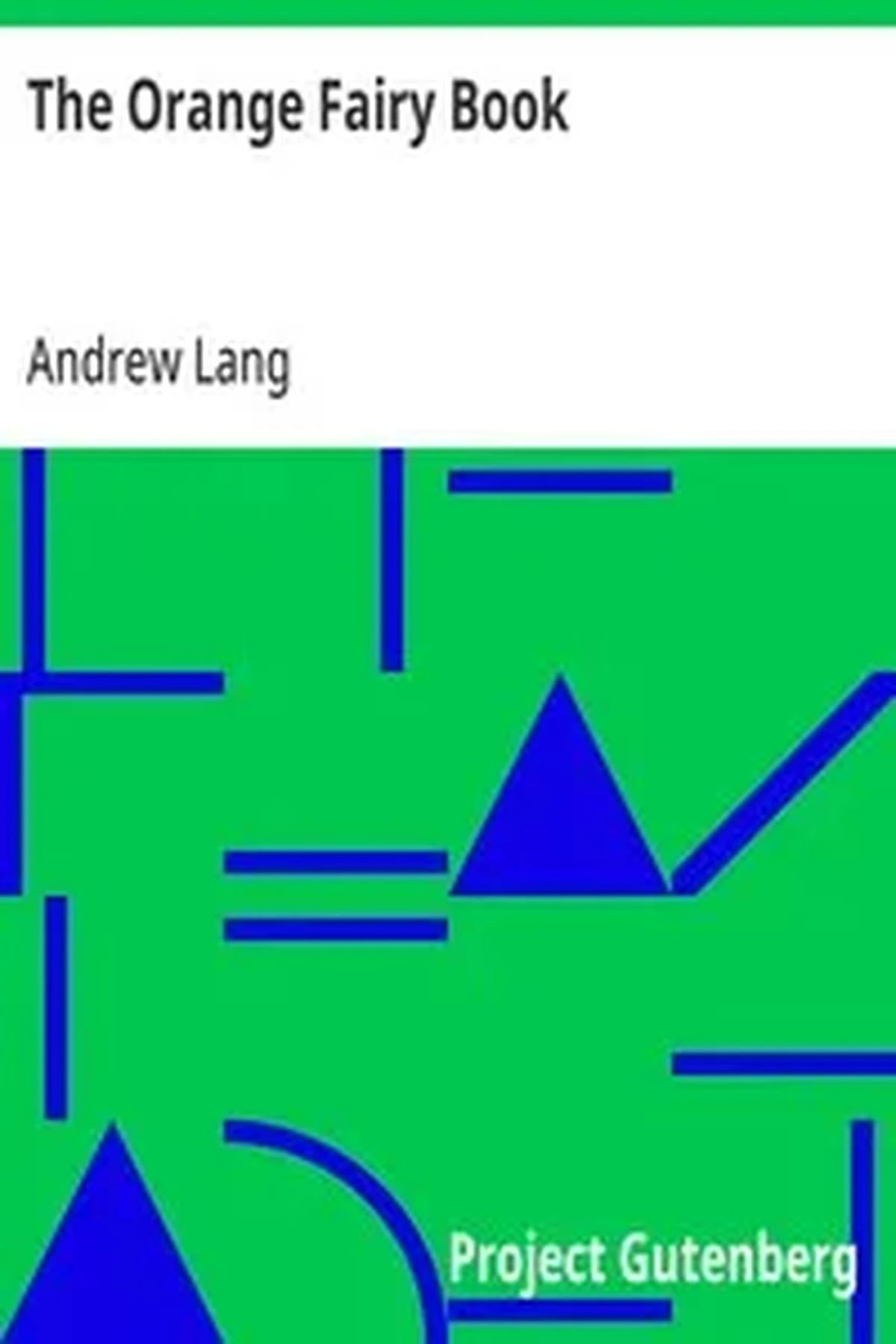
The Orange Fairy Book
 79
79

The Orange Fairy Book
Andrew Lang's "The Orange Fairy Book" presents a selection of tales that, while familiar in their archetypes, possess a distinct charm. The strength lies in Lang's careful curation and accessible retelling, bringing stories from various European traditions to a wider audience. The limitation, however, is the occasional lack of the raw, unvarnished quality found in some original folk versions; Lang's hand is evident in smoothing rough edges for a broader readership. A passage like the one detailing the trials of the youngest son in "The Story of the Youth Who Went Forth to Learn What Fear Was" exemplifies the collection's focus on perseverance through trials. Ultimately, this compilation offers a polished gateway into the world of fairy tales, prioritizing narrative flow over stark authenticity.
📝 Description
79
Andrew Lang published The Orange Fairy Book in 1908, continuing his color-themed fairy tale series.
The Orange Fairy Book collects 32 folk and fairy tales, compiled by Scottish folklorist Andrew Lang. This volume, part of his larger "Fairy Book" series, draws from international oral traditions. The stories present common motifs found across various cultures and historical periods. Themes like courage, betrayal, and transformation appear frequently, often featuring magical elements and moral lessons. The book emerged during a time of significant academic and public interest in folklore, alongside contemporaries like the Brothers Grimm and Joseph Jacobs.
Lang's work in this collection reflects a broad engagement with global storytelling. It includes narratives that explore the enduring power of myth and archetypal patterns. Readers will find tales that speak to universal human experiences through the lens of traditional fantasy. The compilation aims to preserve and share these narratives, contributing to the study of comparative mythology and children's literature.
Andrew Lang's "Fairy Book" series, including The Orange Fairy Book, taps into a tradition of collecting and disseminating folktales that hold deeper cultural and psychological resonance. These stories, drawn from diverse oral traditions, reflect archetypal patterns and universal themes that have been analyzed within comparative mythology and depth psychology. Lang's work was part of a broader turn towards understanding the foundational narratives that shape cultural understanding and the human psyche.
💡 Why Read This Book?
• Discover the narrative structure behind "The Story of the Youth Who Went Forth to Learn What Fear Was," a foundational exploration of confronting the unknown. • Understand the editorial choices Lang made when compiling tales for his 1908 "Fairy Book" series, revealing his approach to folklore. • Engage with the recurring motif of the youngest sibling's success, a common trope in tales such as "The Dragon of the North," offering insight into narrative patterns.
⭐ Reader Reviews
Honest opinions from readers who have explored this book.
❓ Frequently Asked Questions
When was The Orange Fairy Book first published?
The Orange Fairy Book was first published in 1908, as part of Andrew Lang's extensive series of fairy tale collections.
What types of stories are included in The Orange Fairy Book?
The book contains 32 folk and fairy tales drawn from various European traditions, featuring common archetypes and magical elements.
Who was Andrew Lang and why did he compile these books?
Andrew Lang was a Scottish folklorist and man of letters interested in collecting and popularizing traditional stories from around the world for a broad audience.
Is The Orange Fairy Book part of a larger collection?
Yes, it is one of fourteen books in Andrew Lang's "Fairy Book" series, each distinguished by a color in its title.
What is the esoteric significance of fairy tales like those in The Orange Fairy Book?
Fairy tales often contain symbolic narratives reflecting universal psychological patterns and ancient wisdom traditions, offering allegorical insights.
Are the stories in The Orange Fairy Book original to Andrew Lang?
No, Andrew Lang retold and compiled existing folk and fairy tales from various international sources; he did not invent the stories themselves.
🔮 Key Themes & Symbolism
The Hero's Journey
Many tales in The Orange Fairy Book follow the classic monomyth structure. Characters often begin in ordinary circumstances, face a call to adventure, cross a threshold into a magical world, encounter trials and allies, and return transformed. For example, "The Story of the Youth Who Went Forth to Learn What Fear Was" depicts a protagonist's quest to understand a primal human emotion, mirroring the internal journey of self-discovery inherent in many esoteric traditions.
Transformation and Metamorphosis
A recurring theme is the profound change characters undergo, often initiated by magical means or arduous tasks. This can be seen in stories where individuals are turned into animals, objects, or altered states of being, only to be restored through perseverance, love, or wisdom. Such transformations symbolize spiritual evolution and the overcoming of limitations, a concept central to alchemical and Gnostic thought.
The Power of the Underdog
The collection frequently highlights the success of the seemingly weakest or most overlooked character, often the youngest son or daughter, or a humble servant. Through wit, kindness, or courage, these protagonists overcome formidable obstacles and adversaries, including sorcerers, dragons, and jealous siblings. This narrative pattern underscores the potential for hidden strength and the inherent value of the unassuming.
The Role of Magic and the Supernatural
Magic permeates these narratives, manifesting as enchanted objects, benevolent or malevolent supernatural beings, and spells. These elements are not merely plot devices but represent forces beyond ordinary human comprehension, acting as catalysts for change and agents of justice or retribution. The presence of magic reflects an ancient worldview where the spiritual and material realms are deeply intertwined.
💬 Memorable Quotes
Direct passages from the work, attributed to the author.
“He learned what fear was.”
— This concise statement, often the culmination of a protagonist's trials, signifies a profound understanding gained not through abstract study but through direct, often harrowing, experience.
“The youngest son, who had never done much but was very kind, set out.”
— This highlights a central archetype where inherent goodness and potential, rather than established status or prior achievements, drive the hero's success.
“She was changed into a dove.”
— This represents a common motif of magical metamorphosis, symbolizing a descent into a different state of being or a temporary form of exile and potential redemption.
“He had to perform three impossible tasks.”
— This structure emphasizes the need for extraordinary effort and perseverance to overcome immense challenges, often requiring supernatural aid or inner fortitude.
“The wicked witch was defeated.”
— This signifies the eventual triumph of good over evil, a recurring moral resolution in folklore that reinforces ethical frameworks and offers hope.
🌙 Esoteric Significance
Tradition
The tales collected by Lang, including those in "The Orange Fairy Book," resonate with archetypal psychology and ancient wisdom traditions. While not explicitly esoteric texts, their recurring motifs of transformation, hidden potential, and the confrontation with the shadow align with Hermetic principles of correspondence and the Gnostic pursuit of inner knowledge. They can be viewed as simplified allegories of the soul's journey through trials towards enlightenment.
Symbolism
Key symbols abound: the youngest son often represents the undeveloped potential or the 'divine spark' within; the enchanted forest or perilous journey symbolizes the descent into the unconscious or the trials of spiritual initiation; and magical objects (like rings or cloaks) represent hidden powers or faculties that aid the seeker on their path.
Modern Relevance
Contemporary thinkers in depth psychology, such as followers of Carl Jung's work on archetypes, continue to draw upon the universal patterns found in these fairy tales. Modern mythologists and storytellers also reference Lang's collections as foundational texts for understanding narrative structure and symbolic language, influencing fields from literary criticism to therapeutic approaches.
👥 Who Should Read This Book
• Students of comparative mythology and folklore seeking to understand the cross-cultural dissemination of narrative archetypes. • Readers interested in the psychological underpinnings of storytelling, particularly those drawn to Jungian analysis of symbols and myths. • Parents and educators looking for classic, ethically-grounded stories that explore universal themes of courage, kindness, and perseverance for younger audiences.
📜 Historical Context
Andrew Lang's "The Orange Fairy Book," published in 1908, emerged during a flourishing period for folklore studies and children's literature. The late 19th and early 20th centuries saw extensive collection and publication of traditional tales, influenced by the Brothers Grimm's earlier work and a growing academic interest in comparative mythology. Lang's series, initiated in 1908 with "The Crimson Fairy Book," was part of a broader cultural fascination with myth and legend. While figures like Joseph Jacobs were also actively publishing British folk tales, Lang's project aimed for a more international scope. This era also saw the rise of spiritualism and theosophy, which, while distinct, shared a cultural milieu with an increased interest in the symbolic and archetypal dimensions of ancient stories.
📔 Journal Prompts
The trials faced by the youth in "The Story of the Youth Who Went Forth to Learn What Fear Was."
The symbolism of transformation found in "The Swan Maiden."
The archetype of the youngest son's success in tales like "The Twelve Brothers."
The recurring motif of the helpful animal companion.
The resolution of conflict through wisdom rather than force.
🗂️ Glossary
Folklore
The traditional beliefs, customs, and stories of a community, passed through the generations by word of mouth.
Archetype
A recurring symbol, character type, or narrative pattern that appears across cultures and time, representing fundamental human experiences.
Monomyth
A narrative archetype, identified by Joseph Campbell, describing a common structure of heroic adventure found in many myths and stories worldwide.
Metamorphosis
A profound change in form from one stage to the next in the life history of an organism, often used in folklore for magical transformations.
Oral Tradition
The passing down of cultural knowledge, stories, and history through spoken language and performance rather than written records.
Folk Tale
A story originating in popular culture, typically passed on by word of mouth and dealing with traditional beliefs, customs, and characters.
Symbolism
The use of symbols to represent ideas and qualities, by giving them symbolic meanings that are different from their literal sense.
🔮 Readers Also Liked
Browse all →








More by Andrew Lang
All books →


More Free Occult Philosophy Books
View all →