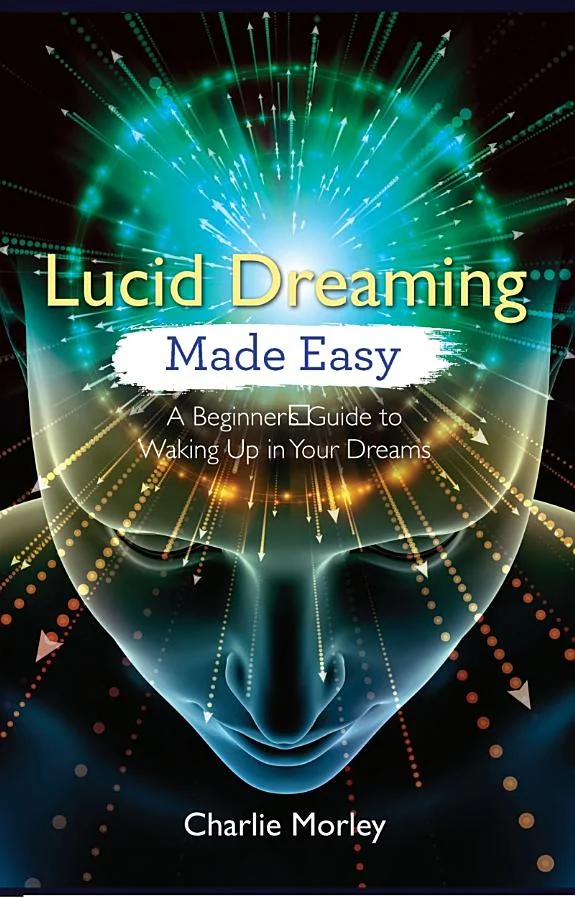
Lucid Dreaming Made Easy
 84
84

Lucid Dreaming Made Easy
Charlie Morley's "Lucid Dreaming Made Easy" offers a refreshingly direct approach to a practice often shrouded in mystique. Unlike many esoteric texts, Morley grounds his instruction in accessible language and actionable steps, a significant strength for newcomers. He adeptly bridges the gap between ancient meditative traditions and modern psychological understanding of dreams. For instance, his explanation of "dream yoga" as a practical tool for self-awareness, rather than a purely spiritual pursuit, is particularly well-articulated. A minor limitation might be that the sheer variety of techniques presented could feel slightly overwhelming for the absolute beginner, though the book's structure mitigates this. The section detailing the "lucid trigger" – the moment of realization within the dream – is exceptionally clear and provides a tangible goal. Morley's work is a valuable primer for anyone seeking to unlock the potential of their dream state.
📝 Description
84
Charlie Morley's 2014 book details how to achieve conscious awareness within dreams.
This guide explains lucid dreaming, the state of knowing you are dreaming while the dream continues. It allows for conscious interaction and influence over the dream environment. The book is for anyone interested in their dream lives, whether seeking self-exploration, personal growth, or a better understanding of their subconscious. It provides a structured method for developing this skill, suitable for beginners and those who have had brief lucid experiences.
Morley adapts 'Dream Yoga' practices from Tibetan Buddhism, viewing the dream state as a path to the subconscious. The book focuses on practical techniques for improving dream recall and identifying signs of being asleep within a dream. It aims to equip readers with methods to cultivate lucidity and engage actively with their dream worlds.
The practice of conscious dreaming has ancient origins, appearing in traditions like those of the Greeks and various shamanic cultures. While modern Western psychology began analyzing dreams in the 20th century, Morley's approach builds on Eastern meditative practices. His work connects lucid dreaming to spiritual development, drawing specifically from Tibetan Buddhist 'Dream Yoga' to frame the dream state as a significant area for inner exploration and practice.
💡 Why Read This Book?
• Gain practical techniques for achieving lucidity, directly informed by Charlie Morley's extensive training and adapted "Dream Yoga" practices, offering a structured path beyond mere theoretical understanding. • Learn to identify personal dream signs and develop a consistent dream recall habit, building on the foundational exercises presented in the early chapters of the book. • Explore the subconscious mind as a therapeutic space, utilizing lucid dreaming as a method for personal transformation, a concept detailed in the later sections focusing on healing and growth.
⭐ Reader Reviews
Honest opinions from readers who have explored this book.
❓ Frequently Asked Questions
What is the primary goal of lucid dreaming according to Charlie Morley?
The primary goal is to achieve conscious awareness within the dream state, transforming dreams into a space for self-exploration, personal growth, and healing, as detailed in the book's introduction.
Are there specific meditation techniques recommended for lucid dreaming?
Yes, the book incorporates adapted "Dream Yoga" techniques, drawing from Tibetan Buddhist traditions, to help cultivate the mindfulness necessary for recognizing the dream state.
How does this book differ from other lucid dreaming guides?
It bridges Eastern meditative practices with Western psychological concepts and offers practical, step-by-step guidance, distinguishing it from purely theoretical or anecdotal accounts.
Is lucid dreaming safe for beginners?
Morley presents lucid dreaming as a safe and beneficial practice, emphasizing its potential for self-discovery rather than any negative psychological effects, provided it's approached with intention.
When was 'Lucid Dreaming Made Easy' first published?
The book 'Lucid Dreaming Made Easy' by Charlie Morley was first published on September 25, 2018.
Can lucid dreaming help with nightmares?
Yes, the work explores how lucidity can transform nightmares by allowing the dreamer to confront and reframe frightening scenarios within the dream, turning a source of distress into an opportunity for healing.
🔮 Key Themes & Symbolism
Consciousness in Dreams
This theme centers on the core concept of lucid dreaming: the attainment of awareness within the dream state. Morley explains how this awareness can be cultivated through specific practices, turning the passive experience of dreaming into an active engagement with one's inner world. The book details methods for recognizing the dream state, differentiating it from waking reality, and maintaining lucidity to explore the subconscious.
Dream Yoga Adaptation
Morley adapts traditional Tibetan Buddhist 'Dream Yoga' practices for a contemporary audience. This theme explores how ancient meditative techniques can be applied to lucid dreaming for personal growth and spiritual insight. The focus is on transforming the dream state into a powerful tool for self-understanding and psychological healing, moving beyond mere entertainment.
Subconscious Exploration
The book positions lucid dreaming as a direct gateway to the subconscious mind. This theme delves into how conscious interaction within dreams can reveal hidden patterns, unresolved issues, and creative potential. Morley provides guidance on navigating this inner landscape to foster personal transformation, improve well-being, and gain deeper self-knowledge.
Practical Skill Development
A significant theme is the emphasis on practical, actionable techniques for achieving and maintaining lucidity. This includes improving dream recall, recognizing dream signs, and employing specific mental exercises. The book aims to demystify the process, making lucid dreaming accessible through structured methods and consistent practice.
💬 Memorable Quotes
“Lucid dreaming is a powerful gateway into the subconscious mind.”
— This statement encapsulates the book's central premise: that conscious awareness within dreams offers an unparalleled opportunity to access and understand the deeper aspects of one's psyche.
“The art of becoming conscious within your dreams.”
— This concise definition highlights the active and skillful nature of lucid dreaming, emphasizing it as a learned ability rather than a passive phenomenon.
“Transform, improve, and heal.”
— This phrase points to the therapeutic and developmental potential of lucid dreaming, suggesting that the practice can lead to significant positive changes in an individual's life.
“Trained with both Eastern and Western experts.”
— This highlights Morley's unique position, drawing from diverse traditions to synthesize a comprehensive approach to lucid dreaming.
“An accessible introduction to the theory, practice, and innovative techniques.”
— This describes the book's scope, promising a balanced overview that covers the foundational knowledge, practical application, and novel methods of lucid dreaming.
🌙 Esoteric Significance
Tradition
Morley's work draws heavily from the contemplative practices of Tibetan Buddhism, particularly its traditions of Dream Yoga. It adapts these ancient techniques, traditionally aimed at spiritual liberation and the realization of non-duality, into a more accessible framework for modern psychological exploration and personal transformation. While rooted in a specific lineage, the book reframes these practices in a way that resonates with broader interests in consciousness and self-discovery, extending their application beyond monastic settings.
Symbolism
Within the context of lucid dreaming, the dreamscape itself becomes a symbolic realm. Morley's approach encourages the dreamer to interpret dream imagery not just as random occurrences but as manifestations of the subconscious mind. Specific symbols encountered in dreams, such as recurring figures, challenging environments, or archetypal characters, are presented as potential keys to understanding one's inner state, fears, and desires, aligning with Jungian principles of symbolic interpretation.
Modern Relevance
The principles and techniques outlined by Charlie Morley are highly relevant to contemporary fields like transpersonal psychology, mindfulness-based therapies, and consciousness research. Thinkers and practitioners exploring the therapeutic potential of altered states, dream analysis, and embodied cognition find value in his integrated approach. His work informs modern explorations into non-ordinary states of consciousness and their application in personal development and mental well-being, resonating with a growing interest in experiential psychology.
👥 Who Should Read This Book
• Individuals new to lucid dreaming seeking a clear, practical guide to understanding and practicing conscious dreaming. • Practitioners of meditation and mindfulness interested in applying these skills to deepen their dream awareness and explore their subconscious. • Those interested in personal development and self-exploration who view dreams as a valuable resource for insight and transformation.
📜 Historical Context
Published in 2018, Charlie Morley's "Lucid Dreaming Made Easy" emerged during a period of renewed popular and academic interest in consciousness studies and altered states of awareness. While the concept of lucid dreaming has ancient roots, notably in Tibetan Buddhism's Dream Yoga traditions, its popularization in the West gained momentum in the late 20th century, influenced by researchers like Stephen LaBerge. Morley's work builds upon this foundation, integrating modern psychological perspectives with established meditative disciplines. It appeared in an era where mindfulness and self-help practices were increasingly mainstream, offering a bridge between esoteric traditions and secular wellness. Contemporary authors like Robert Waggoner were also exploring the practical applications of lucid dreaming, contributing to a growing discourse that Morley's book actively participates in. The book's accessible approach contrasts with some earlier, more specialized or purely academic texts, positioning it as a guide for a broader audience seeking personal development.
📔 Journal Prompts
Reflect on the concept of the dream state as a 'gateway into the subconscious mind'.
Consider the 'Dream Yoga' adaptations presented and how they might apply to your waking mindfulness.
Identify potential 'dream signs' that could alert you to lucidity based on your personal dream patterns.
Explore how maintaining 'lucidity' within a challenging dream scenario could foster personal growth.
Analyze the initial steps for improving 'dream recall' and plan their consistent implementation.
🗂️ Glossary
Lucid Dreaming
The state of being aware that one is dreaming while the dream is occurring, allowing for potential conscious interaction with the dream environment.
Dream Yoga
A set of advanced Tibetan Buddhist meditative practices aimed at achieving clarity and lucidity within the dream state for spiritual insight and transformation.
Subconscious Mind
The part of the mind of which we are not fully aware but which influences our actions and feelings; explored through dream states in this context.
Dream Recall
The ability to remember dreams upon waking. The book provides techniques to enhance this crucial skill for lucid dreaming.
Dream Signs
Recurring or unusual elements within a dream that can serve as triggers for recognizing the dream state and achieving lucidity.
Waking Mindfulness
The practice of maintaining present-moment awareness during waking hours, which is foundational for cultivating lucidity in dreams.
Transformation
The process of significant change or alteration, often referring to personal growth and psychological development facilitated by exploring the dream state.