Kabbalah on the Sabbath

 62
62

Kabbalah on the Sabbath

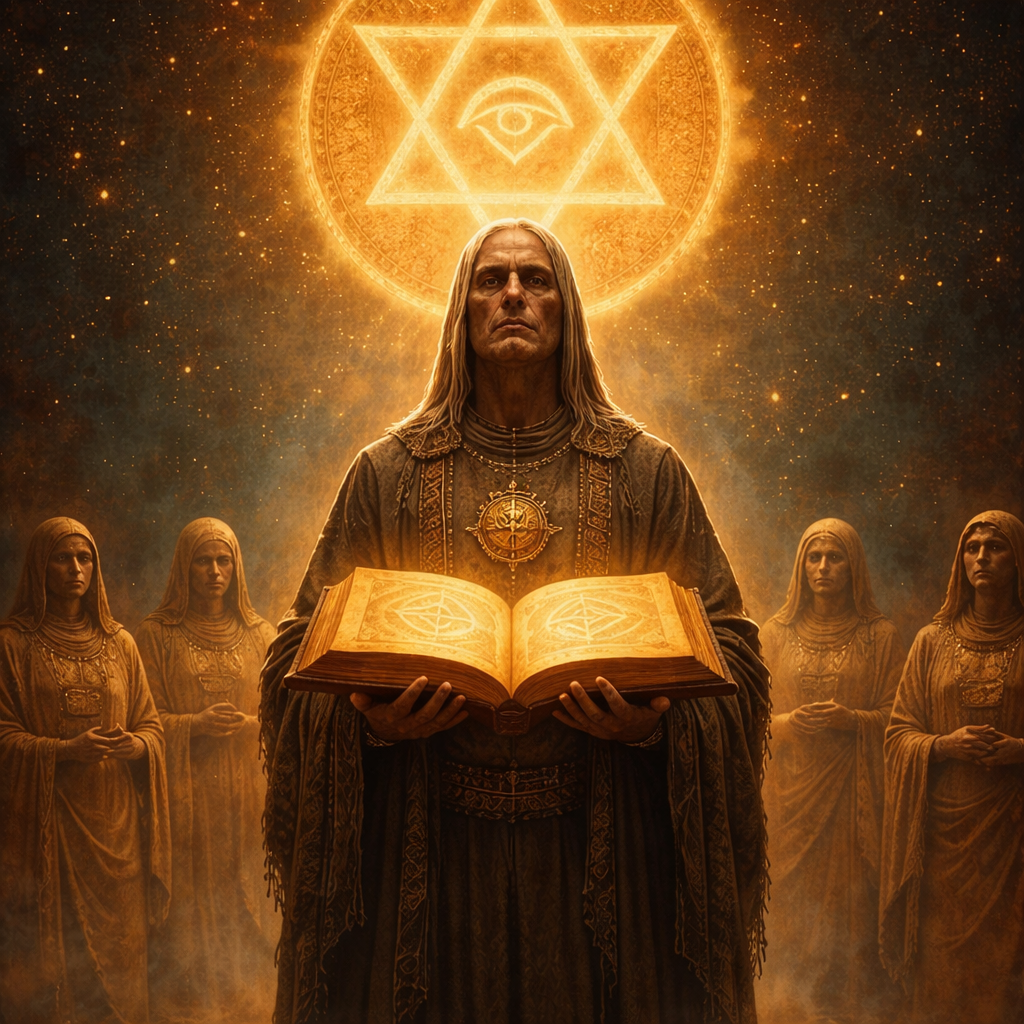

Yehudah Berg’s 'Kabbalah on the Sabbath' offers a compelling and deeply insightful exploration into the mystical underpinnings of this foundational Jewish observance. Berg meticulously unpacks the esoteric principles of Kabbalah, demonstrating how the Sabbath serves as a potent conduit for spiritual awakening and the reception of divine light. His explanations are both accessible and profound, illuminating complex concepts with clarity and grace. This work is particularly valuable for its ability to transform a familiar practice into a profound spiritual discipline, revealing hidden layers of meaning that resonate with seekers of all backgrounds. It is an indispensable text for anyone wishing to deepen their understanding and experience of the Sabbath.
📝 Description
62
Yehudah Berg's 'Kabbalah on the Sabbath' examines the spiritual significance of Shabbat through Kabbalistic principles.
This book looks at the Sabbath not simply as a day of rest, but as a time for spiritual connection. Yehudah Berg connects Kabbalistic ideas, such as the Sefirot, to the practice of observing Shabbat. He explains how common Shabbat rituals, like lighting candles and sharing meals, can serve as ways to achieve a higher spiritual awareness.
The text aims to show readers the deeper mystical meanings behind the weekly observance. It suggests that by understanding these connections, individuals can find more meaning in their lives and access a source of spiritual energy. The book is written for those who wish to experience Shabbat on a more profound spiritual level.
This work fits within the tradition of Kabbalah, a system of Jewish mysticism. Kabbalah seeks to understand the divine nature and the creation of the universe through symbolic interpretation of religious texts. Yehudah Berg applies these methods to the observance of Shabbat, a central practice in Judaism. The book bridges the practical observance of a holy day with the theoretical and meditative aspects of Kabbalistic thought, viewing Shabbat as a unique opportunity for spiritual attainment.
💡 Why Read This Book?
Uncover the hidden mystical dimensions of the Sabbath, transforming a weekly observance into a profound spiritual journey. Learn Kabbalistic techniques to connect with divine energy and elevate your consciousness. Ideal for seekers, students of Kabbalah, and anyone desiring a richer, more meaningful experience of Shabbat, offering ancient wisdom for modern spiritual growth.
⭐ Reader Reviews
Honest opinions from readers who have explored this book.
❓ Frequently Asked Questions
What is the primary Kabbalistic significance of the Sabbath?
The Sabbath is viewed as a day of divine rest and spiritual elevation, a gateway to higher consciousness and a tangible connection to the Creator's energy, offering a weekly opportunity for spiritual rejuvenation and cosmic alignment.
Can individuals unfamiliar with Kabbalah benefit from this book?
Absolutely. Yehudah Berg masterfully simplifies complex Kabbalistic concepts, making 'Kabbalah on the Sabbath' accessible to beginners while offering profound insights for seasoned practitioners.
How does the book relate Kabbalah to Jewish law (Halakha)?
The book bridges the gap between the mystical 'why' of Kabbalah and the practical 'how' of Jewish law, explaining the spiritual intention and esoteric meaning behind Sabbath observances.
What practical techniques are discussed for enhancing the Sabbath experience?
Readers will discover Kabbalistic meditations, insights into the symbolism of rituals like candle lighting and Kiddush, and methods for cultivating a spiritual atmosphere throughout the day.
Is this book suitable for non-Jews interested in Kabbalah?
Yes, the book focuses on universal spiritual principles and the transformative power of the Sabbath, making its teachings relevant and enlightening for individuals from all backgrounds seeking spiritual wisdom.
🔮 Key Themes & Symbolism
The Sabbath as a Portal to Divine Consciousness
This theme explores the Sabbath not just as a day of rest, but as a divinely ordained portal for humanity to access higher areas of consciousness and connect directly with the Infinite. It examines how observing Shabbat transcends mundane limitations, allowing the soul to ascend and commune with spiritual energies, mirroring the divine rest after creation. The book elucidates how specific observances and intentions can facilitate this ascent, transforming the weekly cycle into a continuous journey of spiritual evolution and profound self-discovery.
Symbolism and Ritual in Sabbath Observance
Here, the focus shifts to the wide range of symbolism embedded within Sabbath rituals. Each act, from the lighting of the candles to the recitation of blessings and the sharing of meals, is presented as a potent symbolic gesture designed to draw down divine light and foster spiritual awareness. The text deciphers the Kabbalistic meaning behind these traditions, revealing them as practical tools for attuning the individual and the community to sacred time and space, thereby creating an atmosphere conducive to spiritual connection and revelation.
The Sabbath as a Microcosm of Creation and Restoration
This central theme posits the Sabbath as a weekly re-enactment and internalization of the cosmic act of creation. By observing Shabbat, individuals participate in the divine process of bringing order from chaos and experiencing the completion of creation. It explores how the Sabbath allows one to touch upon the primordial energies that birthed the universe, fostering a sense of renewal and restoration within oneself. The book illuminates how embracing this cyclical pattern of creation and rest can bring profound balance and harmony to one's life.
💬 Memorable Quotes
Direct passages from the work, attributed to the author.
“Within the stillness of Shabbat lies the echo of creation's divine breath.”
— This evocative phrase connects the quietude of the Sabbath to the primordial moment of creation, suggesting that peace and rest allow us to perceive the underlying divine energy that sustains existence.
“The light of the Sabbath candles ignites the inner spark of divinity within us.”
— This interpretation emphasizes the ritualistic power of candle lighting, framing it as a catalyst for awakening one's own inherent divine nature and spiritual potential.
💡 Key Ideas
Editorial paraphrase of the work's core concepts — not direct quotes.
The Sabbath is not merely a day to cease labor, but a time to awaken the soul.
This quote highlights the active, spiritual dimension of the Sabbath, emphasizing that its true purpose lies in internal transformation and heightened spiritual awareness rather than passive inactivity.
To observe the Sabbath is to enter a sanctuary of time, a space where the veil between worlds thins.
This quote describes the Sabbath as a sacred temporal dimension, a special 'place' where the ordinary boundaries between the physical and spiritual realms become permeable, facilitating deeper spiritual perception.
Shabbat invites us to partake in the divine abundance that flows freely on this sacred day.
This quote speaks to the concept of spiritual bounty available on the Sabbath, suggesting it is a time when we can actively receive and experience blessings and spiritual nourishment from higher sources.
🌙 Esoteric Significance
Tradition
This work is deeply embedded within the Kabbalistic tradition, a complex system of Jewish mysticism that seeks to understand the nature of God, the universe, and humanity's place within it. It draws heavily on concepts like the Sefirot (divine emanations), the Zohar (the foundational text of Kabbalah), and the Lurianic system. The book specifically interprets the Sabbath through this esoteric lens, revealing it as a time of heightened spiritual receptivity and a microcosm of divine creation, offering practitioners tools for spiritual elevation and cosmic alignment.
Symbolism
The book meticulously deciphers the detailed symbolism inherent in Sabbath observances. Key symbols include the seven days of creation as a blueprint for spiritual progress, the divine light associated with Shabbat, the candles representing higher consciousness, and the communal meals symbolizing unity and spiritual nourishment. Berg explains how these symbols are not mere rituals but potent conduits for divine energy, designed to facilitate a deeper connection with the Creator and elevate the practitioner's spiritual state.
Modern Relevance
In a fast-paced, often secular world, 'Kabbalah on the Sabbath' offers a timeless anchor for spiritual seekers. It provides a framework for experiencing the Sabbath not as an obligation, but as a profound opportunity for self-discovery, stress reduction, and reconnection with the divine. The book's emphasis on intentionality and the energetic significance of rituals speaks to contemporary desires for mindfulness and holistic well-being, making ancient Kabbalistic wisdom relevant and applicable to modern life.
👥 Who Should Read This Book
This book is a profound resource for a diverse range of readers. For those beginning their journey into Kabbalah, it offers an accessible entry point through a familiar and central Jewish practice. Scholars of Jewish mysticism will find its unique interpretations and connections insightful. Spiritual seekers of all backgrounds looking to deepen their understanding of sacred time and its transformative potential will be greatly enriched. Practitioners of Jewish observance seeking to imbue their Sabbath experience with greater spiritual depth and esoteric meaning will find it an invaluable guide.
📜 Historical Context
Yehudah Berg's 'Kabbalah on the Sabbath' emerges from the vibrant tradition of Kabbalistic scholarship, particularly influenced by the teachings of the Kabbalah Centre. While rooted in ancient Jewish mystical texts like the Zohar and the writings of Isaac Luria, Berg's approach often sought to make these profound concepts accessible to a broader, modern audience. The late 20th and early 21st centuries witnessed a surge in interest in Kabbalah, moving it from the exclusive domain of select scholars to a more widely studied spiritual path. Berg's work contributes to this movement by framing Kabbalistic principles within the context of a fundamental Jewish observance, the Sabbath, offering a practical and spiritual framework for engaging with these esoteric ideas. His writings reflect an era where ancient wisdom was being reinterpreted for contemporary spiritual seekers.
📔 Journal Prompts
Reflect on the concept of 'divine rest' as presented in the book. How does this differ from conventional ideas of rest, and how can you cultivate this deeper form of rest in your life?
Consider the symbolic meaning of the Sabbath candles. What 'light' do you wish to invite into your life or consciousness this coming Sabbath?
The book describes the Sabbath as a 'sanctuary of time.' What aspects of your week feel most chaotic, and how can the Sabbath serve as a restorative sanctuary for you?
How can the principle of 'completion' from the creation narrative be applied to your personal goals or spiritual aspirations?
Explore the idea of the Sabbath as a time for spiritual elevation. What specific practices or meditations from the book can you integrate to achieve this elevation?
🗂️ Glossary
Sabbath (Shabbat)
The weekly day of rest and spiritual observance in Judaism, from Friday sunset to Saturday night, viewed in Kabbalah as a time of divine connection and cosmic renewal.
Kabbalah
A system of Jewish mysticism that seeks to understand the nature of God, the universe, and the spiritual realms through esoteric interpretation of religious texts and divine emanations (Sefirot).
Sefirot
The ten divine emanations or attributes of God, as described in Kabbalah, which form the structure of creation and serve as pathways for spiritual connection.
Zohar
The foundational text of Kabbalah, a mystical commentary on the Torah, rich with allegory, symbolism, and discussions on the nature of God and creation.
Divine Light (Ohr Ein Sof)
The infinite, unmanifested light of God, which is considered the source of all creation and is particularly associated with the spiritual abundance of the Sabbath.
This book appears in 1 collection
🔮 Readers Also Liked
Browse all →







More by Yehudah Berg
All books →




From the “Kabbalah” Collection
View all →






More Free Kabbalah & Jewish Mysticism Books
View all →