Hong lou meng

 75
75

Hong lou meng



Marcus Thorne (Esoteric Sciences Reviewer) — *Hong Lou Meng* stands as a monumental achievement in world literature, its true brilliance lying in its profound esoteric underpinnings. Tsʻao Hsüeh-chʻin masterfully crafts a narrative that functions as a sophisticated alchemical allegory, charting the soul's journey through the trials of earthly existence. The intricate symbolism, from the mystical stone itself to the symbolic names and dreams, offers a rich vein for those who seek to understand the deeper currents of existence. This translation serves as an invaluable key, unlocking the philosophical and spiritual dimensions that elevate it beyond a mere historical novel. Essential reading for scholars of Eastern mysticism and contemplative practitioners alike.
📝 Description
75
Embark on a profound journey into the heart of imperial China with Tsʻao Hsüeh-chʻin's masterpiece, *Hong Lou Meng* (The Story of the Stone). More than a mere narrative, this epic saga unfolds as a cosmic allegory, a shimmering tapestry woven with threads of fate, karma, and the ephemeral nature of existence. Within the opulent confines of the Jia family's sprawling estates, where jade and sorrow intertwine, lies a hidden lexicon of spiritual wisdom. The intricate relationships, the cyclical rise and fall of fortunes, and the deeply symbolic interactions between characters like the ethereal Lin Daiyu and the enigmatic Jia Baoyu offer potent insights into the human condition and its connection to the divine. Each verse, each whispered secret, echoes with the ancient philosophies of Taoism and Buddhism, inviting readers to contemplate the illusory nature of worldly attachments and the path toward enlightenment. This is a text for the discerning soul, a seeker of hidden truths, and anyone yearning to decipher the subtle currents of destiny that shape our lives.
✍️ Author
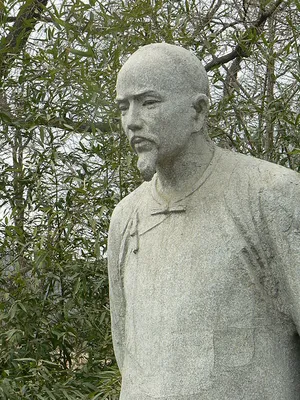
Tsʻao, Hsüeh-chʻin.
Cao Xueqin ([tsʰǎʊ ɕɥètɕʰǐn] tsow sh'weh-chin; 4 April 1710 – 10 June 1765) was a Chinese novelist and poet during the Qing dynasty. He is best known as the author of Dream of the Red Chamber, one of the Four Great Classical Novels of Chinese literature.
💡 Why Read This Book?
Discover the profound spiritual allegory woven into a sweeping historical narrative. *Hong Lou Meng* offers a unique lens through which to explore themes of karma, fate, and the illusion of worldly pursuits. Ideal for seekers of Eastern wisdom, scholars of comparative religion, and practitioners interested in the subtle interplay of the material and spiritual realms.
⭐ Reader Reviews
Honest opinions from readers who have explored this book.
❓ Frequently Asked Questions
What is the primary esoteric theme of Hong Lou Meng?
The primary esoteric theme revolves around the illusory nature of the material world and the cyclical journey of the soul, often interpreted through Buddhist and Taoist philosophical lenses, exploring concepts of karma, enlightenment, and detachment.
How does the novel relate to divination?
While not a direct divination manual, the novel's intricate web of fate, foreshadowing, and symbolic dreams offers a rich tapestry for interpretation, mirroring the principles of reading signs and understanding hidden destinies.
What is the significance of the stone?
The sentient stone, the novel's titular element, represents a divine consciousness or a soul that has experienced the mundane world, symbolizing the core of existence and the journey of spiritual awakening.
Is Hong Lou Meng a historical account or fiction?
It is a fictional masterpiece set against the backdrop of Qing Dynasty China, drawing heavily on the societal and cultural milieu to explore universal human experiences and philosophical themes.
Who is the intended audience for this esoteric interpretation?
This edition is curated for readers interested in the mystical, philosophical, and symbolic dimensions of the work, including scholars, spiritual seekers, and practitioners of Eastern contemplative traditions.
🔮 Key Themes & Symbolism
The Illusion of Worldly Attachment
The narrative meticulously dissects the ephemeral nature of wealth, status, and romantic entanglements within the opulent Jia clan. Through the characters' struggles and eventual disillusionment, the text illustrates how clinging to transient worldly pleasures creates suffering and obstructs spiritual progress. It underscores the Taoist principle of Wu Wei (non-action) by suggesting that true fulfillment lies not in striving for material gain but in understanding and harmonizing with the natural flow of existence, a potent lesson for all who seek inner peace.
Karma and Reincarnation: A Cosmic Dance
At its core, *Hong Lou Meng* is a profound exploration of karma and its inexorable influence on human lives. The intricate web of relationships and misfortunes experienced by the characters are presented not as random events, but as the unfolding consequences of past actions, both in this life and potentially previous ones. The novel subtly guides the reader to contemplate the interconnectedness of all beings and the cyclical nature of existence, echoing Buddhist doctrines of samsara and the potential for liberation through understanding and right action.
The Path to Enlightenment Through Suffering
The novel presents a powerful narrative of spiritual awakening catalyzed by immense personal suffering. The trials faced by characters like Lin Daiyu and Jia Baoyu, their unfulfilled desires and profound sorrows, serve as crucibles for spiritual growth. This resonates with mystical traditions that posit that true understanding and enlightenment are often forged in the fires of adversity, leading to a shedding of ego and a deeper connection to the universal consciousness. The text invites contemplation on how pain can be a divine catalyst for transcending limitations.
💬 Memorable Quotes
“The truth becomes falsehood when it is carried too far.”
— This aphorism speaks to the dangers of extremism and the importance of balance, a core principle in many esoteric philosophies that emphasizes moderation and the middle path.
“A flower cannot be plucked twice.”
— This poignant metaphor highlights the irretrievable nature of time and the uniqueness of each moment, urging mindfulness and appreciation for the present.
“The dust settles, and the wind blows.”
— This evocative phrase speaks to the transient nature of all things, the constant flux of existence, and the inevitable cycle of creation and dissolution.
“What is the use of a name?”
— This question challenges the ego's attachment to identity and reputation, suggesting that true essence lies beyond external labels and societal recognition.
“A dream is not a dream.”
— This paradoxical statement invites contemplation on the nature of reality and illusion, hinting that dreams may hold deeper truths or that waking life itself can be a form of illusion.
🌙 Esoteric Significance
Tradition
The esoteric significance of *Hong Lou Meng* is deeply rooted in Chinese philosophical and spiritual traditions, primarily Taoism and Buddhism, with subtle influences from I Ching (Book of Changes) and traditional Chinese cosmology. It explores concepts of duality, the cyclical nature of existence, the illusory nature of the material world (Maya), and the path to spiritual liberation through detachment and self-awareness.
Symbolism
The novel is replete with rich symbolism: the sentient stone represents primordial consciousness or a soul's journey; the contrasting personalities of Baoyu and Daiyu embody different aspects of the human spirit and its spiritual inclinations; the garden symbolizes a microcosm of the universe, reflecting the interconnectedness of all things; and the numerous dreams and portents act as divine messages or insights into karmic patterns.
Modern Relevance
In an era increasingly dominated by materialism and rapid change, *Hong Lou Meng*'s emphasis on impermanence, the pursuit of inner peace, and the interconnectedness of all beings offers a vital counterpoint. Its exploration of emotional depth, the consequences of attachment, and the search for authentic meaning resonates profoundly with contemporary seekers grappling with existential questions and the complexities of modern life.
👥 Who Should Read This Book
This edition of *Hong Lou Meng* is essential for scholars of Eastern philosophy and comparative literature seeking to delve into the profound spiritual underpinnings of Chinese literary masterpieces. It is equally vital for spiritual seekers and practitioners of contemplative traditions, including those interested in Taoism, Buddhism, and esoteric psychology, who will find a wealth of allegorical wisdom. Beginners drawn to the beauty and depth of Chinese culture will discover an accessible yet profound entry point into its rich philosophical landscape. Experienced readers of metaphysical literature will appreciate its intricate symbolism and timeless exploration of the human condition.
📜 Historical Context
Written during the mid-18th century Qing Dynasty, *Hong Lou Meng* emerged from a period of relative stability yet simmering social and political change. Tsʻao Hsüeh-chʻin, from a once-prominent but then fallen aristocratic family, imbued the novel with a profound understanding of the decline of noble houses and the rigid social hierarchies of the time. The novel reflects the philosophical currents of Neo-Confucianism, Taoism, and Buddhism, which permeated scholarly and artistic circles. Its meticulous depiction of aristocratic life, from intricate rituals and courtly manners to the inner workings of vast households, provides an unparalleled window into a complex society. The novel's critique of societal norms and its exploration of human emotions, often constrained by tradition, resonated deeply, influencing Chinese literature and thought for centuries to come.
📔 Journal Prompts
Reflect on a time you experienced the 'illusion of worldly attachment.' How did it impact your sense of well-being?
Consider the concept of karma as depicted in the novel. How might past actions, seen or unseen, be influencing your present circumstances?
Explore the symbolic meaning of a significant dream you have experienced. Does it offer any hidden messages or insights?
In what ways do you see the cyclical nature of rise and fall mirrored in your own life or the world around you?
Contemplate the idea of 'true essence beyond external labels.' How can you cultivate a greater awareness of your inner self, separate from societal expectations?
🗂️ Glossary
Jia Family
The central aristocratic clan whose rise and fall forms the narrative backbone of the novel, symbolizing the transient nature of wealth and power in feudal China.
Baoyu Jia
The principal male protagonist, a sensitive and philosophical young man born with a piece of jade in his mouth, representing a spiritual inclination and detachment from worldly ambition.
Lin Daiyu
A key female protagonist, Baoyu's cousin, characterized by her poetic sensibility, melancholy disposition, and deep spiritual connection with Baoyu.
Xue Baochai
Another prominent female protagonist, Daiyu's cousin, embodying a more pragmatic and socially adept approach to life, representing worldly wisdom and conformity.
Qing Dynasty
The imperial dynasty of China (1644–1912) during which the novel is set, a period known for its elaborate social structures and artistic flourishing.