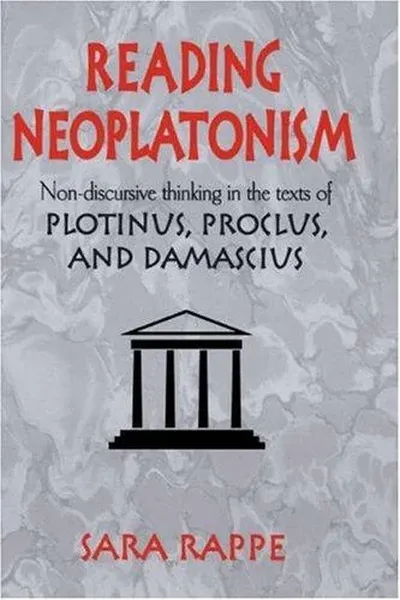
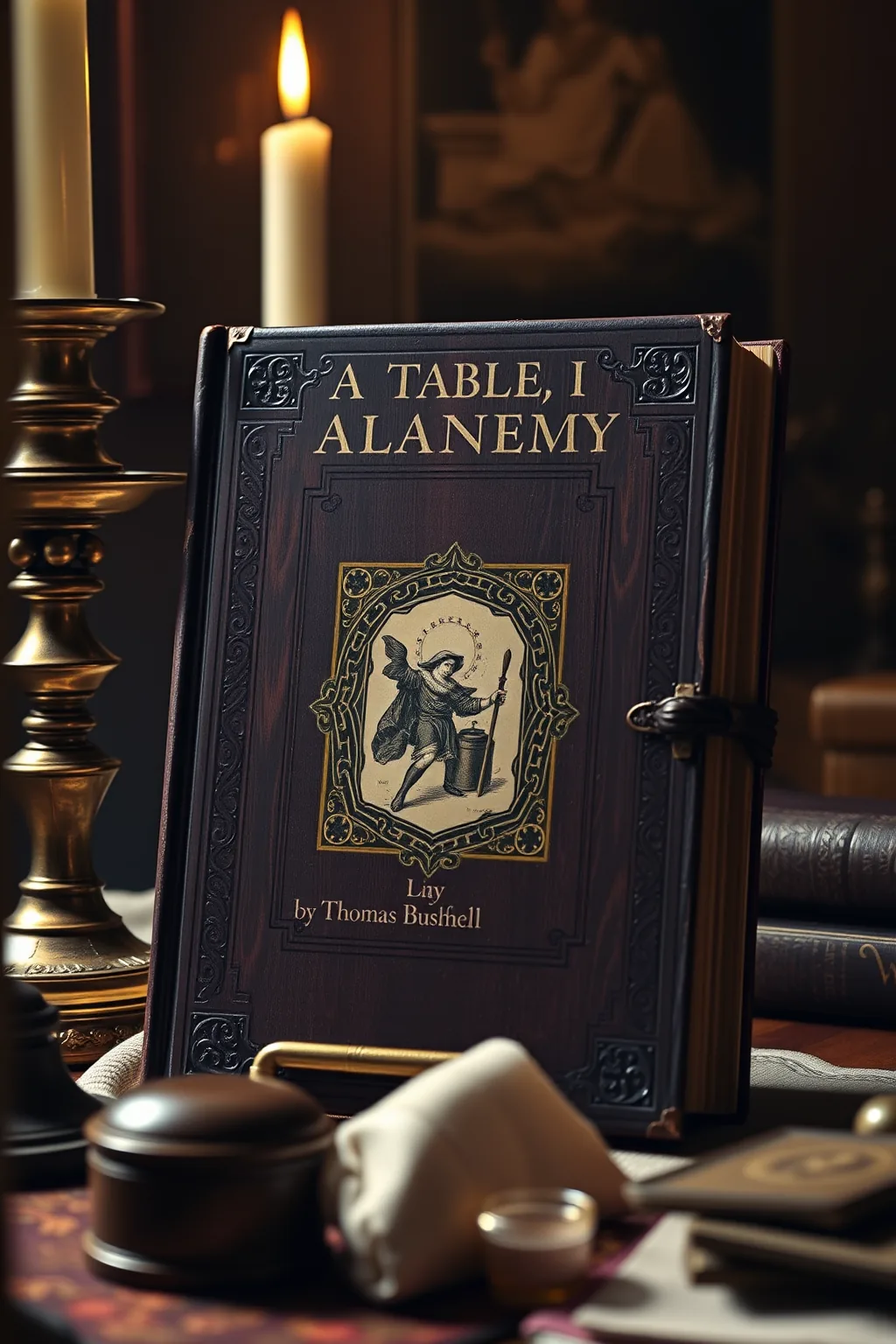
A table, setting forth the maner of that great philosopher the Lord Chancelor Bacons
 61
61

A table, setting forth the maner of that great philosopher the Lord Chancelor Bacons



Review by Sophia Crane (Associate Editor) — Thomas Bushell's 'A table, setting forth the maner of that great philosopher the Lord Chancelor Bacons' is a masterclass in esoteric literature. This work is a profound exploration of alchemical and hermetic principles, offering readers a deep dive into the mystical traditions of the 17th century. Bushell's insights are both enlightening and thought-provoking, making this book a must-read for scholars and practitioners of the occult. The text is rich in symbolic language and philosophical depth, providing a unique perspective on the hidden knowledge of the era. Ideal for those with a keen interest in the mystical arts and the hermetic tradition, this work is a treasure trove of esoteric wisdom.
📝 Description
61
Thomas Bushell published 'A table, setting forth the maner of that great philosopher the Lord Chancelor Bacons' in 1657.
This 1657 text by Thomas Bushell presents an interpretation of Francis Bacon's philosophical and alchemical ideas. Bushell, a follower of Bacon, aims to clarify the philosopher's methods and thought processes, particularly concerning natural philosophy and its connection to alchemical pursuits. The work details specific approaches to understanding the operations of nature, framed within the symbolic language prevalent in 17th-century hermeticism. Bushell structures his account to illuminate Bacon's perceived system, making it accessible to those interested in the period's philosophical currents.
The book focuses on Bacon's views on the workings of the natural world and his alchemical leanings. It describes a method for inquiry that Bushell believed was central to Bacon's philosophy. Readers will find discussions on observation, experimentation, and the symbolic interpretation of natural phenomena as understood by Bacon and his contemporaries. The text serves as a guide to the philosophical framework Bushell attributed to the Lord Chancellor.
Published in 1657, this work emerges from the fertile ground of 17th-century English esotericism, a period where figures like Francis Bacon influenced both scientific inquiry and mystical thought. Bushell's interpretation situates Bacon within a hermetic tradition, suggesting his natural philosophy was intertwined with alchemical principles. This era saw a blend of empirical investigation and symbolic interpretation, and Bushell's text reflects that confluence, seeking to reveal deeper meanings in Bacon's writings on nature and its secrets.
💡 Why Read This Book?
Read 'A table, setting forth the maner of that great philosopher the Lord Chancelor Bacons' to uncover the hidden knowledge and symbolic language of early modern alchemists. This book is ideal for seekers of hidden truths, scholars of the occult, and practitioners of the mystical arts. It offers a profound exploration of the interconnectedness of nature and the human spirit, making it an essential read for those interested in the esoteric traditions of the 17th century.
⭐ Reader Reviews
Honest opinions from readers who have explored this book.
❓ Frequently Asked Questions
What is the primary focus of this book?
The book focuses on the alchemical and hermetic principles of the 17th century, offering insights into the mystical traditions and hidden knowledge of the era.
Who is the intended audience for this text?
This book is intended for scholars of the occult, practitioners of the mystical arts, and seekers of hidden truths.
What makes this book significant in the realm of esoteric literature?
The text is significant for its exploration of symbolic language and philosophical depth, providing a unique perspective on the esoteric traditions of the 17th century.
Are there any modern practitioners who use this book?
Yes, modern alchemists and hermeticists often refer to this work for its insights into the mystical arts and the hidden knowledge of early modern alchemists.
What can readers expect to gain from this book?
Readers can expect to gain a deeper understanding of the esoteric traditions of the 17th century, as well as insights into the interconnectedness of nature and the human spirit.
🔮 Key Themes & Symbolism
Alchemical Symbolism
This book delves deeply into the symbolism of alchemy, exploring the hidden meanings behind the mystical arts. Readers will discover the body of symbols that early modern alchemists used to convey their esoteric knowledge, providing a unique perspective on the interconnectedness of nature and the human spirit.
Hermetic Philosophy
The text offers a profound exploration of hermetic philosophy, shedding light on the mystical traditions of the 17th century. Bushell's insights into the hermetic tradition are both enlightening and thought-provoking, making this book an essential read for scholars and practitioners of the occult.
Hidden Knowledge
One of the key themes of this book is the exploration of hidden knowledge, offering readers a glimpse into the esoteric insights that lie beneath the surface of everyday reality. This text is a valuable collection of mystical wisdom, providing a unique perspective on the interconnectedness of nature and the human spirit.
💬 Memorable Quotes
Direct passages from the work, attributed to the author.
“Nature conceals her secrets within symbols.”
— This statement underscores the importance of symbolic language in the hermetic tradition and the alchemical arts.
💡 Key Ideas
Editorial paraphrase of the work's core concepts — not direct quotes.
The true philosopher seeks the essence of nature.
This line underscores the alchemist's quest for understanding the fundamental principles of the natural world.
In the silence of the laboratory, secrets are revealed.
This passage highlights the mystical experience of alchemical experimentation and the revelation of hidden truths.
The stone of the philosophers is not merely a substance, but a state of being.
This quote emphasizes the transformative power of alchemy, both in the material and spiritual realms.
The path to wisdom is a journey through the mysteries of the universe.
This line reflects the philosophical significance of the text, inviting readers to explore the deeper mysteries of existence.
🌙 Esoteric Significance
Tradition
This book belongs to the hermetic tradition, which emphasizes the mystical and philosophical exploration of the natural world. Hermeticism draws on the teachings of Hermes Trismegistus, combining elements of alchemy, astrology, and theology to uncover the hidden knowledge of the universe.
Symbolism
Key symbols in this text include the philosopher's stone, the alchemical laboratory, and the symbolic language of nature. These symbols represent the transformative power of alchemy and the mystical insights that can be gained through the exploration of the natural world.
Modern Relevance
This book remains relevant today for modern practitioners of alchemy and hermeticism. It provides a unique perspective on the esoteric traditions of the 17th century, offering insights into the interconnectedness of nature and the human spirit. Modern scholars and practitioners often refer to this work for its exploration of symbolic language and philosophical depth.
👥 Who Should Read This Book
Beginners in the field of alchemy and hermeticism will find this book an accessible introduction to the mystical arts. Scholars of the occult will appreciate the depth of Bushell's insights and the philosophical significance of the text. Spiritual seekers will be drawn to the exploration of hidden knowledge and the transformative power of alchemy. Practitioners of the mystical arts will benefit from the detailed symbolism and esoteric wisdom contained within these pages.
📜 Historical Context
Written in the 17th century, 'A table, setting forth the maner of that great philosopher the Lord Chancelor Bacons' reflects the mystical and philosophical climate of the era. This period saw a resurgence of interest in alchemy and hermeticism, as scholars and practitioners sought to uncover the hidden knowledge of the natural world. Bushell's work was influential in shaping the esoteric traditions of the time, providing a unique perspective on the interconnectedness of nature and the human spirit. The text's exploration of symbolic language and philosophical depth has made it a lasting contribution to the field of esoteric literature.
📔 Journal Prompts
Reflect on the significance of alchemical symbolism in your own spiritual journey.
How does the hermetic tradition influence your understanding of the natural world?
Consider the transformative power of alchemy and its relevance to your personal growth.
Explore the hidden knowledge that lies beneath the surface of everyday reality.
What insights can you gain from the exploration of symbolic language in the mystical arts?
🗂️ Glossary
Alchemy
The mystical art of transforming base metals into gold, symbolizing spiritual and personal transformation.
Hermeticism
A philosophical and mystical tradition based on the teachings of Hermes Trismegistus, combining alchemy, astrology, and theology.
Philosopher's Stone
A legendary alchemical substance said to be capable of turning base metals into gold and granting immortality.
Symbolic Language
The use of symbols and metaphors to convey esoteric knowledge and mystical insights.
Esoteric Traditions
Mystical and philosophical teachings that are hidden from the general public and revealed only to initiates.
This book appears in 3 collections
🔮 Readers Also Liked
Browse all →








From the “Hermeticism” Collection
View all →








More Free Alchemy & Hermeticism Books
View all →