Frederic William Henry Myers
Frederic Myers was a poet, classicist, and co-founder of the Society for Psychical Research, known for his 'subliminal self' theory.
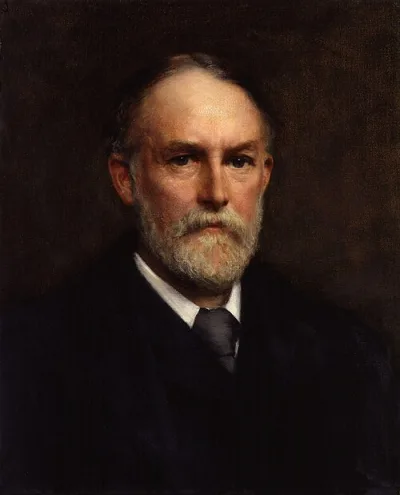
Frederic William Henry Myers (1843–1901) was a British poet, classical scholar, and philologist who became a prominent figure in the early days of psychical research. Alongside others, he co-founded the Society for Psychical Research (SPR) in 1883, aiming to investigate phenomena beyond conventional scientific understanding. Myers developed the influential concept of the "subliminal self," proposing a deeper, hidden layer of consciousness. While his ideas resonated with some contemporaries interested in the spiritual and the paranormal, they were largely not accepted by the mainstream scientific community.
Myers's life and work were marked by intellectual pursuits and personal complexities. He excelled academically, earning university prizes, though he faced an accusation of plagiarism early in his career. Beyond his academic and psychical research endeavors, he published poetry and literary criticism. His personal life involved relationships that have been subject to historical scrutiny and interpretation, particularly concerning his attraction to spiritualism and mediums. Despite facing criticism for the methodologies and conclusions of his research, Myers remained dedicated to exploring the potential for survival after death and the nature of consciousness.
Psychical Research and the Subliminal Self
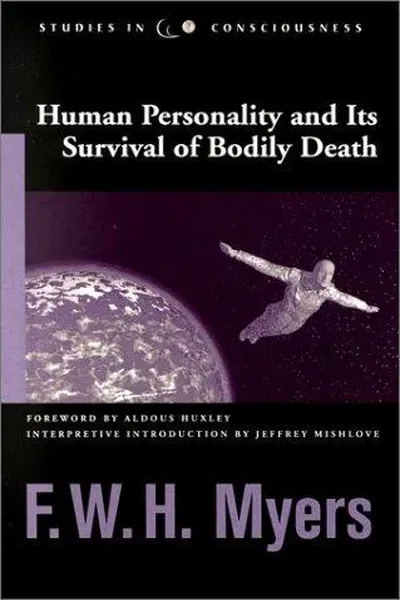
Frederic Myers was a driving force behind the Society for Psychical Research, co-founding it in 1883 and later serving as its president. His primary theoretical contribution was the concept of the "subliminal self," which posited a vast, untapped reservoir of consciousness beyond our ordinary awareness. Myers believed this hidden aspect of the mind held potential explanations for psychic phenomena and could offer evidence for the persistence of personality after death. While influential figures like William James and Théodore Flournoy were inspired by his work, mainstream psychology did not embrace his hypotheses. Some scholars suggest Myers's interest in psychical research stemmed from a personal search for meaning and reassurance against the finality of death, particularly after losing his Christian faith.
Investigating Mediums and Apparitions
Myers engaged with the controversial world of mediums and psychic phenomena, often holding a belief that genuine psychic abilities could exist alongside fraudulent practices. He, along with Edmund Gurney, endorsed figures like Douglas Blackburn and George Albert Smith, who later confessed to deception, calling their investigators "credulous spiritualists." Myers was also involved in investigating the mediumship of Eusapia Palladino, where phenomena observed in his home were attributed to trickery, though Myers maintained some genuine elements persisted. He co-authored "Phantasms of the Living" with Gurney and Frank Podmore, a significant work documenting alleged apparitional experiences, which aimed to build a case for telepathy. However, this work faced substantial criticism regarding its methodology, reliance on anecdotal evidence, and lack of contemporary corroboration, with critics pointing to potential natural explanations and outright fraud in the cases presented.
Literary and Academic Background
Before dedicating significant energy to psychical research, Frederic Myers established himself as a poet and classical scholar. Born in 1843, he received a distinguished education at Trinity College, Cambridge, where he garnered university prizes. His early publications included the long poem "St Paul" (1867) and "The Renewal of Youth and Other Poems" (1882). He also contributed to literary criticism with works such as "Wordsworth" (1881) and "Essays, Classical and Modern" (1883). His academic career included a fellowship and lectureship at Trinity College. Despite his literary and scholarly achievements, his later involvement in psychical research, and associated theories, placed him outside the mainstream of scientific acceptance.
Key Ideas
- Subliminal self: A concept suggesting a vast, hidden layer of consciousness beyond ordinary awareness, potentially explaining psychic phenomena and aspects of personality.