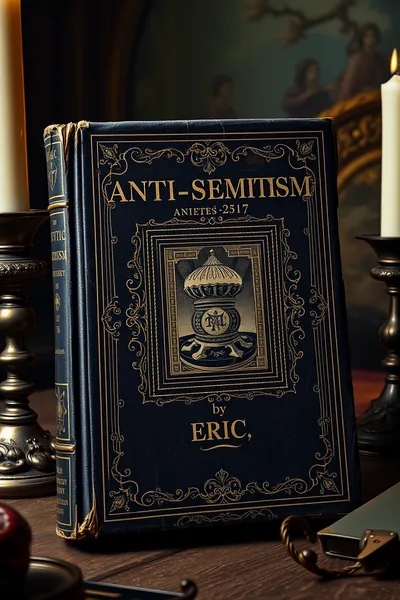
Żydowski mistycyzm a magia

 78
78

Żydowski mistycyzm a magia
Maureen Bloom's "Żydowski mistycyzm a magia" presents a scholarly dissection of a topic often shrouded in speculation. The book’s strength lies in its systematic approach, distinguishing between theological mysticism and practical magical applications within Jewish traditions. Bloom effectively grounds her analysis in primary sources, offering a clear-eyed view of practices that are frequently misunderstood. A notable limitation, however, is the somewhat dry presentation, which may deter readers seeking a more narrative or experiential account. The section detailing the use of divine names in early Kabbalistic texts, for instance, is meticulously researched but requires significant reader concentration. Despite this, the work provides essential context for understanding the historical trajectory of Jewish esoteric practices. It serves as a valuable, if demanding, resource for serious students of the subject.
📝 Description
78
Maureen Bloom's 2011 book examines the historical connection between Jewish mysticism and magic.
Published in 2011, Żydowski mistycyzm a magia (Jewish Mysticism and Magic) by Maureen Bloom examines the historical link between Jewish mystical traditions and magical practices. Bloom approaches the subject academically, but with an aim for accessibility. The book traces the development of esoteric Jewish thought, drawing on historical texts and concepts to show how these intertwined over time. It avoids presenting a single, unified view, instead offering a look at the diverse practices and beliefs that have characterized Jewish mysticism and its relationship with magic.
This work is aimed at scholars of religious studies, comparative mysticism, and the history of magic. It will also interest practitioners of Kabbalah or other Jewish esoteric disciplines who want a deeper historical and theoretical understanding of their traditions. Readers who value careful academic research, presented clearly and without sensationalism, will find it useful. The book is best suited for those who already have some background in religious or mystical concepts and wish to engage with this specialized area.
Maureen Bloom's study situates itself within the ongoing academic study of Jewish mysticism, a field significantly shaped by scholars like Gershom Scholem. This academic discourse often seeks to distinguish pure mystical experience from folk magic, while acknowledging their historical overlap. Bloom's work contributes to this conversation by synthesizing research on Jewish magical practices within their broader mystical framework. The early 21st century was a period of continued global interest in the history of esoteric traditions, making this an opportune time to explore such connections.
💡 Why Read This Book?
• Gain specific insights into the historical development of Kabbalistic magic, understanding its divergence from purely theological mysticism as explored in Bloom's analysis of early 21st-century scholarship. • Learn about the practical application of divine names and incantations within Jewish esoteric traditions, a core focus highlighted in the book's examination of historical texts. • Appreciate the nuanced distinction between theoretical Jewish mysticism and applied magical practices, a critical clarification provided by Bloom's academic research.
⭐ Reader Reviews
Honest opinions from readers who have explored this book.
❓ Frequently Asked Questions
What is the primary focus of "Żydowski mistycyzm a magia"?
The book primarily focuses on the historical and conceptual relationship between Jewish mystical traditions, such as Kabbalah, and various forms of magical practices that emerged within Jewish communities.
When was "Żydowski mistycyzm a magia" first published?
Maureen Bloom's work "Żydowski mistycyzm a magia" was first published in 2011.
Does the book discuss specific magical rituals?
Yes, the book explores specific historical magical practices, including the use of divine names, incantations, and the interpretation of texts for ritualistic purposes within Jewish esoteric traditions.
Is this book suitable for beginners in Kabbalah?
While accessible to those with some background, the book is more academic. Beginners might benefit from foundational texts before delving into Bloom's detailed historical analysis of Kabbalistic magic.
What academic fields does this book contribute to?
It significantly contributes to religious studies, the history of magic, comparative mysticism, and Jewish studies, offering a scholarly perspective on esoteric traditions.
Are there any discussions of the ethics of magic within the book?
The work touches upon the ethical considerations and communal implications surrounding the use of magic within historical Jewish communities, as presented in its analysis of past practices.
🔮 Key Themes & Symbolism
Practical Kabbalah
The book examines the historical manifestation of practical Kabbalah, distinguishing it from theoretical or contemplative Kabbalistic streams. It details how Kabbalistic concepts and texts were employed not just for spiritual elevation but for tangible effects, often involving the manipulation of divine names, amulets, or specific incantations. Bloom illustrates how adherents sought to interact with the divine and cosmic forces through these applied methods, bridging the gap between abstract theology and the field of magic.
Divine Names and Incantations
A significant portion of the work is dedicated to the role of divine names and incantations within Jewish magical traditions. Bloom analyzes how certain names of God, angelic beings, or sacred phrases were believed to possess inherent power, capable of influencing events, providing protection, or achieving specific outcomes. The book traces the transmission and application of these powerful linguistic tools from historical sources, highlighting their central function in Jewish magical practices.
Esoteric Textual Interpretation
Bloom discusses how Jewish esoteric traditions relied heavily on specialized interpretations of sacred texts like the Torah and Talmud. This involved not just allegorical or mystical readings, but also methods aimed at uncovering hidden magical potential within the letters and words themselves. The book explores how techniques such as gematria (numerical value of letters) and notarikon (acronyms) were used to derive magical knowledge and operational formulas from scripture.
Historical Boundaries of Magic
The work addresses the complex and often shifting boundaries between accepted religious practice and forbidden magic within Jewish history. Bloom outlines the historical debates, rabbinic rulings, and communal attitudes that shaped the perception and practice of magic. It highlights instances where magical elements were integrated into mainstream spirituality, while also acknowledging periods of prohibition and condemnation, providing a nuanced view of magic's place in Jewish life.
💬 Memorable Quotes
Direct passages from the work, attributed to the author.
“The distinction between theoretical Kabbalah and practical magic often blurred in historical Jewish communities.”
— This statement highlights a core argument of the book: that the separation often made in modern scholarship between mystical contemplation and magical action was not always clear-cut in historical practice. It suggests that practitioners often moved fluidly between these realms.
“Divine names were viewed as potent keys to unlocking cosmic forces.”
— This interpretation emphasizes the functional aspect of divine names in Jewish esoteric traditions. It suggests that these names were not merely devotional but were seen as active instruments for influencing the material and spiritual worlds.
“The historical reception of magical practices within Judaism varied significantly.”
— This conveys the idea that attitudes towards magic were not monolithic throughout Jewish history. The book likely explores the dynamic nature of acceptance, rejection, and adaptation of these practices by different communities and authorities.
“Ritualistic actions were integral to the expression of esoteric beliefs.”
— This suggests that for many within Jewish mystical traditions, belief was not passive but was actively expressed through prescribed actions and rituals. These actions were seen as essential for manifesting esoteric principles in the world.
💡 Key Ideas
Editorial paraphrase of the work's core concepts — not direct quotes.
Textual exegesis provided pathways for magical operations.
This paraphrase points to the method by which esoteric knowledge was extracted from sacred texts. It implies that specific interpretive techniques were employed to reveal practical, magical applications hidden within scripture.
🌙 Esoteric Significance
Tradition
This work situates itself within the study of Kabbalistic and broader Jewish esoteric traditions. It examines how these traditions, which focus on divine emanation, hidden meanings in scripture, and spiritual ascent, historically incorporated or interacted with practices commonly defined as magic. Bloom's research explores the practical outworkings of Kabbalistic cosmology, demonstrating how theoretical frameworks were translated into ritualistic actions and beliefs aimed at influencing the mundane world.
Symbolism
Key symbols explored include the divine names (e.g., Tetragrammaton, Adonai), understood not merely as appellations but as potent forces capable of invoking divine presence or power. Another significant motif is the use of amulets and talismans, often inscribed with sacred texts or symbols, serving as protective or empowering objects. The Hebrew alphabet itself functions symbolically, with letters possessing numerical values (gematria) and conceptual associations used in magical operations.
Modern Relevance
Contemporary practitioners of Kabbalah and students of Jewish mysticism continue to engage with the historical practices Bloom analyzes. While some may seek to revive or understand these ancient techniques, others find value in the historical perspective for contextualizing modern spiritual paths. Thinkers and groups interested in comparative esotericism, the history of ritual, and the intersection of religion and altered states of consciousness also draw upon such scholarly works to understand the enduring human impulse towards magical practice.
👥 Who Should Read This Book
• Academic researchers in religious studies and Jewish history seeking a scholarly overview of magic within historical Kabbalistic contexts. • Students of Kabbalah interested in understanding the historical development and practical applications of esoteric Jewish beliefs beyond purely theological studies. • Practitioners of Western esotericism looking to explore the specific lineage and historical manifestations of magic within a distinct cultural and religious framework.
📜 Historical Context
Maureen Bloom's "Żydowski mistycyzm a magia" emerged in 2011, a period marked by sustained academic interest in esoteric traditions, building upon the foundational work of scholars like Gershom Scholem, who extensively studied Kabbalah from the mid-20th century onwards. Bloom's research engages with the ongoing scholarly debate regarding the historical relationship between Jewish mysticism and magic, a field that often grappled with distinguishing authentic spiritual pursuits from folk or ceremonial magic. The early 21st century saw a proliferation of studies on Western esotericism, and Bloom's work contributes to understanding a crucial, often complex, component of this broader landscape. While Scholem's extensive scholarship provided a critical framework, later scholars like Moshe Idel offered alternative perspectives on Kabbalistic interpretation, influencing how the integration of magic might be viewed. The reception of works on Jewish magic often navigates sensitive theological and historical terrains, seeking to balance scholarly objectivity with respect for tradition.
📔 Journal Prompts
The historical use of divine names as keys to cosmic forces.
The integration of textual interpretation with magical operations.
Personal reflection on the perceived boundaries between mysticism and magic.
Examining the concept of practical Kabbalah in contemporary esoteric thought.
The role of symbolism in bridging the spiritual and material realms.
🗂️ Glossary
Kabbalah
A system of Jewish mysticism that explores the nature of God, the creation of the universe, and the relationship between the divine and the human, often through esoteric interpretations of the Torah.
Practical Kabbalah
A branch of Kabbalah focused on the application of mystical knowledge and techniques for practical purposes, such as healing, protection, or influencing events, often involving ritualistic actions.
Divine Names
Specific names or combinations of names attributed to God in Jewish tradition, believed to possess inherent power and used in mystical and magical practices.
Incantation
A series of words used as a magical spell or charm, often invoking divine or spiritual forces to achieve a desired outcome.
Gematria
A system of Jewish numerology where Hebrew letters are assigned numerical values, used to find hidden meanings or connections between words and concepts.
Amulet
An object, typically inscribed with magical texts or symbols, worn for protection against harm or to attract good fortune.
Esotericism
Belief systems and practices that focus on hidden knowledge, spiritual transformation, and direct experience of the divine, often distinct from mainstream religious dogma.
🔮 Readers Also Liked
Browse all →




More by Maureen Bloom
All books →


More Free Mysticism & Contemplation Books
View all →