Zuñi Fetiches: Second Annual Report of the Bureau of Ethnology to the Secretary of the Smithsonian Institution, 1880-1881, Government Printing Office, Washington, 1883, pages 3-45
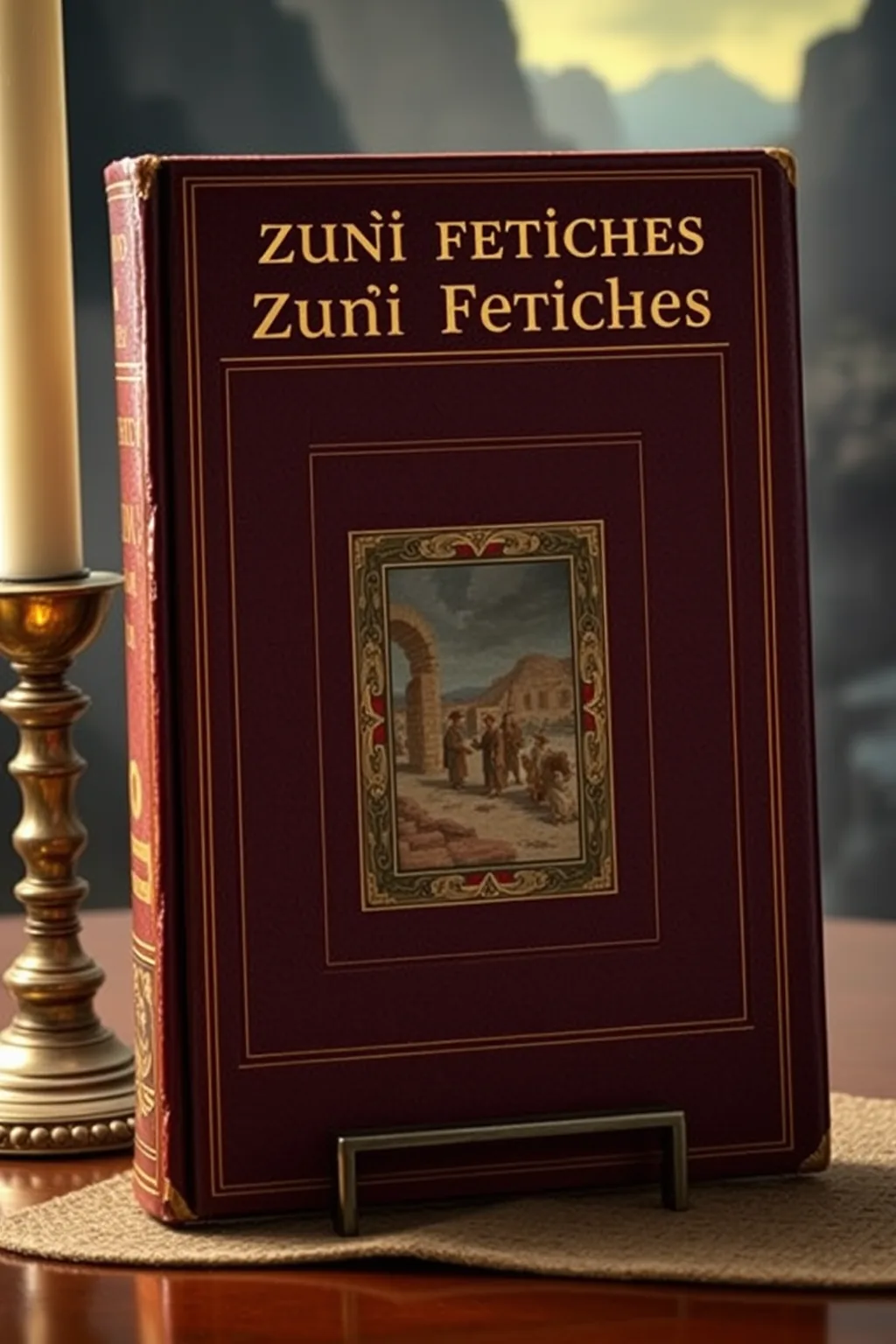
 69
69

Zuñi Fetiches: Second Annual Report of the Bureau of Ethnology to the Secretary of the Smithsonian Institution, 1880-1881, Government Printing Office, Washington, 1883, pages 3-45



Frank Hamilton Cushing's Zuñi Fetiches is a treasure trove of esoteric knowledge that remains relevant for modern seekers of the occult. Published in 1883, this work provides a detailed account of the ceremonial objects and rituals of the Zuni Indians, offering insights into a spiritual tradition that is both ancient and profound. Cushing's firsthand observations and meticulous documentation make this book an invaluable resource for understanding the symbolic and ritualistic practices of the Zuni. For contemporary readers interested in magic and ritual, Zuñi Fetiches offers a unique perspective on how these practices are intertwined with mythology and spirituality. The book's detailed descriptions and historical context make it a must-read for anyone looking to deepen their understanding of Native American esoteric traditions.
📝 Description
69
Frank Hamilton Cushing's 1883 report details Zuni fetishes and their ceremonial use.
This excerpt from the Bureau of Ethnology's second annual report, published in 1883, focuses on Frank Hamilton Cushing's fieldwork concerning Zuni fetishes. Cushing, who lived among the Zuni for several years, describes the forms, materials, and symbolic meanings of these sacred objects. He details how the fetishes were employed in Zuni ritual, particularly in hunting and healing practices. The text discusses the different types of fetishes, their association with specific clans or deities, and the prayers or songs that accompanied their use. Cushing's observations provide a direct account of Zuni spiritual life as understood by an early ethnographer.
Cushing's work on Zuni fetishes, while presented as ethnography, touches upon concepts that resonate with esoteric traditions. The focus on sacred objects imbued with spiritual power, their connection to prayers and ritual, and their role in mediating between the human and divine worlds aligns with practices found in various magical and shamanic systems. His detailed descriptions of the specific forms and their associated spiritual efficacy can be seen as a window into a worldview where material objects act as conduits for supernatural forces, a common theme in esoteric thought.
✍️ Author
Cushing, Frank Hamilton
Charles Harold St. John Hamilton (8 August 1876 – 24 December 1961) was an English writer, specialising in writing long-running series of stories for weekly magazines about recurrent casts of characters, his most frequent and famous genre being boys' public…
💡 Why Read This Book?
Reading Zuñi Fetiches today offers a unique opportunity to explore the esoteric practices of the Zuni Indians, providing insights into their rich cultural heritage and spiritual beliefs. This book is invaluable for anyone interested in the occult, Native American spirituality, or the symbolic significance of ceremonial objects. By delving into the rituals and mythology of the Zuni, readers can gain a deeper understanding of how these practices have shaped the spiritual landscape of indigenous cultures. This knowledge can enrich one's own spiritual journey and offer a new perspective on the power of ritual and symbolism in esoteric traditions.
⭐ Reader Reviews
Honest opinions from readers who have explored this book.
❓ Frequently Asked Questions
What is the significance of Zuñi Fetiches in the study of esoteric practices?
Zuñi Fetiches is significant because it provides detailed, firsthand observations of the ceremonial objects and rituals of the Zuni Indians, offering valuable insights into their esoteric practices and spiritual beliefs.
Who should read Zuñi Fetiches?
This book is ideal for anthropologists, historians, and anyone interested in Native American spirituality, the occult, and the symbolic significance of ceremonial objects.
What themes are explored in Zuñi Fetiches?
Key themes include the symbolic significance of ceremonial objects, the role of mythology in Zuni rituals, and the deep spiritual connection between the Zuni people and their environment.
🔮 Key Themes & Symbolism
Ceremonial Objects
Cushing's work delves deeply into the ceremonial objects used by the Zuni people, revealing their spiritual and symbolic significance. These fetishes are not mere artifacts but are imbued with the essence of the divine, serving as conduits for ritualistic practices.
Zuni Mythology
The book offers a comprehensive look into Zuni mythology, exploring the stories and beliefs that underpin the creation and use of fetishes. This mythology is rich with esoteric insights and hidden knowledge, providing a window into the Zuni's spiritual world.
Esoteric Rituals
Cushing documents various rituals involving fetishes, highlighting their role in connecting the physical and spiritual realms. These rituals are steeped in symbolism and are designed to invoke divine presence and guidance.
💬 Memorable Quotes
Direct passages from the work, attributed to the author.
“Each fetish tells a story of the Zuni people's connection to the natural world.”
— Cushing emphasizes the deep spiritual bond between the Zuni and their environment, reflected in their ceremonial objects.
“The Zuni fetish is a symbol of the unity between the physical and the spiritual.”
— Cushing's work reveals the esoteric belief in the interconnectedness of all things, as embodied in the fetishes.
💡 Key Ideas
Editorial paraphrase of the work's core concepts — not direct quotes.
The fetish is a sacred object, imbued with the spirit of the divine.
This quote underscores the spiritual significance of Zuni fetishes, highlighting their role as divine conduits.
Rituals involving fetishes are pathways to the sacred.
This passage illustrates the mystical journey undertaken through Zuni rituals, aiming to bridge the gap between the mundane and the divine.
Understanding the fetish is understanding the soul of the Zuni.
This quote emphasizes the deep spiritual and cultural significance of fetishes in Zuni life.
🌙 Esoteric Significance
Tradition
This book belongs to the tradition of ethnological mysticism, blending detailed cultural observations with esoteric insights. It provides a window into the spiritual practices of the Zuni people, revealing the hidden knowledge embedded in their rituals and ceremonial objects.
Symbolism
Key symbols in this work include the animal representations in fetishes, which embody spiritual qualities and serve as conduits for divine communication. These symbols are rich with esoteric meanings, reflecting the Zuni's deep connection to the natural and spiritual worlds.
Modern Relevance
Today, this book remains relevant for practitioners of the occult and spiritual seekers who wish to understand the esoteric dimensions of ancient rituals. Modern practitioners often draw upon Cushing's work to deepen their own spiritual practices and to gain insights into the symbolic significance of ceremonial objects.
👥 Who Should Read This Book
Beginners in the occult will find this book accessible and enlightening, offering a rich cultural context for understanding mystical practices. Scholars of anthropology and ethnology will appreciate the detailed observations and insights into Zuni culture. Spiritual seekers will benefit from the esoteric insights and philosophical significance of the fetishes. Practitioners of the occult will find this text useful for its detailed descriptions of rituals and ceremonial objects.
📜 Historical Context
Published in 1883, 'Zuni Fetiches' emerged during a time when ethnological studies were gaining prominence. Frank Hamilton Cushing's work was important in documenting the rituals and beliefs of the Zuni people, providing a detailed account of their ceremonial objects and their spiritual significance. This report was instrumental in preserving and understanding Zuni culture, influencing subsequent studies in anthropology and esoteric mysticism.
📔 Journal Prompts
How do the Zuni fetiches reflect the spiritual beliefs of their creators?
What symbols in the fetishes resonate with your own spiritual journey?
How might you incorporate elements of Zuni rituals into your own practices?
What can we learn from the Zuni's connection to the natural world?
How do the esoteric insights in this book influence your understanding of ancient cultures?
🗂️ Glossary
Fetish
A ceremonial object imbued with spiritual significance, often used in rituals to connect with the divine.
Zuni Mythology
The body of stories and beliefs that underpin the spiritual practices of the Zuni people, often reflected in their ceremonial objects and rituals.
Ethnology
The study of different cultures, including their beliefs, rituals, and customs, often with a focus on preserving and understanding ancient practices.
Ceremonial Objects
Objects used in rituals and ceremonies to invoke spiritual presence and guidance, often imbued with symbolic and esoteric meanings.
Esoteric Insights
Hidden knowledge and spiritual truths revealed through the study of ancient rituals and beliefs, often accessible only to those with a deep understanding of the subject.
This book appears in 1 collection
🔮 Readers Also Liked
Browse all →






From the “Folklore Magic” Collection
View all →






More Free Magic & Ritual Books
View all →