Yoga for Wimps
 77
77

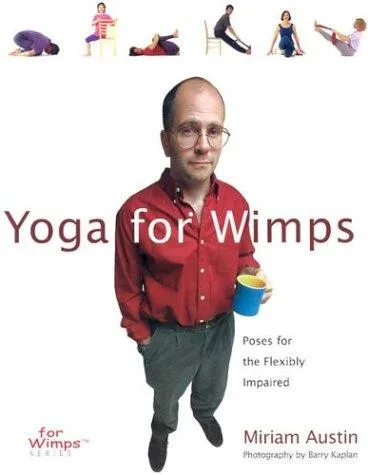
Yoga for Wimps
Miriam Austin’s "Yoga for Wimps" bravely tackles the perceived exclusivity of yoga culture. Published in 2000, it arrives as a welcome antidote to the burgeoning "yoga-as-fitness" trend, seeking to re-center the practice on its philosophical roots. Austin’s strength lies in her ability to distill Patanjali's complex Yoga Sutras into digestible principles, particularly her explanation of the *yamas* and *niyamas*. She avoids the pitfalls of many introductory texts by focusing on accessible ethical frameworks rather than demanding physical feats. However, the book occasionally leans too heavily on the "for wimps" framing, which, while intended to be inclusive, can sometimes feel patronizing. A passage detailing *ahimsa* as a gentle internal practice, rather than a grand external commitment, exemplifies Austin's accessible approach but could benefit from more nuanced exploration of its societal implications. Despite this minor critique, the work serves as a solid, unpretentious guide to the ethical and mental dimensions of yoga.
📝 Description
77
Miriam Austin's 2000 book, "Yoga for Wimps," demystifies Hatha Yoga.
Published in 2000, "Yoga for Wimps" by Miriam Austin offers a straightforward introduction to Hatha Yoga's core principles. The book goes beyond just physical poses, called asanas, to discuss the philosophical ideas behind this practice. Austin focuses on the mental and spiritual elements that are often absent in modern yoga classes centered on fitness. She wrote the book to make yoga less intimidating for people who might feel put off by more difficult or overtly spiritual aspects sometimes linked to it.
This text is for newcomers to yoga or for those who find common yoga classes too challenging or spiritually vague. The title's "wimp" refers not to weakness but to anyone seeking an easy, approachable way to start. Readers wanting a clear, practical guide to yoga's main ideas, without needing prior experience or extreme physical ability, will find value here. It serves the curious beginner who seeks understanding of yoga's purpose beyond mere flexibility.
Emerging in 2000 amidst yoga's widespread Western adoption, "Yoga for Wimps" addressed a trend towards purely physical practice. While figures like Swami Vivekananda introduced yoga to the West in the late 1800s, and Paramahansa Yogananda further disseminated it mid-20th century, the early 2000s saw a boom in studios and media emphasizing asana. Austin's book responded by reintroducing the philosophical and ethical foundations, referencing the "eight limbs of yoga" from Patanjali's Yoga Sutras, which predate the modern focus on physical postures.
💡 Why Read This Book?
• Gain a grounded understanding of yoga's ethical framework, specifically the *yamas* and *niyamas*, as presented in Chapter 3, offering a practical approach to daily conduct beyond mere physical exercise. • Discover the principles of *pranayama* and *dhyana* as explored in Chapter 4, enabling you to integrate breathwork and simple meditation techniques into your routine for mental calm. • Learn to appreciate yoga as a holistic system, as emphasized throughout the book, providing a counterpoint to purely physical fitness approaches and fostering a deeper connection with yourself.
⭐ Reader Reviews
Honest opinions from readers who have explored this book.
❓ Frequently Asked Questions
What philosophical texts does "Yoga for Wimps" reference?
The book primarily draws on Patanjali's Yoga Sutras, particularly the sections concerning the eight limbs of yoga, including the yamas and niyamas, which are explained in an accessible manner.
Is "Yoga for Wimps" suitable for advanced yogis?
While the book is designed for beginners, advanced practitioners might find value in its clear, concise restatement of foundational ethical and philosophical principles, serving as a reminder of yoga's broader scope.
What is the historical significance of this book's publication year, 2000?
Published in 2000, the book emerged during a period of rapid Western popularization of yoga, often focusing on physical aspects. Austin's work provided a philosophical counterbalance to this trend.
Does the book cover complex meditation techniques?
No, "Yoga for Wimps" focuses on introductory concepts of *dhyana* (meditation), presenting simple, accessible methods suitable for those new to the practice, rather than advanced yogic disciplines.
What does 'yoga for wimps' actually mean in the context of the book?
The title is intended to be inclusive, suggesting that yoga is accessible to everyone, regardless of perceived physical or mental fortitude, and aims to demystify it for those who feel intimidated.
How does the book explain the concept of 'ahimsa'?
Miriam Austin explains *ahimsa* (non-violence) not just as an absence of physical harm, but as a practice encompassing thoughts and intentions, making it applicable to everyday ethical considerations.
🔮 Key Themes & Symbolism
The Eight Limbs Simplified
Austin breaks down the classical structure of yoga, often presented in Patanjali's Yoga Sutras, into manageable sections. She prioritizes the ethical and mental disciplines—the *yamas* and *niyamas*—before exploring the more commonly known *asanas* (postures) and *pranayama* (breath control). This approach explains the holistic nature of yoga, presenting it not as an extreme physical challenge but as a practical philosophy for daily living, accessible to individuals who may feel overwhelmed by more intense interpretations.
Accessible Ethics in Practice
Central to the book is the concept of *ahimsa* (non-violence), presented not as a grand renunciation but as a gentle, everyday practice influencing thoughts and actions. The *niyamas*, such as *saucha* (purity) and *santosa* (contentment), are framed as tools for self-cultivation rather than rigid dogma. This focus on practical ethics offers readers tangible ways to integrate yogic principles into their lives, fostering personal growth without requiring adherence to strict asceticism.
Explaining Meditation and Breath
The book addresses *pranayama* (breath regulation) and *dhyana* (meditation) with a beginner-friendly approach. Austin explains how conscious breathing can influence one's state of mind and introduces simple meditation techniques that don't demand hours of stillness. This section is crucial for readers who associate yoga primarily with physical postures and are curious about its mental and spiritual dimensions but are intimidated by complex practices.
Yoga as Holistic Integration
Ultimately, "Yoga for Wimps" champions the integration of mind, body, and spirit. It posits that the physical postures are merely one facet of a much broader system designed for self-awareness and well-being. By emphasizing the interconnectedness of ethical conduct, mental discipline, and physical practice, Austin provides a balanced perspective that encourages a sustainable and meaningful engagement with yoga.
💬 Memorable Quotes
Direct passages from the work, attributed to the author.
“Yoga is not about contorting yourself into impossible shapes, but about finding ease and understanding within your own being.”
— This statement captures the book's core message: yoga's accessibility. It reframes the practice away from extreme physical feats, emphasizing internal awareness and acceptance as the primary goals, making it less intimidating for newcomers.
“The breath is your most constant companion; learning to guide it is learning to guide your mind.”
— This highlights the significance of *pranayama*. It suggests that mastering breath control is a fundamental step towards mental discipline and self-regulation, positioning it as a powerful yet simple tool for well-being.
“Contentment, or *santosa*, is not about liking everything, but about accepting what is without resistance.”
— This interpretation of *santosa* offers a practical perspective on achieving inner peace. It distinguishes acceptance from passive resignation, suggesting a mindful approach to managing expectations and finding satisfaction.
“The true practice of yoga unfolds not on the mat, but in the moments between poses and throughout your day.”
— This emphasizes the integration of yogic principles into daily life. It suggests that the real transformation occurs through applying ethical guidelines and mindfulness in ordinary situations, extending the practice beyond formal sessions.
💡 Key Ideas
Editorial paraphrase of the work's core concepts — not direct quotes.
Living ethically, or practicing *ahimsa*, begins with a single kind thought, not a grand gesture.
This paraphrased concept simplifies the complex yogic principle of non-violence. It makes *ahimsa* relatable and actionable for everyday life, focusing on internal states and minor positive interactions rather than outward displays.
🌙 Esoteric Significance
Tradition
While not strictly adhering to a single esoteric lineage, "Yoga for Wimps" draws heavily from the philosophical traditions of classical Yoga, particularly as codified by Patanjali. It aligns with the broader Hindu philosophical context that informed many Western esoteric movements from the late 19th century onwards, such as Theosophy and later New Age thought. Austin's work fits within the lineage of making yogic philosophy accessible, similar to early interpreters who sought to present Indian spiritual practices in a Western context.
Symbolism
The book engages with core yogic symbolism without necessarily exploring complex iconography. The concept of the 'eight limbs' itself acts as a symbolic map of the yogic path, representing a structured progression towards self-realization. Breath (*prana*) is presented as a fundamental life force and a symbol of connection between the physical and subtle bodies. The idea of 'ease in posture' (*sthira sukham asanam*) symbolizes the balance of effort and surrender central to the yogic journey.
Modern Relevance
In contemporary yoga, there's a growing emphasis on trauma-informed practices and mental well-being, areas where Austin's focus on gentle ethics and accessible meditation finds renewed relevance. Thinkers and practitioners advocating for inclusive, secular, or therapeutic approaches to yoga often echo Austin's sentiment that yoga's benefits extend far beyond physical flexibility. Her work continues to inform discussions about making yoga accessible to diverse populations, including those seeking mental health support.
👥 Who Should Read This Book
["• Beginners curious about yoga's philosophical underpinnings: Individuals who are intimidated by physically demanding classes or complex spiritual jargon will find Austin's clear, non-dogmatic approach important for understanding yoga's ethical and mental dimensions.", '• Fitness enthusiasts seeking deeper meaning: Those who currently practice yoga primarily for physical exercise can learn from this book how to integrate *pranayama*, *dhyana*, and ethical principles to enrich their practice and cultivate inner calm.', '• Comparative religion students: Scholars and students exploring diverse spiritual traditions will benefit from this accessible overview of classical Yoga philosophy, particularly its ethical frameworks like the *yamas* and *niyamas*.']
📜 Historical Context
Miriam Austin's "Yoga for Wimps," published in 2000, arrived during a central moment in yoga's Western trajectory. The late 20th century saw figures like B.K.S. Iyengar and Pattabhi Jois popularize rigorous Hatha Yoga, leading to a surge in physically demanding styles by the turn of the millennium. This era also witnessed yoga's increasing commodification, often presented as a fitness regimen divorced from its philosophical origins. Austin's work directly challenged this trend, aiming to reintroduce the ethical and contemplative dimensions derived from Patanjali's Yoga Sutras, a foundational text likely composed between 200 and 500 CE. While Transcendental Meditation had gained significant traction in the 1970s, yoga's popularization was more recent and diverse. Austin's accessible approach can be seen as a counter-movement to the extreme physicalization of yoga, seeking to reclaim its roots in self-discipline and mental clarity for a broader audience, avoiding the overt spiritualism that sometimes alienated potential practitioners.
📔 Journal Prompts
Reflect on the practice of *ahimsa* as it applies to your daily interactions.
Consider the relationship between conscious breathing (*pranayama*) and your emotional state.
How can the principle of *santosa* (contentment) be applied to a challenging situation?
Explore the accessibility of the eight limbs of yoga in your current lifestyle.
Identify one simple meditation technique (*dhyana*) from the book to practice this week.
🗂️ Glossary
Asana
A physical posture or pose in Hatha Yoga, intended to promote physical health and mental stillness. Austin presents asanas as one component of a larger yogic system.
Pranayama
The practice of breath control and regulation in yoga. It is believed to influence vital energy (*prana*) and is considered a key element for mental clarity and focus.
Dhyana
Meditation or contemplation. In yoga philosophy, it is a state of sustained, focused awareness, leading to deeper self-understanding and equanimity.
Yamas
The ethical restraints or moral disciplines in Patanjali's Yoga Sutras, forming the first limb of the eightfold path. Examples include non-violence (*ahimsa*) and truthfulness (*satya*).
Niyamas
The personal observances or disciplines in Patanjali's Yoga Sutras, forming the second limb. Examples include purity (*saucha*) and contentment (*santosa*).
Ahimsa
The principle of non-violence or non-harming in thought, word, and deed. It is the first and most fundamental of the *yamas*.
Santosa
Contentment or satisfaction. It is one of the *niyamas*, encouraging acceptance of one's circumstances without excessive craving or aversion.
🔮 Readers Also Liked
Browse all →









More Free Occult Philosophy Books
View all →