Yoga and Meditation
 82
82

Yoga and Meditation
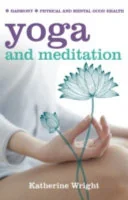
Katherine Wright’s Yoga and Meditation, published in 2001, presents a methodical overview of these ancient practices. Its strength lies in its clear, step-by-step approach, particularly in detailing various *asanas* and introductory meditation techniques. The exposition on Patanjali's Eight Limbs of Yoga offers a structured framework that is genuinely helpful for beginners. However, the work occasionally feels a bit too generalized, particularly when discussing the deeper philosophical nuances or the more subtle energetic aspects of *prana*. A passage discussing the importance of *dhyana* (meditation) as a precursor to *samadhi* (union) is well-articulated, but could benefit from more illustrative examples to truly convey the profound shift it represents. Ultimately, it serves as a competent, if somewhat conventional, primer.
📝 Description
82
Published in 2001, Yoga and Meditation by Geddes & Grosset and Katherine Wright introduces core principles and practices.
This volume from 2001 offers a guide to yoga and meditation, two disciplines often practiced together. It details the physical postures, known as asanas, and the mental focus required for meditation. The book explains the philosophies behind these practices and how to apply them.
It is written for anyone interested in starting yoga or meditation, regardless of previous experience. The text addresses those curious about the mental, physical, and spiritual advantages these practices can bring. Readers will find explanations of both the theory and the actual techniques for performing asanas and meditating. It also serves those who wish to deepen their current practice by understanding its historical and philosophical background.
Appearing in 2001, Yoga and Meditation reflects a growing Western interest in Eastern spiritual paths that gained momentum in the late 20th century. While figures like Swami Vivekananda brought yoga to the West much earlier, this period saw these practices integrate more fully into mainstream wellness and personal development. The book arrives during a time when alternative spiritualities were becoming more common in daily life, making accessible guidance on these ancient arts particularly relevant.
💡 Why Read This Book?
• Understand the foundational Eight Limbs of Yoga as codified by Patanjali, providing a structured path beyond mere physical postures. • Learn to practice specific meditation techniques, such as breath awareness (*pranayama* focus) and simple visualization, for cultivating mental stillness. • Gain insight into the concept of *prana*, the vital life force discussed in yogic philosophy, and how it is cultivated through breath and mindful movement.
⭐ Reader Reviews
Honest opinions from readers who have explored this book.
❓ Frequently Asked Questions
When was Yoga and Meditation by Katherine Wright first published?
The book 'Yoga and Meditation' by Katherine Wright, as published by Geddes & Grosset, Limited, was first released in 2001.
What is the main focus of Yoga and Meditation?
The book primarily focuses on introducing the principles and practical applications of both yoga, including its physical postures (*asanas*), and various meditation techniques for mental clarity.
Does Yoga and Meditation cover Patanjali's Yoga Sutras?
Yes, the work explores the concepts presented in Patanjali's Yoga Sutras, particularly the framework of the Eight Limbs of Yoga, offering a structured approach to practice.
Is this book suitable for absolute beginners?
Absolutely. The book is designed to be accessible for individuals with no prior experience in yoga or meditation, providing foundational knowledge and practical guidance.
What are some key concepts related to energy discussed in the book?
The book touches upon the concept of *prana*, the vital life force energy in yogic philosophy, and its connection to breath control (*pranayama*) and meditative practices.
What is the historical significance of yoga and meditation practices as presented?
The book contextualizes yoga and meditation within their historical and philosophical origins, highlighting their enduring relevance in spiritual and wellness practices since their introduction to the West.
🔮 Key Themes & Symbolism
The Eight Limbs of Yoga
This central theme unpacks Patanjali's systematic approach to yogic practice, extending far beyond the physical *asanas*. The book details *Yama* (ethical restraints), *Niyama* (observances), *Asana* (posture), *Pranayama* (breath control), *Pratyahara* (withdrawal of the senses), *Dharana* (concentration), *Dhyana* (meditation), and *Samadhi* (absorption). Understanding these limbs provides a holistic map for spiritual development, emphasizing that true yoga encompasses ethical living and mental discipline as much as physical poses.
Meditation Techniques
The work offers practical guidance on various methods of meditation, aiming to cultivate mental stillness and awareness. It covers foundational techniques such as focusing on the breath (a key aspect of *pranayama*), developing concentration (*dharana*), and exploring simple visualization exercises. The goal is to equip the reader with tools to quiet the incessant chatter of the mind, leading to greater clarity, equanimity, and a deeper connection to inner states of being.
Prana and Energetic Flow
A significant esoteric concept explored is *prana*, the vital life force or energy that animates all beings. The book links the cultivation and circulation of *prana* directly to yogic practices, especially *pranayama* (breath regulation) and the fluid movement through *asanas*. Understanding *prana* is presented as crucial for enhancing vitality, achieving mental focus, and supporting the deeper meditative states that lead towards spiritual insight.
Philosophical Underpinnings
Beyond the techniques, the book looks at the philosophical underpinnings of yoga and meditation, often referencing classical texts like the Yoga Sutras. It explores the ultimate aim of yoga – the cessation of mental fluctuations (*citta vritti nirodha*) and the attainment of self-realization or union. This provides a crucial context for the practices, framing them not merely as stress-relief tools but as profound paths towards understanding the nature of consciousness.
💬 Memorable Quotes
Direct passages from the work, attributed to the author.
“The Eight Limbs provide a comprehensive framework for spiritual advancement.”
— This highlights the structured, multi-faceted nature of yoga as presented by Patanjali, emphasizing that physical practice is only one component of a larger, holistic discipline.
“Breath control (*pranayama*) is essential for regulating life force (*prana*).”
— This core idea links the physical act of breathing to the subtler energetic body, suggesting that conscious control of breath is a direct method for influencing one's vital energy.
“Yoga aims for the cessation of mental fluctuations, leading to clarity.”
— This captures the ultimate goal of yogic philosophy, as described in the Yoga Sutras, presenting yoga as a path to profound mental peace and self-understanding.
“Simple breath awareness is a powerful starting point for meditation.”
— This emphasizes accessibility, suggesting that even the most basic meditative technique, focusing on the natural rhythm of breath, can be a potent tool for quieting the mind.
💡 Key Ideas
Editorial paraphrase of the work's core concepts — not direct quotes.
Meditation cultivates the ability to focus the mind, moving from distraction to stillness.
This paraphrased concept underscores the core purpose of meditation: to train the mind, gradually reducing its tendency towards scattered thoughts and developing a stable, concentrated awareness.
🌙 Esoteric Significance
Tradition
This work aligns with the broader Indic spiritual traditions, specifically drawing from the philosophical framework of Samkhya and Yoga, as systematized by Patanjali. It functions as an introductory text within the vast lineage of yogic sciences, which are considered esoteric due to their focus on inner transformation, subtle energies, and the direct experience of consciousness beyond ordinary perception.
Symbolism
Key symbols include the lotus flower, representing purity and spiritual awakening amidst worldly conditions, and the concept of *prana*, the subtle life force energy that flows through the body's energetic channels (*nadis*). The breath (*prana*) itself is a primary symbol of life and consciousness, and its mindful regulation (*pranayama*) is a central symbolic act in yogic and meditative practices.
Modern Relevance
Contemporary wellness movements, mindfulness-based stress reduction (MBSR) programs, and even certain therapeutic approaches to mental health often incorporate principles and techniques derived from the yogic and meditative traditions discussed in this book. Thinkers and practitioners in these fields continue to draw upon the foundational concepts of breathwork, concentration, and ethical conduct as presented in classical yogic texts.
👥 Who Should Read This Book
• Aspiring practitioners of yoga and meditation seeking a structured introduction to both physical postures and mental discipline. • Individuals interested in understanding the philosophical underpinnings of Eastern spiritual practices beyond superficial trends. • Those looking for practical techniques to cultivate mental clarity, focus, and a sense of inner peace through established methods.
📜 Historical Context
Published in 2001, 'Yoga and Meditation' by Katherine Wright entered a cultural landscape where Eastern spiritual and wellness practices had gained significant mainstream acceptance in the West. The late 20th century, particularly the 1960s and 70s, saw a wave of interest in yoga and meditation, influenced by figures like Maharishi Mahesh Yogi and the Beatles' exploration of Transcendental Meditation. By 2001, yoga studios were proliferating, and meditation was increasingly discussed in psychological and wellness circles, moving beyond its purely religious or esoteric origins. This book arrived when comparative religion and philosophy were also exploring the syncretic nature of spiritual beliefs. While other authors like Swami Sivananda Radha were also publishing accessible guides, Wright's work contributed to the growing body of literature making these complex practices understandable for a broad audience.
📔 Journal Prompts
Reflect on the concept of *prana* and its perceived presence during your breath.
How does the practice of *dharana* (concentration) differ from everyday attention?
Consider the ethical restraints (*Yama*) and observances (*Niyama*) in your daily life.
What is your immediate experience of stillness after a brief period of *Dhyana* (meditation)?
Explore the relationship between *Asana* (posture) and *Pranayama* (breath control) in your practice.
🗂️ Glossary
Asana
A physical posture or pose in yoga, traditionally intended to be steady and comfortable, serving as a preparation for deeper meditative practices.
Pranayama
The practice of breath control and regulation in yoga, aimed at controlling the vital life force, *prana*, to enhance physical and mental well-being.
Prana
The vital life force or energy that is believed to permeate all living beings and is manipulated through yogic practices like *pranayama*.
Dharana
The sixth limb of yoga, referring to the practice of concentration, where the mind is focused on a single point or object.
Dhyana
The seventh limb of yoga, representing meditation or contemplative absorption, a sustained state of concentration leading towards deeper awareness.
Samadhi
The eighth and final limb of yoga, signifying a state of profound meditative consciousness, absorption, or spiritual union with the object of meditation.
Citta Vritti Nirodha
A key phrase from Patanjali's Yoga Sutras, meaning 'the cessation of the fluctuations of the mind,' representing the ultimate goal of yoga.
This book appears in 1 collection
🔮 Readers Also Liked
Browse all →








From the “Raja Yoga” Collection
View all →



More Free Occult Philosophy Books
View all →