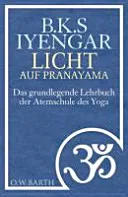
Licht auf Pranayama
 77
77

Licht auf Pranayama
Iyengar's Licht auf Pranayama offers a starkly anatomical and precise approach to yogic breathing, a welcome counterpoint to more generalized guides. The methodical breakdown of techniques, particularly the detailed instructions on diaphragmatic engagement and the phases of breath, reveals Iyengar's deep understanding of the physical body's role in breath control. A strength lies in its unwavering focus on alignment and the internal mechanics of each practice, as seen in the precise descriptions of *kumbhaka*. However, the book's intensity can be a limitation for beginners; the sheer detail requires significant prior experience and a dedicated study environment. Iyengar's characteristic emphasis on correctness, while invaluable, can sometimes overshadow the more spontaneous energetic experiences that pranayama can evoke. The verdict is clear: for the serious student seeking a definitive manual on pranayama's mechanics, this book is an indispensable, albeit demanding, resource.
📝 Description
77
B.K.S. Iyengar's 2012 book, Licht auf Pranayama, details his precise method for yogic breath control.
Licht auf Pranayama, published in 2012, presents B.K.S. Iyengar's systematic method for yogic breath control. This is not a basic overview, but a thorough explanation of pranayama techniques as taught in the Iyengar tradition. The book examines the mechanics of breathing, its physical effects, and its connection to the mind. It guides practitioners through increasingly complex breath exercises, stressing accuracy and attention.
This work is for serious yoga practitioners and teachers who understand asana and are ready to study the deeper aspects of yogic practice. It is especially useful for those in the Iyengar tradition or anyone wanting a structured, analytical way to understand pranayama. Students looking for a simple introduction to breathing exercises may find the detailed instruction and focus on proper execution demanding, yet ultimately beneficial.
Published in 2012, Licht auf Pranayama addresses pranayama within the broader interest in yoga's spiritual applications. B.K.S. Iyengar, a key figure in modern yoga, applied his analytical approach to breath control, a subject often less systematically covered in contemporary yoga literature. Iyengar's perspective on pranayama built on classical yogic texts but offered a distinct view informed by biomechanics and precise physical understanding. The book details concepts like Kumbhaka (breath retention) and emphasizes preparatory asana, a signature element of his teaching.
💡 Why Read This Book?
• Learn precise pranayama techniques directly from B.K.S. Iyengar's established method, focusing on the mechanics of *puraka*, *rechaka*, and *kumbhaka* as detailed in the book's instruction sets, offering a depth of understanding not found in general yoga texts. • Understand the crucial link between preparatory *asana* and safe, effective pranayama, a core principle emphasized throughout the book, providing a systematic foundation for integrating breathwork into your practice. • Gain a clear, analytical perspective on the energetic and physiological effects of controlled breathing, moving beyond anecdotal claims to a methodologically grounded exploration of *prana* and consciousness, as presented in the 2012 publication.
⭐ Reader Reviews
Honest opinions from readers who have explored this book.
❓ Frequently Asked Questions
What is the primary focus of Licht auf Pranayama by B.K.S. Iyengar?
The book's primary focus is a systematic and detailed exposition of pranayama, yogic breath control techniques, emphasizing precise execution, anatomical understanding, and the energetic and mental effects of controlled breathing.
Is Licht auf Pranayama suitable for absolute beginners to yoga?
While comprehensive, the book is best suited for practitioners with a solid foundation in yoga asana. Beginners might find the detailed instruction and emphasis on precision challenging without prior experience.
When was Licht auf Pranayama first published?
Licht auf Pranayama was first published in 2012, reflecting B.K.S. Iyengar's mature teachings on this crucial aspect of yoga.
What makes Iyengar's approach to pranayama unique?
Iyengar's approach is characterized by its analytical precision, emphasis on correct alignment and physiological engagement, and its integration with preparatory asana practice, offering a biomechanically informed understanding.
Does the book discuss the spiritual benefits of pranayama?
Yes, while grounding the practice in physical mechanics, the book explores the connection between breath control, prana, and the development of mental clarity and consciousness, touching upon its subtler, spiritual implications.
How does Licht auf Pranayama relate to Iyengar's other works?
It extends the same rigorous, detailed, and analytical methodology found in works like 'Light on Yoga' (1966) to the practice of pranayama, offering a systematic guide to breath control.
🔮 Key Themes & Symbolism
Precision in Breath Control
The work meticulously details the mechanics of inhalation (*puraka*), exhalation (*rechaka*), and retention (*kumbhaka*). Iyengar emphasizes an almost scientific approach, dissecting each phase of the breath cycle to ensure maximum benefit and minimal strain. This precision extends to the subtle internal movements and awareness required, moving beyond simple rhythmic breathing to a sophisticated engagement with the respiratory apparatus and its energetic correlates. The text guides practitioners to observe the quality and sensation of each breath, fostering a deep internal dialogue.
Pranayama and Asana Integration
A central tenet of Iyengar's teaching, the integration of pranayama with *asana* (postures) is thoroughly explored. The book underscores that a stable and flexible physical body, cultivated through *asana*, is essential for safe and effective pranayama. It details how specific postures prepare the body for deeper breathwork, ensuring that the diaphragm and respiratory muscles are optimally positioned and toned. This preparatory phase is presented not as an optional add-on but as a foundational requirement for unlocking pranayama's full potential.
The Energetics of Prana
Beyond the physical act of breathing, Licht auf Pranayama examines the concept of *prana*, or life force, and its manipulation through breath control. The book elucidates how conscious regulation of breath directly impacts the flow of *prana* throughout the body and mind. This exploration moves into the subtler realms, suggesting that mastery of pranayama leads to enhanced vitality, mental clarity, and a more profound connection to one's inner consciousness. The text provides a framework for understanding how breath serves as a primary vehicle for energetic cultivation.
Mind-Body Connection via Breath
The profound interconnectedness of the mind and breath is a recurring theme. Iyengar illustrates how patterns of breathing reflect mental states and how altering the breath can directly influence emotions and cognitive processes. Through systematic practice, the book aims to cultivate equanimity, focus, and a heightened sense of self-awareness. The disciplined practice of pranayama, as presented, is shown to be a powerful tool for calming the nervous system, reducing mental agitation, and fostering a stable, centered state of being.
💬 Memorable Quotes
Direct passages from the work, attributed to the author.
“The breath is the bridge between the body and the mind.”
— This statement highlights the book's core premise: that pranayama is not merely a physical exercise but a crucial link connecting our physical form and our mental consciousness. It suggests that by mastering the breath, one gains a direct avenue to influencing one's mental state and inner awareness.
“Correct breathing is the key to unlocking inner energy.”
— This emphasizes the transformative potential of pranayama when practiced with accuracy. It suggests that proper technique is paramount for accessing and directing the subtle life force (*prana*), leading to increased vitality and well-being.
“The diaphragm is the muscle of the soul.”
— An interpretation of a concept likely presented in the book, this phrase underscores the deep physiological and spiritual significance attributed to the diaphragm's movement in yogic breathing. It implies that conscious control of this primary breathing muscle has profound effects on our entire being.
“Pranayama requires discipline, intelligence, and patience.”
— This captures the demanding yet rewarding nature of the practice as presented by Iyengar. It suggests that a successful journey into pranayama involves not just physical effort but also mental acuity and perseverance.
💡 Key Ideas
Editorial paraphrase of the work's core concepts — not direct quotes.
Without a steady breath, the mind remains agitated.
This paraphrase conveys the book's view on the direct relationship between breath control and mental stability. It posits that a turbulent breath mirrors an unsettled mind, and conversely, a calm, controlled breath fosters mental peace and focus.
🌙 Esoteric Significance
Tradition
Within the broader lineage of classical Indian Yoga, Licht auf Pranayama represents a modern, highly systematized interpretation. While drawing directly from foundational texts and concepts like *prana*, *nadis*, and *chakras*, Iyengar's method emphasizes a precise, almost anatomical understanding of breath control. It departs from purely meditative or mystical approaches by grounding pranayama in observable physiological action and alignment principles. This makes it a bridge between traditional esoteric practices and a more empirically-minded contemporary audience seeking tangible results.
Symbolism
The primary symbol explored is the breath itself, representing *prana* (life force) and the vital link between the physical and subtle bodies. The concept of *kumbhaka* (retention) symbolizes the stillness and control one can achieve over internal energies, akin to mastering the pause between inhale and exhale. The systematic progression through different breathing techniques can be seen as a symbolic journey, moving from gross physical control to subtler energetic and mental regulation, mirroring the yogic path towards higher consciousness.
Modern Relevance
Iyengar's detailed approach to pranayama continues to influence contemporary yoga teachers and practitioners who value precision and a systematic understanding. Therapists and physiotherapists sometimes draw upon the book's insights into respiratory mechanics and nervous system regulation. In an era often characterized by rapid, superficial information, the book's emphasis on disciplined, mindful practice offers a counter-narrative, appealing to those seeking depth and substance in their personal development and wellness routines.
👥 Who Should Read This Book
["• Dedicated yoga practitioners seeking to deepen their understanding of breathwork beyond basic techniques, benefiting from Iyengar's precise anatomical and physiological explanations of *puraka*, *rechaka*, and *kumbhaka*.", '• Certified yoga teachers looking for a structured, authoritative resource to refine their pranayama instruction and ensure safe, effective teaching methodologies based on the Iyengar system.', '• Students of comparative spirituality and ancient practices interested in a modern, analytical breakdown of classical yogic breath control, appreciating the blend of esoteric knowledge and empirical detail.']
📜 Historical Context
B.K.S. Iyengar's Licht auf Pranayama, published in 2012, arrived at a time when yoga had become a global phenomenon, yet systematic instruction on pranayama often lagged behind *asana*. Iyengar, already revered for his 1966 important work *Light on Yoga*, applied his characteristic analytical rigor to breath control. His approach stood in contrast to more intuitive or purely spiritual interpretations of pranayama prevalent in some circles. While classical texts like the *Hatha Yoga Pradipika* (circa 15th century) had long described these techniques, Iyengar offered a biomechanically informed perspective, emphasizing precise physical engagement and preparatory *asana*. His meticulous method, developed over decades, provided a structured counterpoint to the burgeoning, often less rigorous, approaches to yoga instruction emerging worldwide. The book solidified his legacy as a systematizer of yogic practice, making advanced techniques accessible through detailed instruction.
📔 Journal Prompts
The mechanics of *puraka* and *rechaka*: observe the subtle diaphragm movements during each.
The role of *kumbhaka* in cultivating stillness: how does breath retention affect your mental state?
The connection between preparatory *asana* and pranayama readiness: identify a posture that enhances your breath.
The impact of breath on mental clarity: track changes in focus following a pranayama session.
The concept of *prana* flow: reflect on how breath regulation might influence your vital energy.
🗂️ Glossary
Pranayama
The yogic practice of controlling the breath, often involving specific techniques of inhalation, exhalation, and retention, aimed at regulating *prana* (life force).
Puraka
The inhalation phase in pranayama. It refers to the conscious and controlled drawing in of breath.
Rechaka
The exhalation phase in pranayama. It involves the controlled and complete expulsion of breath.
Kumbhaka
The retention of breath, either after inhalation (antara kumbhaka) or exhalation (bahya kumbhaka), a key element in many pranayama techniques.
Prana
The vital life force or energy that permeates all living beings. Pranayama is the practice of controlling and directing this energy.
Asana
Physical postures or poses in yoga, typically practiced to prepare the body for meditation and pranayama, and to promote physical health and flexibility.
Diaphragm
The large, dome-shaped muscle located at the base of the chest cavity that plays a primary role in breathing.