Delilah Von Steuben Sorceress
 73
73

Delilah Von Steuben Sorceress
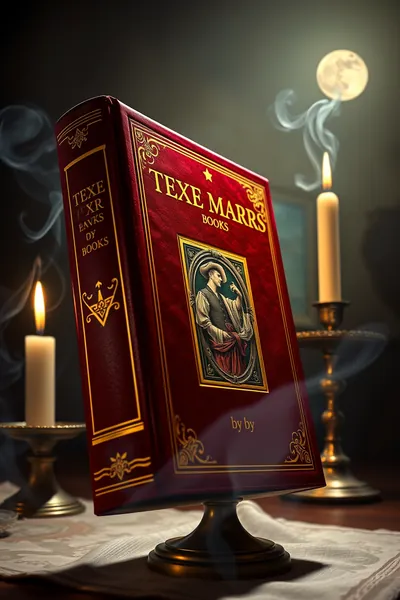
Bobby F. Brooks's *Delilah Von Steuben Sorceress* tackles the monumental task of reframing the ancient conflict between divine and infernal forces. The premise, that pre-temporal angelic secrets are now a battlefield commodity, is intriguing. Brooks introduces a compelling third party in Delilah Von Steuben and her sorcerers, effectively shifting the narrative focus from a simple good-versus-evil dichotomy to a more complex power struggle. This unique angle, positioning human or otherwise empowered sorcery as a force capable of eclipsing even Lucifer's legions, is the work's strongest asset. However, the execution occasionally falters; the narrative could benefit from deeper character development for Delilah and her counsel, moving beyond their role as strategic players to become more fully realized individuals. The depiction of the 'Heavenly Secrets' remains somewhat abstract, lacking the concrete magical system or philosophical grounding that might elevate the lore further. Despite these limitations, the book offers a fresh perspective on eternal conflict, presenting a vision where earthly practitioners of the arcane hold significant, perhaps decisive, power. It’s an imaginative, if somewhat underdeveloped, take on cosmic chess.
📝 Description
73
Bobby F. Brooks's 2017 novel reimagines the celestial war between Heaven and Hell.
Delilah Von Steuben Sorceress details a cosmic conflict where the ancient war between Heaven and Hell expands to the earthly plane. The narrative suggests that secrets once held by angels have been taken and turned into weapons against their original owners. This setup creates a complex struggle involving divine forces, demonic armies, and a distinct third group.
The book appeals to readers of allegorical fiction that touches on theological warfare and occult subjects. It is for those interested in alternative cosmologies that present powerful non-divine beings who challenge the established angelic orders. Readers looking for stories where potent magic and sorcery significantly influence cosmic battles will find this work engaging.
The story's central idea is a new take on the 'War of Heaven and Hell.' It specifically focuses on 'Heavenly Secrets' that fallen angels acquired and then used differently. The introduction of 'Delilah Von Steuben and her counsel of sorcerers' as a nearly neutral power provides a fresh view on common dualistic cosmologies. The story suggests a power structure that goes beyond the usual division between divine good and demonic evil.
Published in 2017, this novel enters a period of renewed interest in occult fiction and spiritual warfare across media. It connects to a long tradition of using supernatural conflict to examine good and evil, a theme seen in works from Milton's *Paradise Lost* to modern fantasy. Brooks's narrative, which pits a unique sorcerous council against both God and Lucifer, offers a specific viewpoint within this genre. The implication of powers beyond a simple divine versus demonic dichotomy resonates with esoteric traditions that question dualistic frameworks.
💡 Why Read This Book?
• Gain insight into a unique reinterpretation of celestial warfare, focusing on how 'Heavenly Secrets' become strategic assets, as explored in the narrative's depiction of the conflict. • Understand the concept of a powerful sorcerous faction, Delilah Von Steuben's counsel, operating independently of traditional divine and infernal powers, challenging established cosmic hierarchies. • Explore a narrative framework where earthly magical prowess is presented as a decisive factor in universal conflicts, offering a distinct perspective beyond typical angelic and demonic confrontations.
⭐ Reader Reviews
Honest opinions from readers who have explored this book.
❓ Frequently Asked Questions
What is the primary conflict in Delilah Von Steuben Sorceress?
The book centers on the ongoing war between Heaven and Hell, which extends to the earthly realm. A unique element is the introduction of Delilah Von Steuben and her sorcerers, who become a third, powerful faction influencing the outcome.
When was Delilah Von Steuben Sorceress first published?
Delilah Von Steuben Sorceress was first published on October 28, 2017, by Bobby F. Brooks.
What are 'Heavenly Secrets' in the context of the book?
'Heavenly Secrets' are arcane knowledge originally held by divine beings, which were later acquired by fallen angels. The narrative emphasizes that these secrets are now being used as weapons in the ongoing cosmic war.
Does the book focus on specific magical practices?
While it centers on sorcery and the use of 'Heavenly Secrets,' the book's focus is more on the grand narrative of cosmic warfare rather than detailed grimoires or specific ritualistic practices.
Who are the main opposing forces in the story?
The primary forces are Lucifer's legions of fallen angels, God's host of heavenly angels, and the distinct faction led by Delilah Von Steuben and her counsel of sorcerers.
What is the author's background in esoteric literature?
Information regarding Bobby F. Brooks's specific background in esoteric literature is not detailed in the provided blurb, but the work itself engages with themes common in esoteric and occult fiction.
🔮 Key Themes & Symbolism
Cosmic Warfare Redefined
The book re-envisions the eternal conflict between Heaven and Hell, not as a simple binary struggle, but as a complex battlefield where ancient knowledge, 'Heavenly Secrets,' becomes a critical weapon. It introduces a third power bloc, Delilah Von Steuben's sorcerers, who operate with their own agenda and potent magical capabilities, suggesting that the ultimate outcome might depend on forces beyond the traditional divine and infernal realms. This framework challenges established dualistic cosmologies.
The Power of Arcane Knowledge
Central to the narrative is the concept of 'Heavenly Secrets' – potent knowledge originally belonging to celestial beings, now wielded by fallen angels and, crucially, by Delilah Von Steuben's sorcerous counsel. This highlights the esoteric belief that knowledge itself is power, capable of influencing even cosmic-level events. The story suggests that mastery of hidden lore, particularly from powerful sources, can grant agency and influence over seemingly insurmountable forces.
Third Faction Agency
Unlike traditional narratives focusing solely on God versus Lucifer, this work introduces Delilah Von Steuben and her sorcerers as a significant independent force. Their existence and power imply a more nuanced understanding of the spiritual planes, where entities outside the established divine hierarchy can exert considerable influence. This theme explores the potential for human or other empowered beings to shape universal destinies through focused will and arcane practice.
Reinterpreting Good and Evil
By positioning Delilah Von Steuben's sorcerers as a force that has 'haven't got a chance' against Lucifer's legions, the book implies a hierarchy of power and perhaps a different moral calculus. It questions the absolute nature of good and evil as traditionally defined, suggesting that power, strategy, and potent magic can operate on different ethical axes, potentially even disrupting the expected divine order or infernal dominion.
💬 Memorable Quotes
Direct passages from the work, attributed to the author.
“Lucifer and his minions haven't got a chance.”
— This statement suggests the immense power and strategic advantage held by Delilah Von Steuben and her sorcerers, implying their capabilities far exceed even those of the most powerful fallen angels in the cosmic struggle.
“Many of the Heavenly Secrets given away by fallen Angels before the beginning of time are now being used to fight against them.”
— This highlights the theme of weaponized knowledge. Secrets originally intended for divine purposes, or perhaps as tools for rebellion, have become instruments of war, turning original intent against the possessors.
“The war between heaven and hell continues. And at the same time, the war on the earthly plane continues between good and evil.”
— This establishes the dual nature of the conflict: a celestial war that directly mirrors and impacts the moral and spiritual struggles faced by humanity on Earth, linking macrocosmic events to terrestrial concerns.
“Then there's Delilah Von Steuben and her counsel of sorcerers.”
— This introduces a central, independent force into the traditional Heaven-versus-Hell narrative, signaling a departure from standard theological conflicts and the emergence of a distinct, potentially decisive, magical faction.
“The war on the earthly plane continues between good and evil.”
— This emphasizes the ongoing, terrestrial manifestation of the cosmic struggle, suggesting that the balance between virtue and vice is a continuous battleground, reflecting the celestial conflict in human affairs.
🌙 Esoteric Significance
Tradition
This work engages with themes common in modern occult fiction, particularly those that draw from Gnostic and Hermetic ideas about hidden knowledge and rebellious spiritual entities. While not strictly adhering to a specific historical lineage like Golden Dawn or Thelema, it participates in the broader esoteric trope of powerful, independent practitioners of magic (sorcerers) who can contend with or manipulate forces beyond conventional human understanding, including celestial and infernal hierarchies.
Symbolism
The 'Heavenly Secrets' serve as a potent symbol for esoteric knowledge itself—power derived from understanding divine or cosmic principles, which can be both constructive and destructive. The existence of 'Delilah Von Steuben and her counsel of sorcerers' symbolizes the potential for human or terrestrial agency to intervene in cosmic affairs, challenging the established order and suggesting that ultimate power might not reside solely with the traditional divine or infernal rulers.
Modern Relevance
Contemporary practitioners of modern occultism and fantasy enthusiasts interested in alternative cosmologies often explore narratives that position human or unique magical factions as key players in universal conflicts. This work speaks to an interest in narratives where magic is not merely a tool but a fundamental force capable of challenging established divine or demonic powers, aligning with modern interpretations of spiritual power and agency found in various neo-pagan and occult circles.
👥 Who Should Read This Book
• Readers interested in theological fiction that reimagines classic biblical conflicts with a unique twist, particularly those fascinated by the idea of a powerful third faction. • Occult fiction enthusiasts seeking narratives where potent sorcery and arcane knowledge play a decisive role in grand-scale cosmic battles, challenging traditional good versus evil paradigms. • Fans of speculative fiction who enjoy exploring alternative cosmologies and the implications of hidden knowledge ('Heavenly Secrets') as a source of power and conflict.
📜 Historical Context
Bobby F. Brooks's *Delilah Von Steuben Sorceress*, published in 2017, arrived during a period of renewed interest in speculative fiction that blended theological concepts with occult themes. The early 21st century saw a proliferation of narratives exploring spiritual warfare, demonology, and angelic lore across literature and gaming, influenced by earlier works like the *Left Behind* series and contemporary fantasy authors. Brooks's unique contribution lies in inserting a powerful, non-angelic, non-demonic sorcerous faction into this established cosmic conflict. While direct engagement with specific contemporaries is not detailed, the work participates in a broader dialogue about the nature of divine power, free will, and the efficacy of magic, a conversation that has been ongoing since at least the Theosophical movement of the late 19th century and found echoes in authors like Aleister Crowley. The book's premise bypasses the typical human protagonist in favor of a more direct confrontation between established cosmic powers and a magically adept third party.
📔 Journal Prompts
The strategic implications of 'Heavenly Secrets' weaponized against their originators.
Delilah Von Steuben's counsel: exploring their origins and motivations beyond the primary conflict.
The concept of a third faction capable of challenging both Heaven and Hell.
Reflecting on the earthly manifestation of the war between good and evil.
Analyzing the narrative's assertion that Lucifer's legions 'haven't got a chance'.
🗂️ Glossary
Heavenly Secrets
Esoteric knowledge originally possessed by celestial beings, which was later acquired by fallen angels and is now used as a weapon in the cosmic war.
Fallen Angels
Angelic beings who rebelled against God and were cast out of Heaven. In this narrative, they possess and utilize 'Heavenly Secrets'.
Counsel of Sorcerers
A distinct group of magic-users, led by Delilah Von Steuben, who form a third power bloc in the cosmic conflict, independent of divine and infernal forces.
Cosmic Warfare
The overarching conflict between Heaven and Hell, encompassing celestial and infernal realms, which also extends its influence and battles to the earthly plane.
Earthly Plane
The physical world where the conflict between good and evil continues, mirroring the celestial war and influenced by its outcomes and participants.
Lucifer
The chief fallen angel, leader of the infernal legions, presented as a primary antagonist in the celestial war.
Delilah Von Steuben
The leader of a powerful sorcerous faction, presented as a significant, independent force capable of contending with divine and infernal powers.