Witch's circle

 78
78

Witch's circle
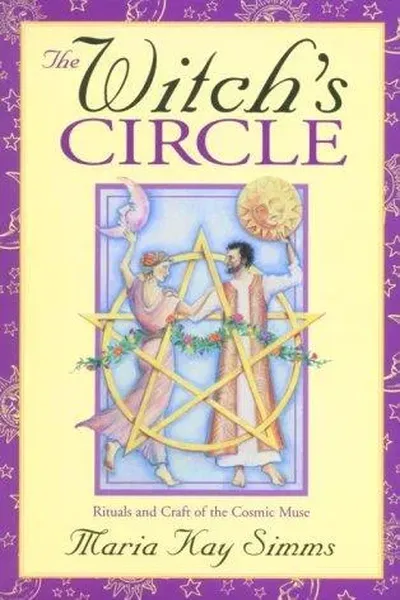
Maria Kay Simms's "Witch's Circle" presents a refreshingly direct approach to witchcraft theory, eschewing romanticism for a more didactic tone. The book's strength lies in its systematic breakdown of magical principles, particularly its detailed exposition on constructing and maintaining the sacred space of the circle itself. Simms's insistence on clarity regarding intent and energy manipulation offers a solid foundation for practitioners. However, the work occasionally feels overly prescriptive, leaving less room for the intuitive, emergent aspects that many find central to witchcraft. A passage discussing the precise ordering of participants within the circle, while pedagogically sound, might feel rigid to those accustomed to more fluid ritual dynamics. Despite this, "Witch's Circle" serves as an invaluable primer for those seeking structured knowledge.
📝 Description
78
Maria Kay Simms published "Witch's Circle" in 1996 to articulate a systematic theory of witchcraft.
Published in 1996, Maria Kay Simms's "Witch's Circle" presents a structured framework for understanding witchcraft, moving beyond anecdotal accounts to articulate core principles. The book details the theoretical underpinnings and practical applications of magical practice, aiming to clarify the philosophy that informs ritual and spell work. It is written for serious students of witchcraft and esoteric studies who seek a more systematic approach to their craft, especially those who want to ground their intuitive understanding in established concepts. The text is also suitable for instructors looking to structure their teaching.
Simms addresses key concepts such as the nature of magical energy, the importance of intention, and the practitioner's will. It discusses the dynamics of working within a coven and the individual's relationship to magical forces. The book's approach is theoretical, intended to provide a solid intellectual foundation for those engaged in magical practice.
Published in 1996, "Witch's Circle" appeared during a period of expansion for Neo-Pagan and Wiccan movements. Following earlier codifications by figures like Gerald Gardner, authors of this era, including Simms, worked to refine and articulate established traditions. This book engages with contemporary discussions that sought to define witchcraft more clearly, distinguishing itself through a focus on theoretical exposition rather than solely accessibility. It reflects a broader interest in systematizing magical practices that characterized the late 20th century.
💡 Why Read This Book?
• Gain a clear understanding of the theoretical framework behind ritual circle construction, a core practice detailed in the book's explanation of sacred space. • Learn Simms's specific methodology for directing magical energy and intention, concepts central to the 1996 publication's systematic approach to spellcraft. • Explore the structured dynamics of group ritual as presented in the text, offering insights into coven work that differ from more improvisational approaches.
⭐ Reader Reviews
Honest opinions from readers who have explored this book.
❓ Frequently Asked Questions
When was Maria Kay Simms's Witch's Circle first published?
Maria Kay Simms's "Witch's Circle" was first published in 1996, placing it within a significant period of Neo-Pagan literature development.
What is the primary focus of Witch's Circle?
The book focuses on the theoretical and practical underpinnings of witchcraft, particularly concerning ritual structure, energy manipulation, and the creation of a magical circle.
Is Witch's Circle suitable for absolute beginners?
While it provides foundational concepts, the book is best suited for those who have moved beyond introductory material and seek a more structured, theoretical understanding of witchcraft.
Does Witch's Circle discuss specific spells or rituals?
It explains the principles behind spells and rituals, focusing on the framework and energy dynamics rather than providing a catalog of specific incantations.
What is the significance of the 'witch's circle' as a concept in the book?
The "witch's circle" is presented as a fundamental construct for creating sacred space, essential for focused magical work and energy containment within the ritual context.
What distinguishes Simms's approach from other witchcraft books published around 1996?
Simms's approach is notably didactic and systematic, emphasizing theoretical clarity and structured practice, which may differ from more narrative or eclectic works emerging at that time.
🔮 Key Themes & Symbolism
Sacred Space and Ritual Structure
The concept of the witch's circle as a precisely defined and charged space is paramount. Simms details the construction of this boundary, not merely as a physical enclosure but as a metaphysical tool for focusing energy and establishing a sacred locus for ritual. The book emphasizes the importance of order, intent, and the sequential activation of elements within this defined perimeter to ensure the efficacy and safety of magical workings. This structured approach contrasts with more fluid interpretations of ritual space.
Will and Intention in Magic
Central to Simms's system is the practitioner's will and the clarity of their intention. The work posits that magic is not an arbitrary force but a directed energy shaped by focused consciousness. "Witch's Circle" elaborates on how to hone mental discipline, visualize desired outcomes, and imbue magical acts with potent intent. This theme underscores the personal responsibility and mental acuity required for effective witchcraft, positioning the practitioner as the primary agent of change.
Energy Dynamics and Flow
The book provides a framework for understanding magical energy as a tangible force that can be perceived, manipulated, and directed. Simms explains methods for drawing, grounding, and channeling this energy, often correlating it with natural forces, planetary influences, and elemental correspondences. The precise management of energy flow within the ritual circle is presented as crucial for spell success, affecting everything from the initial invocation to the final release of power. This systematic view aims to clarify arcane energies.
The Practitioner's Role and Ethics
"Witch's Circle" implicitly and explicitly addresses the ethical considerations and personal development inherent in practicing witchcraft. It highlights the importance of self-awareness, control, and understanding the consequences of one's magical actions. The text frames the practitioner not just as a manipulator of forces but as a responsible custodian of esoteric knowledge and power, emphasizing inner discipline as a prerequisite for external magical achievement. This focus on the internal landscape is key to its pedagogical approach.
💬 Memorable Quotes
Direct passages from the work, attributed to the author.
“The circle is not merely a boundary; it is a crucible.”
— This statement captures the book's view of the witch's circle as a dynamic, transformative space where energies are not just contained but actively shaped and transmuted through ritual.
“Clarity of will is the sharpest magical tool.”
— This highlights the emphasis on focused intention and mental discipline as the primary drivers of magical efficacy, suggesting that conscious direction is more potent than raw power.
“The order within the circle reflects the order sought without.”
— This interpretation suggests a connection between the internal structure of a ritual and its intended external manifestation, emphasizing the symbolic resonance of ritual arrangement.
💡 Key Ideas
Editorial paraphrase of the work's core concepts — not direct quotes.
Energy is drawn from the world, refined within, and released with purpose.
This paraphrased concept illustrates the book's model of magical energy manipulation: acquisition, internal processing and focusing, and directed application.
Each element must be invoked and acknowledged for the whole to cohere.
This paraphrased idea underscores the importance of systematic ritual progression, where each component (like elemental calls) plays a vital role in the integrity of the entire magical working.
🌙 Esoteric Significance
Tradition
The work primarily aligns with the Western Esoteric Tradition, specifically drawing from Wiccan and Neo-Pagan frameworks that gained prominence in the latter half of the 20th century. It departs from purely animistic or shamanic traditions by emphasizing a structured, ritualistic approach influenced by Hermetic principles of correspondence and focused will. While not strictly Kabbalistic or Gnostic, it incorporates elements of elemental and planetary symbolism common within these broader esoteric currents, offering a synthesized view for modern practitioners.
Symbolism
Key symbols include the "circle" itself, representing a sacred, contained space for magical work and a microcosm of the universe. Elemental symbols (Earth, Air, Fire, Water) are crucial, representing fundamental forces that are invoked and balanced within the ritual structure. The practitioner's tools, often mentioned implicitly or explicitly, also carry symbolic weight, acting as extensions of will and focus within the established energetic matrix of the circle.
Modern Relevance
Contemporary practitioners engaged in structured ritual magic, particularly within Wiccan-inspired paths, continue to find value in Simms's methodical approach. Her emphasis on clear intention and the dynamics of sacred space appeals to modern witchcraft educators and authors who seek to provide a solid theoretical foundation. Thinkers and groups focused on ritual efficacy, energy work, and the development of personal magical discipline often reference or build upon the principles articulated in "Witch's Circle."
👥 Who Should Read This Book
• Serious students of witchcraft seeking to understand the underlying theory of ritual construction and energy management. • Practitioners who appreciate a systematic and didactic approach to magical practice, looking to solidify foundational knowledge. • Esoteric scholars interested in the development of Neo-Pagan literature and structured approaches to witchcraft in the late 20th century.
📜 Historical Context
Published in 1996, Maria Kay Simms's "Witch's Circle" arrived as the Neo-Pagan landscape was rapidly expanding and diversifying. Following the earlier foundational works of figures like Gerald Gardner in the mid-20th century, this period saw a surge in literature aimed at codifying and articulating witchcraft traditions for a growing audience. Simms's work can be seen as part of a broader trend to systematize esoteric knowledge, standing in contrast to the more eclectic or experiential approaches favored by some contemporaries like Scott Cunningham, who published extensively around the same time. The increased public visibility of witchcraft and Wicca, partly fueled by authors like Margot Adler, created both an appetite for such structured texts and, at times, controversy. "Witch's Circle" sought to provide a clear, almost pedagogical, framework for understanding the mechanics and philosophy of witchcraft, contributing to the ongoing discourse on what constituted authentic magical practice in the late 20th century.
📔 Journal Prompts
The construction of the sacred space: Describe the elements you would include in your own witch's circle.
Honing your will: Reflect on a time your focused intention shifted an outcome.
Elemental balance: How do the four elements manifest in your daily life?
The energy dynamics: Detail your process for drawing and grounding magical energy.
Purposeful release: Consider the intended outcome of a recent personal goal.
🗂️ Glossary
Witch's Circle
A consecrated space, typically circular, established through ritual to contain and direct magical energies during spellcasting or other esoteric workings.
Intention
The focused mental and emotional direction of will towards a specific outcome, considered the primary driving force in magical operations.
Energy Manipulation
The practice of perceiving, drawing, channeling, and directing subtle energies for magical purposes, often correlated with natural forces or psychic power.
Elemental Correspondences
The symbolic association of specific elements (Earth, Air, Fire, Water, and sometimes Spirit) with qualities, directions, times, and tools used in ritual.
Sacred Space
A defined area ritually set apart from the mundane world, imbued with spiritual significance and charged for focused magical or religious activity.
Will
The faculty of conscious choice and determination, particularly as applied to directing magical energies and achieving desired results in esoteric practice.
Ritual Structure
The pre-determined sequence of actions, invocations, and energetic work performed within a ritual, designed for efficacy and symbolic meaning.
🔮 Readers Also Liked
Browse all →






More by Maria Kay Simms
All books →

More Free Magic & Ritual Books
View all →